Formulating a Sleeping Mask Base with Specific Gel Texture
Question
How can I formulate a sleeping mask base (without active ingredients) that has a cloudy gel texture, is moisturizing, provides good skin coating without being greasy, and feels comfortable, similar to a product with the provided ingredient list?
Answer
Based on the ingredient list you provided and your description of the desired texture for a sleeping mask base (cloudy gel, moisturizing, good skin coating but not greasy, and comfortable), the key components for achieving this feel are a combination of gelling agents, silicones, emollients, and emulsifiers.
To create a similar base formulation without the active ingredients, you would focus on the following types of ingredients:
- Gelling Agents: These provide the gel structure and viscosity. The original formula uses
AMMONIUM ACRYLOYLDIMETHYTAURATE/VP COPOLYMERandCarbomer. You could use products like Aristoflex AVC (Ammonium Acryloyldimethyltaurate/VP Copolymer) and a Carbomer such as Carbomer 980 or Carbomer Ultrez 30. Aristoflex AVC helps create a pleasant, non-sticky gel texture and can also help emulsify oils, contributing to the cloudy appearance. Carbomers are effective water gelling agents. - Silicones: These are crucial for the smooth, non-greasy feel and the coating effect. The list includes
Cyclopentasiloxane,Cyclohexasiloxane,Dimethicone,Dimethiconol, andDimethicone/VINYL Dimethicone Crosspolymer. A combination of Cyclopentasiloxane (a lightweight, volatile silicone) and Dimethicone (available in various viscosities) will provide slip and a smooth feel. A silicone elastomer or gel like Silicone Gel 9040 (Cyclopentasiloxane and Dimethicone Crosspolymer) is particularly important for creating that unique cushiony, non-greasy, coating texture and contributing to the cloudy appearance. Dimethiconol can add to the conditioning feel. - Emollients: Ingredients like
Caprylic/capric triglycerideandCetyl Ethylhexanoatesoften the skin and contribute to the comfortable feel. Caprylic/Capric Triglyceride is a light, non-greasy oil. Cetyl Ethylhexanoate Gel can provide a smooth, oil-gel texture. - Emulsifiers/Solubilizers:
Polysorbate 20andPolysorbate 80help disperse the oil and silicone components within the water phase. This emulsification is likely what creates the cloudy appearance of the gel. You can use Polysorbate 20 and Polysorbate 80. Hydrogenated Lecithin can also act as an emulsifier and contribute to the texture. - Humectants: While you want a base without actives, humectants like Glycerin, Butylene Glycol, Propanediol, 1,2-Hexanediol, and Trehalose are fundamental to the moisturizing feel of the base itself. You would include these common humectants.
- pH Adjusters and Stabilizers: Ingredients like Tromethamine (often used with Carbomer) and Disodium EDTA are standard in formulations for stability and pH control.
- Preservative System: A suitable preservative system is necessary for product safety.
By combining water with humectants, gelling agents (like Aristoflex AVC and Carbomer), a blend of silicones (including Cyclopentasiloxane, Dimethicone, and a silicone gel/elastomer like Silicone Gel 9040), emollients (such as Caprylic/Capric Triglyceride and Cetyl Ethylhexanoate Gel), and emulsifiers (like Polysorbate 20, Polysorbate 80, and Hydrogenated Lecithin), you can create a base formulation with a similar cloudy, moisturizing, non-greasy, and comfortable gel texture. The specific ratios and mixing methods will need to be adjusted through experimentation to achieve the exact desired feel.
Related Products Mentioned
Polysorbate 20 (Tween 20)
Polysorbate 80 (Tween 80)
Dimethicone (Light/50, Low-Odor)
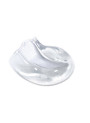
Aristoflex AVC
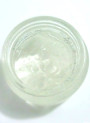
Cetyl Ethylhexanoate Gel (Thixotropic)