Formulating a Stable Vitamin C E Ferulic Serum
Question
I am interested in formulating a stable Vitamin C and E serum, specifically one that includes Ferulic Acid, similar to the topic discussed in the forum thread "Vitamin C E Ferulic".
Could you provide guidance on the key ingredients and formulation considerations needed to create such a serum? I am particularly interested in:
- Understanding the different forms of Vitamin C available (e.g.,
L-Ascorbic Acid,Perfect-C™ (Ascorbyl Tetraisopalmitate),Sodium Ascorbyl Phosphate,Magnesium Ascorbyl Phosphate,Ascorbyl Glucoside 20% Gel (MaxActivate™)) and their properties, such as stability, solubility (water or oil), optimal pH ranges, and typical usage rates. - The role of
Vitamin E (Tocopheryl Acetate)andFerulic Acid (Pure-Ferulic Acid™, Micromul™ Ferulic Acid)as antioxidants and stabilizers, their solubility, and typical usage rates. - Key formulation challenges, especially regarding the instability of
L-Ascorbic Acid. - Important factors for achieving stability, such as pH requirements (mentioning the FDA guideline for cosmetic pH >= 3.5), packaging (airless, opaque containers), and the use of stabilizers and chelating agents like
Disodium EDTA. - Suggestions for easier alternatives if working with
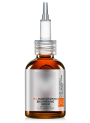
L-Ascorbic Acidis too challenging, such as using stable Vitamin C derivatives or ready-made bases/products likeVitamin C E Ferulicor16% Vitamin C Brightening Serum (Compare To Vichy Liftactiv).
While I understand a precise, step-by-step recipe with exact percentages for all components may not be possible without specific expertise and testing, any detailed information on the ingredients and formulation principles would be greatly appreciated.
Answer
Creating a Vitamin C and E Serum for Face
Creating a stable and effective Vitamin C and E serum, often combined with Ferulic Acid, involves selecting the right ingredients and understanding their properties. While I can provide information on the key components and their typical usage, providing a precise, step-by-step formulation with exact percentages for all ingredients (including base, thickeners, preservatives, etc.) is complex and requires specific formulation expertise and testing for stability and efficacy.
Here are the key ingredients commonly used and available:
Key Ingredients
Vitamin C: This is the primary active. There are several forms available, each with different properties:
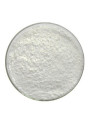
- L-Ascorbic Acid (e.g., Vitamin C (L-ascorbic acid) (Fine)): This is a potent form but is highly unstable in water and prone to oxidation. It requires a low pH (typically 2.0-4.0, though FDA requires cosmetic pH >= 3.5) and often needs stabilizers like Ferulic Acid and Vitamin E, plus a chelating agent like Disodium EDTA. Usage rate is typically 3-15%.
- Stable Derivatives (e.g., Perfect-C™ (Ascorbyl Tetraisopalmitate), Sodium Ascorbyl Phosphate, Magnesium Ascorbyl Phosphate, Ascorbyl Glucoside 20% Gel (MaxActivate™)): These forms are generally more stable and easier to work with than L-Ascorbic Acid. Their solubility (water or oil) and optimal pH ranges vary. Usage rates differ depending on the specific derivative (e.g., Perfect-C™ 1-10%, Sodium Ascorbyl Phosphate/Magnesium Ascorbyl Phosphate 0.5-10%).
Vitamin E (e.g., Vitamin E (Tocopheryl Acetate)): A powerful antioxidant that works synergistically with Vitamin C and helps stabilize L-Ascorbic Acid. It is typically oil-soluble. Usage rate is usually 0.1-1%.
Ferulic Acid (e.g., Pure-Ferulic Acid™, Micromul™ Ferulic Acid): Another antioxidant that significantly enhances the stability and effectiveness of Vitamin C and E. It is not soluble in water and requires solvents like Ethoxydiglycol or ethanol. Usage rate is typically 0.5-1%.
Formulation Considerations
Creating a stable serum, especially one containing L-Ascorbic Acid, is challenging due to its instability. Factors like pH, packaging (airless, opaque containers are best), and the inclusion of stabilizing agents are critical.
If you are new to cosmetic formulation, working with stable Vitamin C derivatives like Perfect-C™ (Ascorbyl Tetraisopalmitate), Sodium Ascorbyl Phosphate, or Magnesium Ascorbyl Phosphate might be easier. Alternatively, a ready-made base like Vitamin C E Ferulic or a complete product like 16% Vitamin C Brightening Serum (Compare To Vichy Liftactiv) could be considered.
While I can list the ingredients and their general properties and usage rates, providing a precise recipe with exact percentages for a complete, stable serum formulation is not possible without specific formulation expertise and testing.
For more detailed discussions and shared experiences on formulating Vitamin C E Ferulic serums, you may find the forum thread on this topic helpful.
Related Products Mentioned
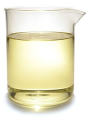
Vitamin E (Tocopheryl Acetate)
Vitamin C E Ferulic
Pure-Ferulic Acid™
Vitamin C (L-ascorbic acid) (Fine)
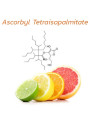
Magnesium Ascorbyl Phosphate