Formulating a Suspending Gel Face Wash with Polymeric Beads
Question
I am trying to formulate a suspending gel-type papaya face wash with polymeric beads. Please let me know if the following formulation is correct for both lab-scale and mass production:
Formulation:
- Distilled water: 55.7
- Glycerine: 3
- EDTA: 0.2
- Xanthan gum: 0.1
- Propylene glycol: 2
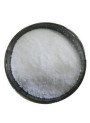
- Salicylic acid: 0.5
- SLES (28%): 22
- CAPB: 6
- Decyl glucoside: 2
- Sodium lauroyl sarcosinate: 2
- CDEA: 1
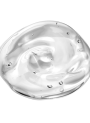
- Carbomer 940: 0.5
- Papaya enzymes: 1
- Aloe Vera extract: 1
- Allantoin: 0.5
- Sodium PCA: 0.2
- Iscaguard PEG: 0.8
- Polymeric beads: 1
Process Details:
- Neutralizing Agent: Triethanolamine (TEA)
- Target pH: 5.5–6.0
- Order of Addition:
- Mix water and EDTA.
- Add
Xanthan gum+Glycerineslurry to the water. - Add
Carbomer 940and mix until dissolved. - Neutralize with TEA.
- Add all surfactants.
- Add
Salicylic acidpre-dissolved inPropylene glycol. - Add the remaining active ingredients.
Answer
Formulation Review & Recommendations
Your papaya face wash formulation contains a good balance of surfactants and actives. However, for a suspending gel (to keep beads from sinking or floating), there are critical adjustments needed regarding the choice of thickener and the order of addition.
1. Suspending Agent Choice
While Carbomer 940 is an excellent thickener for clear gels, it is highly sensitive to surfactants and electrolytes. In a formula with 22% SLES and other surfactants, Carbomer 940 often "crashes" or loses its ability to suspend particles.
- Recommendation: Replace Carbomer 940 with ThickClean™ (Acrylates Copolymer). This ingredient is specifically designed for surfactant systems. It provides high yield value (suspension power) even in the presence of high surfactant loads and maintains clarity.
2. Salicylic Acid Solubility
Salicylic Acid (0.5%) is difficult to dissolve in water. While 2% Propylene Glycol is a good start, you may find it easier to use a water-soluble version or ensure it is fully dissolved in the glycol before adding it to the main batch. At your target pH of 5.5–6.0, the Salicylic Acid will be stable and effective for mild exfoliation.
3. Revised Order of Addition (Mass Production Scale)
The order of addition is vital for the stability of the suspension:
- Water Phase: Combine Distilled Water and EDTA.
- Thickener: Add ThickClean™ to the water and mix thoroughly.
- Surfactants: Add SLES, Decyl Glucoside, Cond-Foam™ (Sodium Lauroyl Sarcosinate), and CAPB one by one with gentle stirring to avoid excessive aeration.
- Neutralization: Add Triethanolamine (TEA) slowly until the pH reaches approximately 6.0. You will notice the formula thicken and become clear at this stage. This "back-acid" or neutralization step is what creates the suspension network.
- Actives: Add Papaya Enzyme (Papain), Aloe Vera, Allantoin, and Sodium PCA.
- Salicylic Acid: Pre-dissolve Salicylic Acid in Propylene Glycol and add to the mixture.
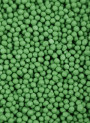
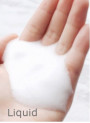
- Final Step: Add your Vitamin E Beads (as a replacement for polymeric beads) and stir gently until evenly distributed.
4. Preservative
Ensure your preservative system is compatible with a pH of 5.5–6.0. A broad-spectrum preservative should be added according to the manufacturer's recommended temperature (usually below 40°C).
Recommended Ingredients
- Thickener: ThickClean™ (Acrylates Copolymer) for superior bead suspension in cleansers.
- Surfactant: Cond-Foam™ (Sodium Lauroyl Sarcosinate) for a creamy, gentle foam.
- Active: Papaya Enzyme (Papain) for natural enzymatic exfoliation.
- Exfoliant: Salicylic Acid (BHA) for deep pore cleansing.
- Visuals: Vitamin E Beads to provide the desired aesthetic and functional effect.
This revised approach will ensure the beads remain suspended throughout the shelf life of the product, both in lab samples and mass production.
Related Products Mentioned

Allantoin
Triethanolamine 99%
Salicylic Acid (BHA, Pharma Grade)
Carbomer 940 (EasyDisperse™, France)
Green Vitamin E Beads 0.5-1mm (Dry)

Papaya Enzyme (Papain)
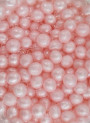
Pearl Pink Vitamin E Beads 4mm (Wet)