Formulating a Translucent Gel-Serum with Oil: Texture and Ingredient Questions
Question
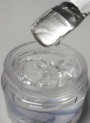
I have the ingredient list for Clinique Moisture Surge. The texture is a translucent, peachy-colored gel that is thick, stable, soft, smooth, and absorbs instantly. My formula contains 8% oil and I recently tried using Silky Serum Base Plus, but it didn't result in a clear texture.
Here are my questions:
- Which Emulsifier(s) in the Clinique Moisture Surge formula provide a clear texture, and what is the approximate usage percentage?
- Besides Cyclomethicone, which is recommended for use with Silky Serum Base Plus, can I use Trisiloxane or Dimethicone 1 sec in Silky Serum Base Plus?
- I've tried using various silicones in my formula, which give a soft, smooth skin feel. However, I still feel a sticky residue and the skin looks shiny after application due to the cream texture. Can I use Silicone Gel in Silky Serum Base Plus to reduce tackiness and achieve a matte look? Or do you recommend other ingredients?
Thank you for your advice.
Answer
Formulation Advice for a Clear Gel with 8% Oil
Based on the ingredient list of Clinique Moisture Surge and the properties of various cosmetic ingredients, here are answers to your questions:
1. Emulsifier(s) for Clear Texture in Clinique Moisture Surge
The clear or translucent gel texture of Clinique Moisture Surge is likely achieved through a combination of specific gelling agents and potentially co-emulsifiers or stabilizers that can effectively incorporate the oil phase while maintaining clarity. Key ingredients in the Clinique list that contribute to this texture include:
- Ammonium Acryloyldimethyltaurate/VP Copolymer
- Acrylates/C10-30 Alkyl Acrylate Crosspolymer
- Glyceryl Polymethacrylate
- Oleth-10
Achieving a truly clear gel with 8% oil can be challenging and often results in a translucent system. Certain polymer thickeners are designed to handle a percentage of oil while maintaining clarity or translucency.
Based on the search results, Aristoflex AVC (Ammonium Acryloyldimethyltaurate/VP Copolymer) is a semi-solid gel-forming agent that can provide a clear gel texture for water formulas and can incorporate about 15-20% oil. Hydroxyethyl Acrylate/Sodium Acryloyldimethyl Taurate Copolymer is another thickener that can handle up to 20% oil. Oleth-5 is an emulsifier that dissolves in oil.
To achieve a translucent gel with 8% oil, you would likely need to use a polymer thickener specifically capable of handling this oil load while maintaining clarity, such as Aristoflex AVC, possibly in combination with a suitable emulsifier like Oleth-5 and other stabilizers.
- Usage Rate: For Aristoflex AVC, the usage rate is typically 0.1-2.0% depending on the desired viscosity and oil percentage. For Hydroxyethyl Acrylate/Sodium Acryloyldimethyl Taurate Copolymer, the usage rate is 0.1-3.0% (recommended 1-1.5%). The exact amount needed in your specific formula would require testing.
2. Using Trisiloxane or Dimethicone 1Secs with Silky Serum Base Plus
Yes, you can likely use Trisiloxane or Dimethicone 1Secs in your formula with Silky Serum Base Plus, assuming the base is compatible with silicones and oils (which is common for serum bases designed to incorporate active ingredients).
- Trisiloxane is a volatile silicone that is lighter and evaporates faster than Cyclomethicone. It provides a very light feel and helps spreadability.
- Dimethicone 1Secs is a silicone oil that evaporates even faster than Trisiloxane, similar to alcohol but without the irritation. It provides a light feel and slip.
Both can provide a silky skin feel and improve spreadability. The choice between them depends on the desired evaporation speed and feel – Trisiloxane offers a light, fast-evaporating feel, while Dimethicone 1Secs evaporates almost instantly. They are soluble in silicones and various oils, making them suitable for blending into a base that contains or is designed to incorporate such ingredients.
3. Using Silicone Gel for Reduced Tackiness and Matte Look
Yes, adding a Silicone Gel is an excellent way to reduce tackiness, minimize shine, and achieve a smoother, more matte finish in a formula containing oil. Silicone gels, often based on silicone crosspolymers, work by absorbing oils and providing a soft, powdery, or matte feel on the skin.
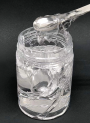
- Silicone Gel (Ultra Clear, Super Silky) is described as an ultra-clear silicone gel that provides a soft, smooth, light, non-sticky feel and can give a soft and glowing (matt look) appearance. It is soluble in silicones and oils and can be used at 1-100%.
- Silicone Gel (High Matte, Dimethicone Base) is an opaque silicone gel specifically designed to emphasize matteness on the skin. It also reduces tackiness and improves texture.
Adding either of these silicone gels to your formula can help counteract the potential greasiness from the 8% oil phase and the base, resulting in a smoother, less shiny, and more comfortable feel. The "Ultra Clear" version might be preferable if you want to maintain as much translucency as possible, while the "High Matte" version will provide a stronger matte effect but is opaque. You can mix them into the oil phase or the emulsion.
In summary, to achieve a translucent gel texture with 8% oil and a non-greasy, matte finish, consider using a polymer thickener like Aristoflex AVC or Hydroxyethyl Acrylate/Sodium Acryloyldimethyl Taurate Copolymer to build the gel structure and incorporate the oil. Incorporate volatile silicones like Trisiloxane or Dimethicone 1Secs for a light, fast-absorbing feel. Finally, add a Silicone Gel (such as Silicone Gel (Ultra Clear, Super Silky) or Silicone Gel (High Matte, Dimethicone Base)) to reduce tackiness and impart a matte look. Experimentation with the percentages of these ingredients will be necessary to achieve your desired texture and finish.
Related Products Mentioned
Silicone Gel (Ultra Clear, Super Silky)
Trisiloxane
Dimethicone 1Secs
Aristoflex AVC