Formulating a Wash-Off Face Mask for Acne and Brightening: Ingredient Selection, Usage Rates, and Preservation
Question
I am planning to create a wash-off face mask to address acne, clogged pores, redness, and dehydrated oily skin. I intend to use an Aloe Vera Gel base (either Heavy or Lite) and mix in various powders and liquid extracts/actives.
My planned ingredients and approach are:
- Base: Aloe Vera Gel base (unsure whether Heavy or Lite is better).
- Powders: Red Clay, Cinnamon powder, Turmeric powder, Clove powder, Pearl Powder.
- Acne/Redness Extracts (planned 10% each): Licorice Extract, Centella Asiatica Extract, Onion Extract, Royal Jelly Extract.
- Whitening Actives (planned 5% each): Azelaic Acid, Ethyl Ascorbic Acid.
- Mixing: I plan to guesstimate the amounts when mixing.
- Preservation: I do not plan to add extra preservative, relying on the preservative already in the Aloe Vera Gel base.
- Application: Apply, leave on for about 30 minutes until dry, then wash off with water.
I would like advice on the feasibility of this formulation, the suitability of the ingredients and their planned usage rates, the mixing method, the preservation strategy, and whether a wash-off format is effective for the intended benefits.
Answer
Evaluation of Your Proposed Face Mask Formulation
Your goal is to create a mask to address multiple skin concerns: acne, clogged pores, redness, and dehydrated oily skin. The ingredients you've chosen target these issues, but there are several factors to consider regarding their effectiveness, safety, and formulation.
Base: Aloe Vera Gel
You are considering using an Aloe Vera Gel base (either Heavy or Lite).
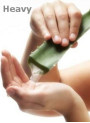
- Aloe Vera Gel (Heavy) provides a slightly sticky feel upon application.
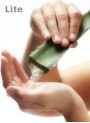
- Aloe Vera Gel (Lite) offers a lighter, faster-absorbing, non-sticky feel.
The choice between Heavy and Lite depends purely on your preferred texture. Both bases contain Aloe Vera extract, Vitamin B5, Allantoin, and a preservative (Phenoxyethanol), which are beneficial for soothing and moisturizing sensitive skin.
Powders: Red Clay, Cinnamon, Turmeric, Clove, Pearl Powder
You plan to incorporate several powders.
- Red Clay is suitable for facial masks and helps absorb impurities and tighten pores.
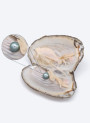
- Pearl Powder is known for potential brightening, anti-aging, moisturizing, soothing, and exfoliating properties.
- Regarding Cinnamon powder and Clove powder, information specific to their use in cosmetic formulations from the MySkinRecipes database is not available. Using raw botanical powders in cosmetic formulations can introduce microbial contamination.
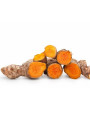
- You mentioned Turmeric powder. While raw turmeric powder is traditionally used, it can be irritating and stain the skin. A processed ingredient like WhiteCumin™ 2x (Turmeric Extract), which is a liquid extract of Tetrahydrocurcuminoids, offers the skin benefits of turmeric without the color and potential irritation of raw powder.
Important Consideration for Powders: As the staff mentioned, if the powders you use are not sterilized for cosmetic use, the preservative already in the Aloe Vera Gel base may not be sufficient to prevent microbial growth, especially when stored for 30 days, even in the refrigerator. Using cosmetic-grade, sterilized powders is crucial, or you may need to add an additional broad-spectrum preservative to ensure the product's safety and stability.
Extracts and Actives
You selected several beneficial extracts and actives for acne, redness, and whitening. However, the proposed usage rates of a fixed 10% for extracts and 5% for actives are not correct. Each ingredient has a specific recommended usage rate based on its concentration and efficacy, as determined by the manufacturer and regulatory guidelines.
Here are the recommended usage rates for the specific products found in the database:
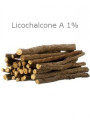
- Licorice Extract (Licochalcone A 1%, Water-Soluble): Recommended usage rate is 0.5-3%, with 0.5-1.0% recommended for reducing oiliness, treating acne, inflammation, irritation, and allergies.
- Centella Asiatica Extract (Madecassoside 7%, Liquid): Recommended usage rate is 1-2%, with 2% recommended. It helps stimulate collagen, reduce redness and dark spots from acne, and reduce skin inflammation. It does not dissolve in water or oil and needs to be mixed into the final gel or cream base.
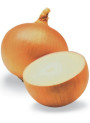
- Hi-Quercetin® (Onion Extract, Quercetin 3%): Recommended usage rate is 1-10%, with 1-2% recommended. Higher concentrations can make the formula dark yellow. It helps prevent scarring, heal wounds, reduce inflammation, and acts as an antioxidant and anti-allergic agent. It must be mixed in the water phase and the formula pH must be lower than 6.0.
- Royal Jelly Extract 10-hydroxydecanoic acid (98% Purity): This is a powder form of 10-HDA. The recommended usage rate is 0.1-1%, with 0.5% recommended. It helps reduce oiliness, control facial oil, reduce acne, and has antibacterial properties against acne. It dissolves in the oil phase and the formula pH should be 4-5.5 for maximum efficiency.
- Azelaic Acid (Liquid Azelaic™): Recommended usage rate is 5-10%, with 10% recommended for whitening, brightening, treating blemishes, and reducing facial oiliness. It is water-soluble and should be mixed in the final step below 40°C, with a formula pH between 5-11. It helps brighten skin, reduce dark spots, control oil, and reduce acne.
- Ethyl Ascorbic Acid (3-O-ethyl ascorbic acid): Recommended usage rate is 1-10%, with 3% recommended. It is a stable, water-soluble Vitamin C derivative that helps brighten skin by reducing melanin pigment and can reduce existing dark spots. It should be mixed in the water phase, and the formula pH must be in the range of 3.5-6.0. It is recommended to include 0.2% Disodium EDTA and avoid Vitamin B3 and Zinc PCA in the formula.
It is crucial to follow the recommended usage rates for each ingredient and not use a fixed percentage for all. Using too high a concentration can cause skin irritation or other issues, while too low a concentration may not be effective.
Mixing and Application Method
- Mixing: You mentioned "guesstimating" the proportions. Accurate measurement of each ingredient is essential for safety, stability, and effectiveness. You must follow the recommended mixing instructions and usage rates for each component.
- Application Method: You plan to apply the mask and wash it off after about 30 minutes. As the staff pointed out, many of the beneficial extracts and actives (like the acne and whitening ingredients) need time to be absorbed into the skin to be effective. A wash-off mask format, especially one that dries, might not allow sufficient contact time or penetration for these ingredients to provide their full benefits. Clay and powders primarily work on the surface to absorb oil and impurities and provide exfoliation.
If your primary goal is a wash-off mask, focus on ingredients that provide benefits during the application time, such as clays for oil absorption and pore tightening, and soothing ingredients. If you want to utilize the full potential of the extracts and actives for acne treatment and brightening, a leave-on serum, gel, or cream formulation might be more suitable.
Preservation
The Aloe Vera Gel base contains a preservative. However, adding unsterilized powders can introduce microbes. To ensure the stability and safety of your homemade mask for 30 days of storage, especially in the refrigerator, you should consider using cosmetic-grade, sterilized powders or adding an additional broad-spectrum preservative suitable for the final formulation's pH and ingredients.
Summary and Recommendations
Your proposed ingredients have the potential to address your skin concerns. However, to create a safe and effective product:
- Choose your Aloe Vera Gel base (Heavy or Lite) based on your texture preference.
- Use cosmetic-grade, sterilized powders if possible. Be aware that information on raw cinnamon and clove powder for cosmetic use is limited. Consider using extracts like WhiteCumin™ 2x instead of raw turmeric powder.
- Strictly follow the recommended usage rates for each extract and active ingredient (Licorice Extract, Centella Asiatica Extract, Hi-Quercetin®, Royal Jelly Extract, Azelaic Acid, Ethyl Ascorbic Acid). Do not use a fixed percentage for all.
- Measure ingredients accurately instead of guesstimating.
- Consider adding an additional preservative if you are using non-sterilized powders to ensure product safety and shelf life.
- Reconsider the application method if you want the extracts and actives to be fully effective. A leave-on product might be better for ingredient absorption. If you prefer a wash-off mask, understand that the primary benefits might come from the clay and powders (oil absorption, exfoliation) rather than the absorbed actives.
By carefully considering these points and adjusting your formulation and process, you can create a more effective and safer product for your skin concerns.
Related Products Mentioned
Aloe Vera Gel (Heavy)


Aloe Vera Gel (Lite)
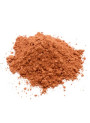
Red Clay