Formulating AHA Lotion (AmLactin Type): pH, Ingredients, and Stability with Electrolytes
Question
I am trying to formulate a lotion similar to AmLactin, which contains 12% Lactic Acid neutralized to form Ammonium Lactate (or Sodium Lactate in my case). The product claims to be pH-balanced and gently encourages skin cell renewal through exfoliation, offering long-lasting moisture.
I have a base formulation and some questions:
My Proposed Formula (Initial):
- water 54%
- Sodium Lactate 60% (AHA 9%) 15%
- Shea Butter Light Oil 10%
- Natural Urea 5%
- Propylene Glycol 3%
- Glycerin 2%
- Gluconolactone (PHA 1.5%) 1.5%
- RiceSorb™ 5%
- Lactic Acid (AHA 2.2%) 2.5%
- Light Cream Maker™ 1.5%
- Phenoxyethanol 0.5%
Staff suggested a revised formula due to Light Cream Maker™ incompatibility with high electrolytes (Sodium Lactate):
- water (ส่วนที่เหลือ)
- Sodium Lactate (60% Solution) 10%
- Shea Butter Light Oil 10%
- Natural Urea 5%
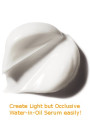
- Water-in-Oil EZ™ (Water-in-Oil Serum) 0.7%
- Phenoxyethanol 0.5%
My Questions:
- Regarding Thai FDA regulations for consumer products, does the limit of not more than 10% total AHA (pH not lower than 3.5) include all AHAs (Glycolic, Lactic) and PHAs?
- For personal, household use, is it acceptable to have a total AHA concentration of around 12-13% if the pH is adjusted slightly higher, around 5? I observed that the original AmLactin 12% lotion has a pH of approximately 5.2 when dissolved in distilled water, and it worked well for me.
- What would be the approximate pH of my initial proposed formula before adding the Lactic Acid?
- What substance is safely used to increase the pH of a cosmetic formula with minimal irritation?
- The staff mentioned Light Cream Maker™ is not suitable due to high electrolytes from Sodium Lactate, and suggested Water-in-Oil EZ™ or another cream maker plus an electrolyte-tolerant thickener like Xanthan Gum. My initial formula included RiceSorb™. How do Light Cream Maker™ and RiceSorb™ function? Are they emulsifiers or thickeners? Do they require heating during formulation?
- The original Amlactin contains Silicate. What is its purpose? If it's for quick drying and non-greasiness, what ingredient could I use in my formula for a similar effect?
Answer
Subject: Reviewing Modified AmLactin Formula
Thank you for your detailed questions regarding your modified AmLactin formula. We apologize for the delay in responding. We will address each of your questions below, incorporating the feedback previously provided by our staff.
Thai FDA regulations for AHA: Yes, the Thai FDA regulation limiting AHA concentration to not more than 10% and requiring the product pH to be not lower than 3.5 for consumer products generally refers to the total concentration of active alpha hydroxy acids (such as Glycolic Acid and Lactic Acid) in the formula. While PHA (like Gluconolactone) is a milder exfoliant, it's prudent to consider its contribution to the overall exfoliating effect and potential irritation, although regulations might specifically target AHAs. The pH limit is crucial for ensuring the safety of the product for general consumer use.
Personal use with higher AHA and pH 5: For personal use, regulatory limits do not strictly apply. However, using a higher concentration of exfoliating acids (your formula has approximately 12.7% total exfoliating acids from Sodium Lactate, Lactic Acid, and Gluconolactone) increases the potential for skin irritation, redness, and sensitivity. Adjusting the pH to around 5-5.5, as you observed with the original AmLactin lotion, is a good strategy to balance the exfoliating efficacy with reduced irritation compared to a lower pH. This pH range is generally considered safer for higher concentrations of AHAs than pH values below 3.5.
pH before adding Lactic Acid: Based on the ingredients in your proposed formula before adding Lactic Acid (Water, Sodium Lactate 60% solution, Shea Butter Light Oil, Natural Urea, Propylene Glycol, Glycerin, Gluconolactone, RiceSorb™, Light Cream Maker™, Phenoxyethanol), the pH would likely be slightly alkaline or neutral. Sodium Lactate 60% solution typically has a pH between 6.5-7.5, and Urea is also slightly alkaline. Gluconolactone is acidic, but less so than Lactic Acid. Therefore, the initial pH would likely be above 7 or close to neutral, and adding Lactic Acid would lower it.
Substances to increase pH: To safely increase the pH of a cosmetic formula, the most common and effective substance is Sodium Hydroxide (NaOH) solution. It is a strong base that can neutralize acids like Lactic Acid. While it is effective, the final pH of the product is what determines the potential for irritation. Ensuring the final pH is in the desired range (e.g., 4-5.5 for AHA products) is key for safety and comfort.
Emulsifier and Thickener (Light Cream Maker, RiceSorb): As our staff previously advised, Light Cream Maker™ is generally not suitable for formulas containing high levels of electrolytes, such as Sodium Lactate. Electrolytes can destabilize the emulsion created by this type of emulsifier. RiceSorb™ is primarily an oil-absorbing ingredient used to reduce greasiness and improve skin feel, not a primary emulsifier or thickener for creating the main cream structure. We recommend following the staff's suggestions: either use Water-in-Oil EZ™ which is tolerant to electrolytes, or use a standard O/W cream maker suitable for your oil phase and add an electrolyte-tolerant thickener like Xanthan Gum to the water phase to achieve the desired viscosity. Regarding heating, thickeners like Xanthan Gum are typically dispersed in the water phase and hydrated, sometimes with gentle heating, before combining with the oil phase. If using a hot-process emulsifier, both water and oil phases are heated separately before mixing.
Purpose of Silicate in Amlactin: Magnesium Aluminum Silicate in the original AmLactin formula serves as a thickener and suspending agent. It also contributes to the texture and feel of the lotion, helping to reduce greasiness and provide a smoother application. Your inclusion of RiceSorb™ in your modified formula serves a similar purpose of absorbing oil and reducing the greasy feel. You could include an electrolyte-tolerant thickener like Xanthan Gum or Carbomer (if neutralized appropriately and compatible) to achieve the desired viscosity and potentially contribute to the texture, similar to the role of Silicate in the original.
We hope this detailed response addresses your questions and helps you in formulating your product.
Related Products Mentioned
Light Cream Maker™
Sodium Lactate (60% Liquid, Natural)

Lactic Acid (AHA) 88%
Natural PHA (Gluconolactone)