Formulating an Oil-Based Body Cleanser with Surfactants
Question
I would like to ask about formulating a 100% oil-based soap (cleanser).
If I use a blend of natural oils such as:
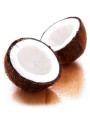
- Fractionated Coconut Oil
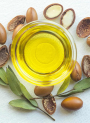
- Argan Oil
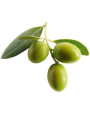
- Olive Oil
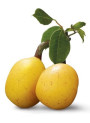
- Marula Oil
And add natural Essential Oil for desired properties.
I found that some brands use PEG-20 Glyceryl Triisostearate and Sodium Cocoyl Isethionate. If I want to add these two substances, what percentage should I use for each?
Are there any other substances you would recommend adding besides these two?
The purpose of the product is solely for cleansing the body. The desired properties will primarily come from the Essential Oils used as active ingredients.
Thank you.
Answer
Formulating an Oil-Based Body Cleanser
Hello! It sounds like you're interested in creating a body cleansing product primarily using natural oils like Fractionated Coconut Oil, Argan Oil, Olive Oil, and Marula Oil, and incorporating Essential Oils for their beneficial properties. You're also looking into adding PEG-20 Glyceryl Triisostearate and Sodium Cocoyl Isethionate.
Adding surfactants like PEG-20 Glyceryl Triisostearate and Sodium Cocoyl Isethionate to a base of natural oils will result in a product that functions differently from a traditional saponified oil soap. This type of formulation is more akin to a cleansing oil, cleansing balm, or a Syndet bar, where the surfactants help to emulsify the oils and dirt, allowing them to be rinsed away with water.
Regarding the usage percentages for the ingredients you mentioned:
- PEG-20 Glyceryl Triisostearate: While we don't have a specific product description for PEG-20 Glyceryl Triisostearate, similar emulsifiers used in oil-based cleansers, such as PEG-8 Glyceryl Isostearate, are typically used to help oil formulations rinse off cleanly with water. Based on the properties of similar ingredients, a general usage range for such emulsifiers in cleansing oils or balms can be from 1% up to 30% or more, depending on the desired rinsing performance and the other oils in the formula. This ingredient acts primarily as an emulsifier to bridge the oil and water phases.
- Sodium Cocoyl Isethionate (SCI): This is a gentle anionic surfactant that provides good foam and is often used in solid cleansing bars (Syndet bars) or creamy/powder cleansers. For products like Syndet bars, SCI can be used as the primary surfactant at rates typically ranging from 5% to 60% or even higher. If used in a liquid or cream formula, the percentage would depend on the desired cleansing strength and foam.
It's important to note that the exact percentage for both ingredients will require testing and adjustment based on the specific blend of oils you use and the desired characteristics of the final product (e.g., how easily it rinses, the amount of foam, the feel on the skin).
Beyond these two ingredients, if you are developing an oil-based cleanser that rinses with water, you might consider adding:
- Antioxidants: Ingredients like Vitamin E or Rosemary Oleoresin Extract (ROE) are crucial to prevent the natural oils in your formula from becoming rancid over time.
- Other Surfactants/Co-surfactants: Depending on the desired foam and mildness, especially if creating a liquid cleanser, you might combine SCI with other gentle surfactants.
- Thickeners or Structurants: If aiming for a cleansing balm or solid bar format, ingredients like fatty alcohols (e.g., Cetyl Alcohol), waxes (like Beeswax), or solid butters can provide the desired texture.
- Preservatives: If your formula contains water or is likely to come into contact with water during use, a broad-spectrum preservative is essential to prevent microbial growth.
The natural oils you've chosen – Fractionated Coconut Oil, Argan Oil, Olive Oil, and Marula Oil – are excellent choices for a cleansing base, offering various skin-conditioning benefits. Essential Oils can indeed provide targeted properties and fragrance.
Developing a stable and effective cosmetic formula requires careful consideration of ingredient compatibility, stability, and safety. It is highly recommended to conduct small-scale tests and adjust percentages as needed to achieve your desired product performance.
Related Products Mentioned
Olive Oil (Extra Virgin)
Argan Oil (Virgin - Deodorized)
Fractionated Coconut Oil
Bergamot Essential Oil (Fruit, India)
PEG-8 Glyceryl Isostearate