Formulating Anti-Aging & Brightening Serum (Cold Process)
Question
I want to make a serum with the following ingredients:
- Galactomyces Ferment Filtrate (aka. Pitera) 35%
- Acetyl Hexapeptide-8 (eq. Argireline) 10%
- Pal-GHK, Pal-GQPR (eq. Matrixyl 3000) 5%
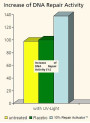
- Repair Activator™ Liquid (Bifida Ferment Lysate) 10%
- DMAE (SkinTight MD™) Liquid 5%
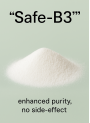
- Safe-B3™ (Vitamin B3, Niacinamide) 10%
- Alpha Arbutin (Switzerland) 2%
- Activated resorcinol 0.2%
- Dimethyl Isosorbide DMI -10%
- Natto Gum 5%
- Panthenol (Vitamin B5) ExtraLite 5%
I want a serum that reduces and prevents new wrinkles, reduces dark spots, freckles, and blemishes, and strengthens the skin. Are there any ingredients in this list that are incompatible, or what else do I need to add if I want to mix them without using heat?
Answer
Based on the ingredients you've listed, you have a good selection for an anti-aging serum targeting wrinkles, dark spots, and skin strengthening.
Here's a breakdown of the ingredients and considerations for your cold-process serum:
Ingredients and Benefits:
- Galactomyces Ferment Filtrate (Pitera), Bifida Ferment Lysate (Repair Activator™), Natto Gum: These ferments and natural extracts are excellent for skin conditioning, strengthening the skin barrier, hydration, and potentially anti-aging effects.
- Acetyl Hexapeptide-8 (Argireline), Matrixyl 3000 (Pal-GHK, Pal-GQPR), DMAE: These are potent anti-aging ingredients known for their effects on reducing the appearance of wrinkles and improving skin firmness.
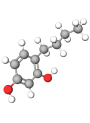
- Niacinamide (Vitamin B3), Alpha Arbutin, Activated Resorcinol (4-Butyl Resorcinol): These are effective ingredients for reducing dark spots, hyperpigmentation, and improving overall skin tone. Niacinamide also offers barrier support and anti-inflammatory benefits.
- Panthenol (Vitamin B5): A great humectant and soothing ingredient that supports skin hydration and barrier function.
- Dimethyl Isosorbide (DMI): This acts as a solvent and penetration enhancer, helping the other active ingredients absorb better into the skin.
Compatibility and Formulation:
- Compatibility: Generally, the ingredients you've listed are compatible. However, the most critical factor when combining multiple active ingredients like peptides, vitamins (Niacinamide), DMAE, and skin lighteners (Alpha Arbutin, Activated Resorcinol) is the final pH of your serum. Different actives have optimal pH ranges for stability and efficacy. Combining them requires finding a pH that works reasonably well for all, or at least doesn't cause degradation or excessive irritation. A pH between 5.0 and 6.0 is often a good target range for formulations containing these types of ingredients, as it is generally well-tolerated by the skin and supports the stability of many actives, including Alpha Arbutin and Niacinamide.
- Percentages: The percentages you listed (totaling 97.2%) likely represent the recommended usage rates of the raw materials as supplied by the vendor, not the final percentage in your serum formulation. To create a serum, you will need a base liquid, typically purified water (Aqua), to dilute these active ingredients into a usable consistency.
- Cold Process: All the ingredients you listed are suitable for a cold-process formulation, meaning you do not need to heat the mixture.
What Needs to Be Added:
- Water (Aqua): This will be the main component of your serum base, diluting the concentrated actives.
- Preservative System: Absolutely essential for any water-based formulation to prevent bacterial, fungal, and mold growth. Choose a broad-spectrum preservative suitable for your chosen pH range and cold processing.
- pH Adjuster: You will need an acid (like Lactic Acid or Citric Acid solution) or a base (like Sodium Hydroxide solution) to adjust the final pH of your serum to the desired range (e.g., 5.0-6.0). You will need pH testing strips or a pH meter to do this accurately.
Optional Additions:
- Additional Humectant: While Natto Gum and Panthenol provide some hydration, adding a small percentage of Glycerin or Sodium Hyaluronate can enhance the serum's moisturizing properties and texture.
- Chelating Agent: Ingredients like Disodium EDTA can help improve the stability of the formulation by binding metal ions that might be present in the water or from other ingredients.
Summary and Recommendations:
Your ingredient list is promising for addressing your skin concerns. The key to success lies in proper formulation:
- Use purified water as your base.
- Incorporate a suitable preservative system.
- Carefully adjust the final pH of the serum, aiming for a range like 5.0-6.0, and verify with a pH meter or strips.
- Check the specific recommended usage rates and compatibility notes for each raw material from your supplier. They may provide optimal pH ranges or specific mixing instructions.
- Be mindful of the high concentration of multiple actives. If you have sensitive skin, consider starting with lower percentages of some actives or patch testing the final product.
By adding a base, preservative, and adjusting the pH, you can create a stable and effective serum using your chosen ingredients via a cold process.
Related Products Mentioned
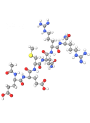
Acetyl Hexapeptide-8 (eq Argireline)
Pal-GHK, Pal-GQPR (eq Matrixyl 3000)
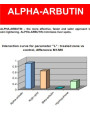
Alpha Arbutin (Switzerland)
Safe-B3™ (Vitamin B3, Niacinamide)
Natto Gum Extract
Panthenol (Vitamin B5) ExtraLite™
DMAE (SkinTight MD™) Liquid