Formulating Azelaic Acid + Salicylic Acid Cream for Combination/Acne-Prone Skin: Ingredient Percentages, Solubility, and Silicone Use
Question
I would like to reverse engineer a cream formula for my combination skin which is prone to acne in the T-zone, based on the following ingredient list:
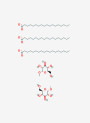
Water (Aqua), Azelaic Acid, C12-15 alkyl benzoate, Caprylic/capric triglyceride, Methyl Glucose Sesquistearate, Glycerine, Cetearyl Alcohol, Glyceryl Stearate, Dimethicone, Salicylic Acid, Adenosine, Glycyrrhiza Glabra (Licorice) Root Extract, Boerhavia Diffusa Root Extract, Allantoin, Bisabolol, Cyclopentasiloxane, Xanthan Gum, Sclerotium Gum, Propanediol, Butylene Glycol, Phenoxyethanol.
I have attempted to create a formula with percentages as follows:
Water phase
- 38% Distilled water
- 4% Glycerine
- 2% Adenosine
- 0.5% Allantoin
- 0.5% Xanthan Gum
- 0.5% Sclerotium Gum
- 0.5% Propanediol
- 2% Salicylic Acid
- 0.5% Butylene Glycol
Oil phase
- 10% C12-15 alkyl benzoate
- 5% Caprylic/capric triglyceride
- 4% Methyl Glucose Sesquistearate
- 3.5% Cetearyl Alcohol
- 3.5% Glyceryl Stearate
- 3% Dimethicone
- 0.5% Bisabolol
- 0.5% Cyclopentasiloxane
Cooldown phase
- 20% Azelaic Acid
- 1% Dipotassium Glycyrrhizate (Licorice) Root Extract
- 0.5% Phenoxyethanol
Is this formula correct and suitable? Please review it.
I also have specific questions:
- Is Propanediol used to dissolve Salicylic Acid in this cream? The product description mentions that Propanediol can replace Propylene Glycol, any type of Glycol, and Glycerin to function as a Humectant / Skin-Feel, Solvent, or Preservative Booster. What percentage should I use to dissolve Salicylic Acid?
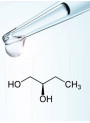
- Is Butylene Glycol a solvent for Salicylic Acid in this formula? I would like to remove it and use only Propanediol.
- If I want to use Encapsulated Salicylic Acid (Powder, Timed-Release) 4% (= Salicylic Acid 2%), in which step should I add it? The product description states that adding Encapsulated Salicylic Acid (BHA) powder to any formula may reduce its viscosity (make it thinner).
- I have no experience mixing Dimethicone. Please recommend suitable percentages for Dimethicone and Cyclopentasiloxane for this skin type.
- Which type of Dimethicone should I choose?
Answer
Formulation Review and Feedback
Your proposed formula includes key active ingredients like Azelaic Acid and Salicylic Acid, which are excellent choices for addressing acne, controlling oiliness, and improving skin texture. The inclusion of soothing and moisturizing ingredients like Glycerin, Adenosine, Allantoin, Bisabolol, and Dipotassium Glycyrrhizate is also beneficial to help counteract potential irritation from the actives, especially at higher concentrations.
The emulsifiers (Methyl Glucose Sesquistearate, Cetearyl Alcohol, Glyceryl Stearate) and emollients (C12-15 alkyl benzoate, Caprylic/capric triglyceride, Dimethicone, Cyclopentasiloxane) should help create a suitable cream texture.
However, there are a few points to consider for stability and efficacy:
- Active Concentration: While Azelaic Acid 20% and Salicylic Acid 2% are potent for treating acne, they can also be irritating. The specific Azelaic Acid product you linked (Liquid Azelaic™) is Potassium azeloyl diglycinate, which is a water-soluble derivative and typically used at 5-10% according to its description for skin brightening and oil control. Using it at 20% might exceed the recommended usage rate for this specific form and may not provide additional benefits compared to 10%, while potentially increasing cost or formulation challenges. If you intended to use pure Azelaic Acid powder, formulating 20% requires specific techniques (often suspension or careful pH control) and is generally more irritating. It's advisable to adhere to the supplier's recommended usage rate for Liquid Azelaic™ (5-10%).
- Salicylic Acid Solubilization: As you noted in your questions, Salicylic Acid is not water-soluble. It requires organic solvents like glycols or alcohol. Your formula includes Propanediol and Butylene Glycol, both of which can act as solvents for Salicylic Acid. However, the proposed percentages (0.5% each) are likely insufficient to fully dissolve 2% Salicylic Acid. This could lead to crystallization and instability in the final product.
- Ingredient Discrepancy: The initial ingredient list included Boerhavia Diffusa Root Extract, but it was not present in your percentage breakdown. If you intend to include it, ensure it's added to the appropriate phase (likely water phase or cooldown phase, depending on the specific extract type) and accounted for in the total percentage.
Answers to Your Specific Questions
Is Propanediol used to dissolve Salicylic Acid in this cream, and what percentage is needed?
Yes, Propanediol can be used as a solvent for Salicylic Acid. Its description confirms it can replace other glycols as a solvent. To dissolve 2% Salicylic Acid, you will need a significantly higher percentage of solvent than the 0.5% Propanediol you currently have. While the exact minimum percentage can vary slightly based on the specific raw materials and formulation, a common approach is to use a combination of glycols. If using Propanediol alone or as the primary solvent for 2% Salicylic Acid, you might need around 10-20% or more of Propanediol to ensure complete dissolution, potentially with gentle warming. It's best to perform a small test batch to determine the minimum percentage required for full dissolution at room temperature or slightly elevated temperature (e.g., 40-50°C) before adding to the main formula.Is Butylene Glycol a solvent for Salicylic Acid in this formula, and can I remove it and use only Propanediol?
Yes, Butylene Glycol is also a common solvent for Salicylic Acid, as indicated in its description. You can choose to use only Propanediol to dissolve the Salicylic Acid and omit Butylene Glycol if you prefer. However, as mentioned above, you must ensure the percentage of Propanediol is sufficient to dissolve all the Salicylic Acid (likely 10-20% or more for 2% Salicylic Acid). Using a combination of Propanediol and Butylene Glycol can sometimes help optimize solubility and skin feel, but using only Propanediol is feasible if the concentration is adequate.If I want to use Encapsulated Salicylic Acid (Powder, Timed-Release) 4% (= Salicylic Acid 2%), in which step should I add it?
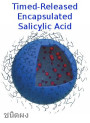
Encapsulated Salicylic Acid (Powder, Timed-Release) should be added in the Cooldown phase, after the emulsion has been formed and the temperature has dropped below 40°C. This is crucial because the encapsulation can be compromised by high heat. The product description for Encapsulated Salicylic Acid (Powder, Timed-Release) explicitly states to add it in the last step, avoiding heat above 40°C, and that it disperses rather than dissolves. It also notes that it might reduce the formula's viscosity, so you may need to adjust the thickener (Xanthan Gum, Sclerotium Gum) percentage if you switch to the encapsulated form.I have no experience mixing Dimethicone. Can you recommend percentages for Dimethicone and Cyclopentasiloxane suitable for this skin type?
Dimethicone and Cyclopentasiloxane are silicones that provide a smooth, non-greasy feel, which is beneficial for combination and acne-prone skin.- Cyclopentasiloxane: This is a lightweight, volatile silicone that evaporates quickly, leaving a silky, dry finish. It's excellent for reducing tackiness and improving spreadability. A typical usage rate for a light, non-greasy feel is 2-10%. Your current 0.5% is quite low; increasing it could significantly improve the texture for oily areas.
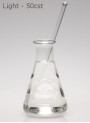
- Dimethicone (various viscosities): Dimethicone provides slip and a conditioning feel. For combination/oily skin, lower viscosity Dimethicones (like 100 cSt or 350 cSt) are generally preferred as they feel lighter than higher viscosity ones. A suitable range for Dimethicone in this type of cream is typically 1-5%.
- Combined Use: Using a combination of Cyclopentasiloxane and a low-viscosity Dimethicone (e.g., 5% Cyclopentasiloxane and 3% Dimethicone 350 cSt) can provide a nice balance of light feel and smoothness. You can adjust these percentages within the recommended ranges based on your desired final texture.
Which type of Dimethicone should I choose?
For combination to oily skin where a light, non-greasy feel is desired, I recommend choosing a low-viscosity Dimethicone. Options like Dimethicone 100 cSt or Dimethicone 350 cSt are good choices. These will provide the desired slip and smooth feel without contributing to a heavy or oily sensation on the skin. Avoid high-viscosity Dimethicones (like 60,000 cSt or 500,000 cSt) as they are much heavier and can feel occlusive.
In summary, your formula has a solid foundation for addressing acne and oiliness. Key adjustments would involve ensuring sufficient solvent for Salicylic Acid (or using the encapsulated form correctly) and potentially adjusting the silicone levels for optimal texture for your skin type. Remember to always make small test batches when modifying formulations.
Related Products Mentioned
Allantoin
Natural Bisabolol (Brazil Chamomile)
Glycerin (USP/Food Grade)
Salicylic Acid (BHA, Pharma Grade)
Phenoxyethanol (Extra Pure)
Fractionated Coconut Oil
Dimethicone (Medium/350, Low-Odor)
Butylene Glycol
Cetearyl Alcohol (50/50, e.q. Lanette O)
Dimethicone (Light/50, Low-Odor)
Poly-Protect (Hydrolyzed Sclerotium Gum)
Pure-Adenosine™