Formulating Body Whitening Cream: Ingredient Measurement and Percentage Calculation (%W/W)
Question
I have some questions regarding cosmetic formulation, specifically for a body whitening cream:
- Is the pH of body skin different from facial skin?
- When a formulation specifies a percentage, does it always refer to weight by weight (%W/W)? For example, does 4% of an ingredient mean 4 grams in a 100-gram formula?
- If I have a scale and am making a total batch of 100 grams, is weighing out 4 grams of a powder ingredient the correct way to add it at a 4% concentration (by weight)?
Answer
Body Whitening Cream Formulation Advice
Here are some ingredients suitable for a body whitening cream, along with recommended usage percentages. You can choose one or combine a few with different mechanisms for potentially better results. Always start with the lower recommended percentage, especially if combining multiple actives, and test on a small area first.
- Activated Resorcinol™ (4-Butyl Resorcinol): A potent inhibitor of melanin production. Recommended usage for leave-on products is 0.1-1.0%. It is recommended to use with anti-irritants like Natural Bisabolol and include Disodium EDTA 0.2% for stability. Avoid combining with Alpha Arbutin or AHA.
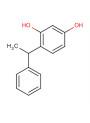
- Phenylethyl Resorcinol (e.q. SymWhite 377): Considered safe and effective. Recommended usage for leave-on products is 0.1-1.0% (manufacturer recommends 0.5%). It has antioxidant properties and pairs well with Vitamin C and Niacinamide. Include Disodium EDTA 0.2% for stability. Avoid ingredients in the Amino Acids, Urea, or protein group.
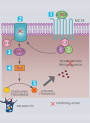
- MSH White™ (Undecylenoyl phenylalanine): Works by reducing Alpha-MSH, which stimulates melanin production. Recommended usage is 0.5-2%. Can be used with other whitening agents like Vitamin C, Vitamin B3, or N-Acetyl Glucosamine.
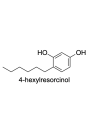
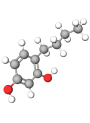
- HR-White™ (4-Hexylresorcinol): A potent inhibitor of tyrosinase with antioxidant and anti-inflammatory benefits. Recommended usage is 0.1-1%. Include Disodium EDTA 0.1% for stability.
- GlyciWhite™ (Glycinamide HCL): Gentle and effective against melanin production. Recommended usage is 3-10% (manufacturer recommends 5%). Mix in water phase, avoid heat above 60°C.
- AEPWhite™ (Aminoethylphosphinic Acid): Stabilizes DOPAchrome, a step in melanin synthesis. Recommended usage is 0.1-1.0% (manufacturer recommends 0.5%). Can be used up to 1.5%. It works well in combination with tyrosinase inhibitors for synergistic effect. Mix in water phase, avoid heat above 60°C.
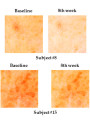
Remember that results can take at least 4 weeks of consistent use.
Your Additional Questions:
- pH of body vs. face skin: Yes, the pH of body skin can be slightly different from facial skin, often being a bit less acidic. However, cosmetic formulations for both face and body are typically adjusted to a pH range that is compatible with the skin and the ingredients, usually between 4.5 and 6.0.
- Percentage calculation (W/W): Your understanding is correct. When a formulation specifies a percentage, it almost always refers to weight by weight (%W/W). This means that in a total batch size of 100 grams, 4% of an ingredient is 4 grams of that ingredient.
- Weighing powder ingredients: Yes, that is exactly right. If you have a scale and are making a total batch of 100 grams, weighing out 4 grams of a powder ingredient means you are adding it at a 4% concentration (by weight). This principle applies whether the ingredient is a powder or a liquid.
The explanation provided by ratthakan_d is accurate regarding why weight is used instead of volume (due to temperature affecting volume) and how to calculate the amount needed for a specific batch size (e.g., 3 grams in a 100-gram formula is 3%).
When formulating, always measure ingredients by weight for accuracy.
Related Products Mentioned
MSH White™ (Undecylenoyl phenylalanine)