Formulating Cleansing Oil: Replacing Mineral Oil and Adapting a Cleansing Water Formula
Question
I would like to formulate a cleansing oil. I currently use a product with the following ingredients:
Ingredient List:
- Paraffinum Liquidum/Mineral Oil
- Isopropyl Myristate
- C12-15 Alkyl Benzoate
- Peg-20 Glyceryl Triisostearate
- Dicaprylyl Carbonate
- Ethyl Oleate
- Sea Water
- Prunus Cerasus/Bitter Cherry Extract
- Tocopheryl Acetate
- Polysorbate 85
- Peg-6 Diisostearate
- Glycerin
- Capryl Glycol/Caprylyl Glycol
- Propylene Glycol
- Menthoxypropanediol
- Linalool
- Fragrance
I intend to replace the Mineral Oil component with Fractionated Coconut Oil (Caprylic/Capric Triglyceride) and other natural oils. I saw a cleansing water formula provided by your team previously and would like to know if I can adapt it into a cleansing oil. I have the following questions:
- If I replace the water portion in the cleansing water formula with oil entirely, will it work?
- PEG-7 Glyceryl Cocoate (from the cleansing water formula) is listed as water-soluble. If my cleansing oil formula has no water, do I need to replace it, or can it still be used?
- PEG-6 Caprylic/Capric Glycerides (from the cleansing water formula) is no longer available from your company. Can you suggest a substitute?
Answer
Cleansing Oil Formulation Guidance
Thank you for reaching out! It's great that you're looking to create your own cleansing oil formulation, replacing mineral oil with natural alternatives and adapting concepts from a cleansing water formula.
First, let's clarify the difference between Cleansing Water and Cleansing Oil:
- Cleansing Water (Micellar Water): Primarily water-based, using low concentrations of surfactants (micelles) to capture dirt and oil. It's designed to be lightweight and often requires no rinsing or rinses off very easily.
- Cleansing Oil: Primarily oil-based, working on the principle of "oil dissolves oil" to remove makeup and impurities. The key component here is a good emulsifier that allows the oil to mix with water and rinse off cleanly without leaving a greasy residue.
Based on the cleansing oil ingredients you currently use, you already have several oils and important emulsifiers like PEG-20 Glyceryl Triisostearate and Polysorbate 85, which help the oil rinse off with water.
Now, let's address your specific questions regarding adapting the previous cleansing water formula:
Can we replace the water portion with oil entirely?
- Answer: No, this is not possible. A Cleansing Water formula is fundamentally water-based and relies on surfactants that function effectively in water. Replacing all the water with oil would make the formula unstable, and the water-soluble surfactants would not work correctly. To create a Cleansing Oil, you need to start with an oil base and select emulsifiers specifically designed for oil systems.
PEG-7 Glyceryl Cocoate is water-soluble. Can it still be used if the formula has no water?
- Answer: Yes, you can use PEG-7 Glyceryl Cocoate (such as Coco Wash™) in a Cleansing Oil formula. While it dissolves in water, its key function in this context is as a non-ionic surfactant and emulsifier. It helps the oil phase emulsify with water during rinsing, allowing the product to wash off cleanly. It also contributes a gentle feel and can help moisturize the skin.
PEG-6 Caprylic/Capric Glycerides is not available. Can it be substituted?
- Answer: Yes, absolutely. PEG-6 Caprylic/Capric Glycerides is a surfactant/solubilizer. You can substitute it with other emulsifiers or surfactants suitable for oil-based systems that help with cleansing and rinsing. Based on your current cleansing oil ingredients and common alternatives, suitable options available include:
- Coco Wash™ (PEG-7 Glyceryl Cocoate): As mentioned above, this is a gentle and effective option.
- Polyglyceryl-2 Triisostearate: An excellent emulsifier specifically used in makeup removers and cleansing oils to help wash off oil-based products effectively.
- Polyglyceryl-2 Diisostearate: Similar to Polyglyceryl-2 Triisostearate, it functions as a water-in-oil emulsifier suitable for cleansing formulations.
- Polysorbate 85: This is also present in your current formula and acts as an emulsifier/solubilizer, helping the oil rinse off with water.
- Answer: Yes, absolutely. PEG-6 Caprylic/Capric Glycerides is a surfactant/solubilizer. You can substitute it with other emulsifiers or surfactants suitable for oil-based systems that help with cleansing and rinsing. Based on your current cleansing oil ingredients and common alternatives, suitable options available include:
Regarding your intention to replace Mineral Oil with Fractionated Coconut Oil (Caprylic/Capric Triglyceride) and other natural oils, this is a great approach and is definitely feasible. Fractionated Coconut Oil is a lightweight, non-greasy oil that is stable and a good base for cleansing oils. You can combine it with other natural oils of your choice.
Basic Cleansing Oil Formulation Approach:
To formulate your cleansing oil, you would typically combine:
- Base Oils: Such as Fractionated Coconut Oil (Caprylic/Capric Triglyceride) and other natural oils (around 70-90% of the formula).
- Emulsifier(s): Choose one or a combination of suitable emulsifiers like Coco Wash™ (PEG-7 Glyceryl Cocoate), Polyglyceryl-2 Triisostearate, Polyglyceryl-2 Diisostearate, or Polysorbate 85 (around 5-20% of the formula, adjust based on desired rinsing performance).
- Other Optional Ingredients: Vitamin E, oil-soluble extracts, fragrance, etc., in small amounts.
Remember that formulating requires testing and adjusting the ratios of oils to emulsifiers to achieve the desired texture and rinsing performance.
Related Products Mentioned
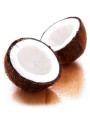
Fractionated Coconut Oil
Coco Wash™ (PEG-7 Glyceryl Cocoate)
Polyglyceryl-2 Triisostearate