Formulating Cleansing/Shower Oil: Ingredients, Solubility, Preservation, and Essential Oil Diffusion
Question
I am interested in creating a cleansing oil/shower oil similar to the THREE brand, which focuses on natural oils and essential oils, for use on both the face (to remove makeup) and body.
My proposed formula is:
- Coco Wash™ (PEG-7 Glyceryl Cocoate) 10%
- Organic Oil 75% + Essential Oil 10%
- Licorice Extract (Licochalcone A 1.5%)
I have the following questions:
- Regarding the ingredients in my proposed formula:
- Is Coco Wash™ suitable?
- Is the concentration of organic oil and essential oil appropriate?
- Can I use Licorice Extract (Licochalcone A 1.5%) in this oil-based formula?
- What is the difference between Phenoxyethanol and Vitamin E, and which should be used for preservation?
- Can Polysorbate 80 be used in this formula?
- What are the correct mixing steps for this type of formula?
- Separately, is using Cera Alba (White Beeswax) to melt essential oils on a stove a recommended method for diffusion? I am concerned about paraffin toxicity.
Answer
Recommendations for Cleansing Oil and Shower Oil
Regarding your question and interest in making a cleansing oil/shower oil similar to the THREE brand, which emphasizes natural oils and essential oils, as well as your questions about ingredients and mixing steps, here is some information and advice.
Your Proposed Cleansing Oil/Shower Oil Formula
Your proposed formula is:
- Coco Wash™ (PEG-7 Glyceryl Cocoate) 10%
- Organic Oil 75% + Essential Oil 10%
- Licorice Extract (Licochalcone A 1.5%)
You also have additional questions about Phenoxyethanol, Vitamin E, Polysorbate 80, and the mixing process.
Analysis of Ingredients and Formula
- Coco Wash™ (PEG-7 Glyceryl Cocoate): This ingredient (Product ID 196) is a gentle non-ionic surfactant derived from coconut oil. It helps with cleansing and allows the oil formula to emulsify with water and rinse off easily without leaving a greasy residue. Using it at 10% is suitable for a cleansing oil formula that needs to effectively remove makeup and dirt.
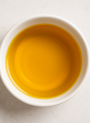
- Organic Oil (75%) + Essential Oil (10%): This forms your oil phase. A base of organic oils like Jojoba Oil (Product ID 87) is excellent for a cleansing oil as it helps dissolve makeup and dirt well. However, using essential oils at a high concentration of 10% is generally quite high for products applied to the face or body. While the brand you mentioned focuses on essential oils, the typical recommended concentration for use in rinse-off cosmetic products is 1-3% to minimize the risk of irritation or sensitization, especially with certain essential oils that can be more irritating. If you aim for a formula rich in essential oils, you should research the safety data for each specific essential oil and consider reducing the concentration, increasing the organic oil percentage accordingly.
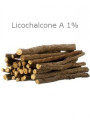
- Licorice Extract (Licochalcone A 1.5%): The Licochalcone A type of Licorice Extract you mentioned (Product ID 69) is water-soluble according to the product information. Adding a water-soluble ingredient directly to a base that is primarily oil and oil/water-soluble surfactant will likely cause the extract to not dissolve properly and potentially separate. If you want to include licorice extract in an anhydrous (water-free) oil cleansing formula, you should choose an oil-soluble version, such as Glycyrrhizic acid (Oil Soluble Licorice Extract) (Product ID 127336). Alternatively, if you insist on using the water-soluble type, you would need to modify your formula to include a water phase and use an appropriate emulsifier to bind the water and oil phases together, which would make the formulation more complex and require a preservative.
Phenoxyethanol vs. Vitamin E
- Phenoxyethanol (Product ID 155) is a preservative. Its function is to inhibit the growth of bacteria, mold, and yeast. It is necessary for formulas that contain water or are likely to be contaminated with water during use to prevent product spoilage and ensure safety.
- Vitamin E (e.g., dl-alpha tocopherol, Product ID 135) is an antioxidant. Its primary function in this formula would be to help prevent the oils from going rancid, extending their shelf life. It does not protect against microbial growth.
Therefore, if your formula contains water (e.g., from a water-soluble licorice extract) or is expected to be exposed to water contamination (which is highly probable for a wash-off product used in a bathroom), you must use Phenoxyethanol or another suitable preservative for product safety. Using Vitamin E alone is not sufficient to protect against microbial contamination.
Polysorbate 80 (Tween 80)
Polysorbate 80 (Product ID 176) is another surfactant/solubilizer with properties similar to PEG-7 Glyceryl Cocoate (Coco Wash™). It helps oils mix with water and rinse off. You can use Polysorbate 80 instead of or in combination with Coco Wash™ in your cleansing oil formula, depending on the desired cleansing and rinse-off properties.
Mixing Steps
For an anhydrous cleansing oil formula using oil/water-soluble surfactants (like Coco Wash™ or Polysorbate 80), the mixing steps are relatively simple:
- Combine all the organic oils.
- Add the surfactant (Coco Wash™ or Polysorbate 80) and Vitamin E (if used as an antioxidant) to the oil mixture. Stir well until uniformly mixed.
- Add the essential oils and stir to combine.
- If using an oil-soluble extract (like Glycyrrhizic acid), add it at this stage and stir until dissolved.
- If your formula includes a water phase and preservative (like Phenoxyethanol), you would typically prepare the water phase separately and then slowly add the water phase to the oil phase while continuously stirring, or use an appropriate emulsifier to bind the two phases (which is more complex than a purely oil-based formula).
Based on your proposed formula, if you omit the water-soluble Licorice Extract, the formula is purely oil-based with a surfactant. The mixing would involve combining all ingredients and stirring until well mixed.
Additional Question about Cera Alba (White Beeswax)
Cera Alba, or White Beeswax, is a natural wax used to thicken or solidify oil-based products like balms or solid perfumes.
Using beeswax to melt essential oils on a stove is not a recommended method for diffusion. Essential oils are volatile compounds that evaporate at relatively low temperatures. Heating them strongly on a stove with beeswax would likely cause the essential oils to evaporate quickly, potentially alter their properties, and could pose a safety risk.
More appropriate and safer methods for diffusing essential oils include:
- Using an electric diffuser (ultrasonic or nebulizing).
- Using a ceramic oil burner with a tea light candle, designed for essential oils mixed with a little water or carrier oil.
- Adding drops to absorbent materials like cotton balls or diffuser stones.
Regarding your concern about paraffin toxicity, paraffin wax is different from beeswax. Food-grade paraffin wax is generally considered safe for its intended uses. However, if you prefer to avoid paraffin, beeswax is a good natural alternative for solidifying oils, but it is not used for diffusing essential oils by melting on a stove.
I hope this information is helpful. Please feel free to ask if you have any further questions.
Related Products Mentioned
Jojoba Oil (Golden - Deodorized)
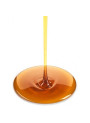
Vitamin E (dl-alpha tocopherol)
Phenoxyethanol (Extra Pure)
Polysorbate 80 (Tween 80)