Formulating Clear, Smooth Deodorant Stick with Sodium Stearate
Question
Seeking advice on formulating a clear, smooth deodorant stick using Sodium Stearate as the gelling agent. The formula contains water, humectants, approximately 8% fragrance, and 5.5% other oils. What emulsifiers or dispersing agents can be used to effectively incorporate the oil and fragrance phases to achieve clarity and a smooth texture?
Answer
Deodorant Stick Formulation with Sodium Stearate
To create a clear, smooth deodorant stick using Sodium Stearate with water, humectants, 8% fragrance, and 5.5% other oils, Sodium Stearate acts as the primary gelling agent.
Achieving clarity and smoothness in a system containing both water and oil/fragrance phases requires careful formulation. While Sodium Stearate forms the gel structure, incorporating the oil and fragrance phases smoothly is crucial for clarity and preventing cloudiness or separation.
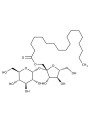
Ingredients that can help emulsify or disperse the oil and fragrance uniformly throughout the water-based gel matrix are beneficial. Emulsifiers like Sorbitan Stearate or Sucrose Stearate could potentially aid in blending the oil and fragrance components into the Sodium Stearate gel base, contributing to a more homogeneous and potentially clearer stick.
Ultimately, the clarity and smoothness will depend on the precise ratio of Sodium Stearate to the water and humectant phases, the effective incorporation of the oil and fragrance (possibly with the help of emulsifiers), and the manufacturing process, including heating and cooling rates.
Updated Review: May 2026
This section was added after reviewing the original answer against current product availability and formulation knowledge at the stated point in time.
Update 2026-05-24
For a clear Sodium Stearate deodorant stick, the fragrance/oil phase should be solubilized first, not only emulsified or dispersed. Because this formula contains about 8% fragrance plus 5.5% other oils, the lipophilic phase is relatively high; clarity will depend strongly on the fragrance/oil blend’s compatibility with the water-humectant-Sodium Stearate gel.
For first trials, use a clear solubilizer such as PEG-40 Hydrogenated Castor Oil or Eco Solve™ as the main compatibilizer for the fragrance/oil phase. Pre-mix the fragrance and oils with the solubilizer until uniform or clear, then add this premix into the heated Sodium Stearate gel base while the base is still fluid.
Sorbitan Stearate can help bind oil in some formulas, but it is a low-HLB emulsifier and may cause haze or may not maintain transparency in this type of water/humectant Sodium Stearate stick. Sucrose Stearate, especially higher-HLB grades, may still be trialed as an O/W-supporting emulsifier, but it should not be assumed to make 8% fragrance plus 5.5% oils transparent without testing.
The exact solubilizer level cannot be fixed without testing because each fragrance has different polarity and solubilizer demand. At 8% fragrance, also check IFRA compliance, allergen declaration requirements, skin irritation risk, final pH, stick hardness, clarity, sweating, fragrance bleed, and heat/cold stability before production.
References: Harry’s Cosmeticology, 9th ed.; Handbook of Cosmetic Science and Technology, 4th ed.; Surfactants in Cosmetics, 2nd ed.; IFRA Standards framework.
Related Products Mentioned
Sodium Stearate (Powder, 10-15% Water)
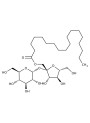
Sucrose Stearate (HLB 15)
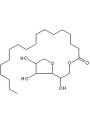
Sorbitan Stearate (eq. Span 60)
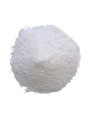
Sodium Stearate (Powder, 1-5% Water)
Eco Solve™ (Clear, Powerful Solubilizer)
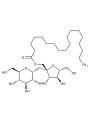
Sucrose Stearate (HLB 16)