Formulating Clear Water-Based Gel with 5% Vitamin E Acetate
Question
I am trying to create a clear water-based gel containing 5% Vitamin E Acetate (Tocopheryl Acetate). I have tried using Laureth-23 and Polysorbate 20 (Tween 20) but haven't achieved the desired clear texture. What is the best way to formulate a clear gel with this high concentration of Vitamin E Acetate, and are Laureth-23 or Polysorbate 20 suitable for this purpose?
Answer
Formulating Vitamin E Acetate in a Clear Water-Based Gel
Adding oil-soluble Vitamin E Acetate (Tocopheryl Acetate) at a high concentration like 5% into a clear water-based gel requires a suitable solubilizer, not an emulsifier or cream maker. Emulsifiers are typically used to create opaque emulsions (like creams or lotions) by binding oil and water phases, and many require heat.
Regarding the ingredients you mentioned:
- Laureth-23: This is an emulsifier primarily used for creating creams and lotions, and it requires heating to melt. It is not suitable for creating a clear water-based gel.
- Polysorbate 20 (Tween 20): This is a solubilizer that can help disperse oils in water. However, at higher concentrations of oil-soluble ingredients like 5% Vitamin E Acetate, Polysorbate 20 may result in a cloudy or opaque gel, not a clear one.
To achieve a clear water-based gel with oil-soluble ingredients, high-performance solubilizers are recommended. Products like Flora Solve™ Clear or Ultra Solve™ are designed for this purpose, effectively dissolving oils (including oil-soluble vitamins like Vitamin E Acetate) in water or gel bases while maintaining clarity.
- Flora Solve™ Clear: An effective and economical option for solubilizing oils and fragrances in water/gel while keeping it clear.
- Ultra Solve™: A more potent solubilizer, suitable for dissolving a wider range of oils, including potentially more challenging ones like Vitamin E Acetate at higher percentages.
The amount of solubilizer needed depends on the specific oil-soluble ingredient and its concentration. A common starting ratio is 2-5 parts solubilizer to 1 part oil. For 5% Vitamin E Acetate, you would likely need a significant amount of solubilizer (e.g., 10-25% or even more), which can impact the texture and feel of the final gel.
Important Consideration for 5% Vitamin E Acetate:
As noted by other formulators, Vitamin E Acetate, especially at concentrations above 1%, can feel quite sticky on the skin and may not absorb well. Using 5% in a gel could result in a very tacky product. It is strongly recommended to start with a lower concentration, such as 1%, to assess the texture and skin feel before attempting higher percentages.
Gel Maker:
For the gel base itself, a suitable gel maker like Pro Polymer™ can be used. However, be aware that incorporating a significant amount of oil-soluble active and solubilizer might affect the clarity of the final gel, potentially resulting in a translucent or opaque appearance rather than perfectly clear, even with a solubilizer designed for clarity.
In summary: Avoid Laureth-23 and likely Polysorbate 20 for a clear gel. Consider using Flora Solve™ Clear or Ultra Solve™ as the solubilizer for the Vitamin E Acetate. Be prepared to use a high ratio of solubilizer to Vitamin E Acetate and carefully consider reducing the Vitamin E Acetate concentration to avoid stickiness.
Related Products Mentioned
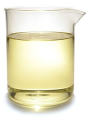
Vitamin E (Tocopheryl Acetate)
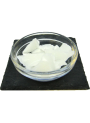
Laureth-23
Polysorbate 20 (Tween 20)
Pro Polymer™ (Gel Maker)