Formulating Cream Base with Soy Lecithin: Amount and Emulsification Issues
Question
I am interested in using Soy Lecithin as a natural emulsifier to make a cream base, specifically aiming for hydration and skin brightening. I want to make a batch of 300g and would like to know how many grams of Soy Lecithin I should use for this quantity?
I recently tried making a cream using the following formula, but it did not emulsify well until I added Pro Polymer:
1. Soy Lecithin: 3%
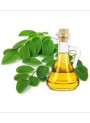
2. Moringa Oil (Cold Pressed): 10%
3. Double Hyaluron Liquid: 5%
4. Safe B3: 5%
5. GlucoBright: 4%
6. Water: 72%
7. Preservative: 1%
Could you please advise on the correct amount of Soy Lecithin for a 300g base and explain why my trial formula did not emulsify properly with Soy Lecithin alone?
Answer
Formulation Advice
Thank you for sharing your formulation attempts and questions. Let's address each formula:
First Formula (using Any Gel)
You mentioned that your gel was watery after dividing the water and adding Any Gel to the heated portion. The correct method for hydrating Any Gel is to use the entire water amount at once.
- Correct Mixing Method for Any Gel: Heat the total amount of water (67% in your formula) to 70-80°C. Slowly sprinkle the Any Gel powder onto the surface of the heated water while stirring continuously until it is fully dispersed and hydrated. Continue stirring until a smooth gel forms.
- Achieving Thicker Texture: If, after using the correct method with all the water, the gel is still not thick enough, you can increase the percentage of Any Gel slightly in your formula. Always refer to the product's recommended usage rate for guidance on the maximum percentage.
Second Formula (using Soy Lecithin)
You attempted to create a cream with Soy Lecithin and Moringa Oil, but it only emulsified after adding Pro Polymer.
- Usability of Your Cream: The cream you made is usable. The reason it formed a cream texture was primarily due to the addition of Pro Polymer, which acts as a thickener and can help stabilize emulsions, rather than the Soy Lecithin performing as the main emulsifier in a high-water formula.
- Soy Lecithin Limitations: Soy Lecithin is a natural emulsifier but has significant limitations. It works best in formulas with a very low water phase (around 10-15%) and a high oil phase. Your formula had a high water content (72%), which is why Soy Lecithin alone could not create a stable emulsion.
- Making a 300g Base with Soy Lecithin: To make a 300g cream base using Soy Lecithin as the primary emulsifier, you would need to formulate it with a high oil content (around 85-90% oil phase) and a low water content (10-15% water phase). The amount of Soy Lecithin needed would typically be 3-10% of the total formula weight. For a 300g base, this would mean using 9-30g of Soy Lecithin. However, please note that creating a stable, aesthetically pleasing cream with high water content using only Soy Lecithin is generally difficult in practice.
- Alternative for High Water Formulas: If you want to create a cream with a higher water content, it would be more effective to use a different emulsifier specifically designed for oil-in-water emulsions with higher water phases.
We recommend following the correct mixing method for Any Gel for your first formula. For your second formula, the cream you made is safe to use, but if you want to create a stable cream with a higher water content in the future, consider using a different emulsifier. If you still wish to experiment with Soy Lecithin, remember to drastically reduce the water phase and increase the oil phase in your formula.
Related Products Mentioned
Safe-B3™ (Vitamin B3, Niacinamide)
GlucoBright™ (Acetyl Glucosamine)
Pro Polymer™ (Gel Maker)
Double Hyaluron Liquid
Moringa Oil (Refined)

AnyGel™ (Dehydroxanthan Gum)
Sodium Lactate Plus