Formulating Cream for Dry, Aging Skin: Prioritizing Hydration and Barrier Repair
Question
I am developing a cream for facial skin that is dry, flaky, has wrinkles, and dark spots. The user is 35 years old. My initial formula includes:
- Repair Activator
- Matrixyl 3000
- Vitamin C (L-ascorbic acid)
- Safe-B3
- Tranexamic Acid
- Vitamin A
- Vitamin E
- MSH White Absorb
- Grape Seed Oil
- Phenoxyethanol SA
- Light Cream Maker
- Water
I understand that L-ascorbic acid may not be stable in a water-based formula and that addressing dryness is crucial before treating wrinkles and dark spots. Could you provide guidance or a recommended formula that prioritizes hydration and skin barrier repair for this skin type?
Answer
Regarding the formula for dry, flaky skin with wrinkles and dark spots (age 35):
You provided an initial formula including ingredients like Repair Activator, Matrixyl 3000, Vitamin C (L-ascorbic acid), Safe-B3, Tranexamic Acid, Vitamin A, Vitamin E, MSH White Absorb, Grape Seed Oil, Phenoxyethanol SA, Light Cream Maker, and Water.
The staff reviewed the formula and provided valuable feedback:
- Vitamin C (L-ascorbic acid) is not stable in a water-based formula. They recommended removing it or replacing it with Perfect-C 3%.
- The original formula did not sufficiently focus on the primary issue of dry, flaky skin. They emphasized that restoring skin hydration and health is crucial before effectively treating other concerns like wrinkles and dark spots. Unhealthy skin cannot properly absorb beneficial ingredients.
The staff recommended a revised formula focusing on hydration and skin barrier repair:
Recommended Formula:
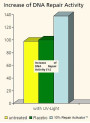
- Repair Activator™: 5%
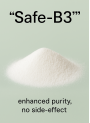
- Safe-B3™ (Vitamin B3, Niacinamide): 5%
- Vitamin E (Tocopheryl Acetate): 1%
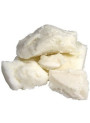
- Shea butter: 10%
- Cetearyl Alcohol: 5%
- Cerasoft™: 3%
- Double Hyaluron Liquid: 3%
- Panthenol (Pro Vitamin B5): 3%
- Mild Preserved Eco: 1%
- Satin Cream Maker: 1.5%
- Water: Rest
Preparation Steps:
- Heat ingredients 4, 5, and 6 to 60-70°C (Oil phase). Mix until combined.
- Mix ingredients 2, 7, 8, 9, and 11 until clear, then add 10. Stir or blend until a smooth, cloudy gel forms. Heat this phase to a temperature similar to the oil phase.
- Add the oil phase into the gel phase and mix until a cream forms.
- Let cool, then add ingredient 1 (Repair Activator™).
The staff also advised checking other products you are currently using, including facial cleansers, to identify and stop any causes of dryness.
There was a follow-up question about adjusting the cream's thickness using Satin Cream Maker. The staff clarified that Cetearyl Alcohol also contributes to thickness and can be increased, and that 1.5% of Satin Cream Maker is sufficient for formula stability, though more can be added for desired viscosity.
In summary, the key recommendation is to prioritize restoring skin hydration and health with the revised formula. Once the skin barrier is healthy, it will be better able to benefit from anti-aging and whitening ingredients in the future.
Related Products Mentioned
Vitamin E (Tocopheryl Acetate)
Safe-B3™ (Vitamin B3, Niacinamide)
Shea Butter (Refined , Deodorised)

Satin Cream Maker™
Double Hyaluron Liquid
Cetearyl Alcohol (50/50, e.q. Lanette O)

Purified Water, TDS Limit 1PPM)