Formulating Cream/Serum for Oily Skin, Acne, and Scars with Specific Ingredients
Question
I have oily skin, acne, and acne scars. I've found that the following ingredients work well for me:
- Zinc PCA
- MSM
- Licorice Extract
- Vitamin B3
- BHA toner with encapsulated salicylic acid
I would like guidance on how to formulate a cream or serum using these ingredients to address oily skin, tighten pores, and reduce acne scars.
Answer
Cream/Serum Formulation for Oily Skin, Pore Tightening, and Acne Scars
For individuals with oily skin, acne, and acne scars, selecting ingredients that help control oil, reduce inflammation, and promote skin cell turnover and collagen production is crucial. The ingredients suggested by user jaojang are a good group with beneficial properties for addressing these concerns.
Here is information about the ingredients you mentioned and guidance on how to use them in a cream or serum formulation:
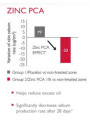
- Zinc PCA: Helps reduce skin oiliness, controls sebum production, and also has properties to accelerate wound healing (like acne scars) and stimulate collagen production. Suitable for acne-prone and oily skin. Recommended usage rate is 0.2-1.0% (for oily skin/acne reduction, 1.0% is recommended). It is highly water-soluble. The formula's pH should be adjusted to the range of 4-6 for optimal effectiveness.
- Pure MSM™ (Methylsulfonylmethane): Helps control oil, reduces oil production from sebaceous glands. It can also help exfoliate skin if used at a high concentration (greater than 3%) and improves skin elasticity. Recommended usage rate is 1-5% (3% for oil control, 5% for exfoliation). It is water-soluble. The pH should be in the range of 3-7. Caution: Should not be used with Vitamin C in the same formula as it may cause Vitamin C to oxidize faster.
- Licorice Extract: Has prominent properties in reducing inflammation, reducing redness from acne, reducing irritation, and helping to control skin oiliness. There are several types, such as:
- Licorice Extract (Licochalcone A 1%, Water-Soluble): Water-soluble type. Usage rate 0.5-3% (recommended 0.5-1.0% for reducing oiliness/acne/inflammation). Suitable for water-based or emulsion formulas. pH should be adjusted to 3.5-6.5.
- Hi-LiconeA™ Licorice Extract (Licochalcone A 20%): High concentration type. Soluble in Glycol, not water. Usage rate 0.1-0.3%. Suitable for formulas containing Glycol. pH should be adjusted to 3.5-6.5.
- Safe-B3™ (Vitamin B3, Niacinamide): High-purity Vitamin B3 with various benefits, including reducing wrinkles, reducing redness/dark spots (hyperpigmentation), adding moisture, strengthening the skin barrier, and helping reduce facial oiliness. Suitable for acne-prone skin. Usage rate 1-10% (5% is recommended). It is highly water-soluble. Optimal pH is 3-8 (best at 4-7).
- Salicylic Acid (BHA): Helps exfoliate skin cells, dissolves clogged pores, and is anti-acne. Available in various forms. For leave-on formulas, choose a type that is water-soluble or soluble in appropriate solvents, such as:
- Salicylic Acid (BHA) powder (ID 148): Not water-soluble. Must be dissolved in Propylene Glycol, Butylene Glycol, or alcohol. Usage rate 0.1-2% (according to FDA regulations).
- Other types of Salicylic Acid that are directly water-soluble, such as Complex Salicylic Acid or Acacia Salicylic Acid, might be easier to use in water-based serum/cream formulas (availability should be checked).
Basic Formulation Guideline:
For oily skin with acne/acne scar concerns, a lightweight serum or cream (Oil-free or Light Emulsion) is recommended, primarily using water-soluble ingredients.
- Choose a Base: Use a water-based base such as Water, Hydrosol, or add Humectants like Glycerin, Butylene Glycol, Propylene Glycol (if using powder Salicylic Acid).
- Add Active Ingredients:
- Zinc PCA: 1.0% (dissolve in water)
- Pure MSM™: 3.0% (dissolve in water)
- Safe-B3™: 5.0% (dissolve in water)
- Licorice Extract (Licochalcone A 1%, Water-Soluble): 0.5-1.0% (dissolve in water) or if using the concentrated type Hi-LiconeA™ (Licochalcone A 20%): 0.1-0.2% (dissolve in Glycol before adding to the formula)
- Salicylic Acid: Choose a type suitable for the base and desired concentration (not exceeding 2% Active Salicylic Acid). If using the powder type (ID 148) must be dissolved in Glycol/Alcohol before mixing.
- Adjust pH: Adjust the formula's pH to a range where the active ingredients are effective and compatible, generally between 4.0-6.0.
- Add Other Ingredients: You may add Humectants, Thickeners (for serum/gel or Emulsifier for cream), Preservatives, and other desired ingredients.
- Mixing Procedure: Generally, divide into Water Phase and Oil Phase (if applicable). Mix ingredients in each phase thoroughly, then combine according to the formula type (e.g., creating an emulsion). Water-soluble active ingredients can be added to the Water Phase or after combining phases in the Cooling Phase (depending on the ingredient's type and stability). Powder Salicylic Acid dissolved in Glycol/Alcohol is added in the Cooling Phase or Oil Phase (if compatible).
Additional Ingredients that May Enhance Effectiveness:
- Ingredients for Acne Scars/Collagen Stimulation: Peptides, Retinoids (should study co-use with BHA), Vitamin C (should be used in a separate formula from MSM).
- Soothing Ingredients: Allantoin, Panthenol (Vitamin B5), Centella Asiatica Extract.
- Additional Oil Control Ingredients: Mattifying agents.
Formulating cosmetics requires an understanding of each ingredient's properties, compatibility, and pH adjustment to achieve an effective and safe formula. It is advisable to start with small batches and test the compatibility of all ingredients.
Related Products Mentioned
Safe-B3™ (Vitamin B3, Niacinamide)
Salicylic Acid (BHA, Pharma Grade)

Pure MSM™ (Methylsulfonylmethane)