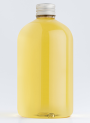
Formulating Cream with Jojoba Oil, Shea Butter, High Concentration Vitamin C, and Lecithin
Question
Could you please provide guidance on formulating a cream using the following ingredients and percentages, including the required temperature/heat and the necessity of a preservative?
- Water (65%)
- Jojoba Oil (10%)
- Shea Butter (25%)
- Vitamin C (15%)
- Lecithin (as emulsifier)
Answer
Formulation Guide: Water, Jojoba Oil, Shea Butter, Vitamin C, and Lecithin
Here is a guide on how to create a formulation using water, Jojoba Oil (10%), Shea Butter (25%), Vitamin C (15%), and Lecithin as an emulsifier, along with information on preservatives and heat requirements.
Vitamin C Consideration
It's important to note the type of Vitamin C you are using. If it is L-ascorbic acid, a concentration of 15% is quite high and typically requires a low pH (below 4.0) for stability and efficacy. Incorporating this into a stable cream emulsion with water and Lecithin can be challenging, as the required low pH might affect the emulsion stability and the compatibility with other ingredients. Stable Vitamin C derivatives like Ascorbyl Glucoside (AA-2G) or Ethyl Ascorbic Acid are generally easier to incorporate into cream formulations with a wider pH range.
Emulsification Process with Lecithin
With a total oil phase of 35% (25% Shea Butter + 10% Jojoba Oil) and a water phase of 65%, Lecithin can be used to create a water-in-oil (W/O) emulsion. While Lecithin can handle high oil percentages, for this ratio (more water than oil), creating an oil-in-water (O/W) emulsion with a different emulsifier might be simpler. However, if you wish to proceed with Lecithin for a W/O emulsion, here are the general steps:
- Prepare the Oil Phase: Combine Shea Butter and Jojoba Oil. Heat this mixture to around 60-70°C to fully melt the Shea Butter and help dissolve the Lecithin.
- Add Lecithin: Add the required amount of Lecithin (typically 3-10% depending on the formula's water content; you may need to experiment to find the right amount for your specific formula) to the heated oil phase and stir until dissolved.
- Prepare the Water Phase: Heat the water phase separately to a similar temperature (around 60-70°C).
- Combine Phases: Slowly add the heated water phase to the heated oil phase while continuously stirring. Use a high-shear mixer if available for better emulsification.
- Cooling and Stirring: Continue stirring the mixture as it cools down. This helps the emulsion form and stabilize.
- Add Heat-Sensitive Ingredients: Once the emulsion has cooled to below 40°C, add the Vitamin C (if using a stable derivative or a pre-dissolved form compatible with the pH) and the preservative.
Heat is required in this process primarily to melt the Shea Butter and facilitate the dissolution of Lecithin in the oil phase.
Preservatives
Since your formulation contains water, a preservative is essential to prevent microbial growth and ensure the product's safety and shelf life. Without a preservative, the product will not be stable for long and can become contaminated. Suitable broad-spectrum preservatives for cosmetic emulsions include:
- Global Guard™ 221 (effective in pH 2-7)
- Mild Preserved™ COS (effective in pH 2-8)
The choice of preservative may also depend on the final pH of your formulation, which is influenced by the type of Vitamin C used.
Shelf Life Without Preservatives
A formulation containing water without a preservative will have a very short shelf life, likely only a few days to a week, even if stored in the refrigerator, before microbial contamination occurs. It is strongly recommended to use a suitable preservative for any water-containing cosmetic product intended for storage and repeated use.
Related Products Mentioned
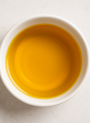
Jojoba Oil (Golden - Deodorized)
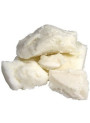
Shea Butter (Refined , Deodorised)
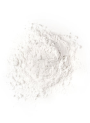
Vitamin C (L-ascorbic acid) (Ultra-Fine)

LecithinGel™