Formulating Dettol-like Disinfectant: Preventing Precipitation
Question
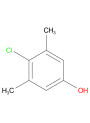
I intend to make a Dettol-like formula (blue crown type) using Chloroxylenol 4.8%.
- How much PEG-40 Hydrogenated Castor Oil should I add?
- What else do I need to add?
Currently, I have tried using only Propylene Glycol 95.2% and Chloroxylenol 4.8%. When diluted with water, it precipitates. What should I do to prevent precipitation?
Answer
Dettol-like Formulation with Chloroxylenol
You are experiencing precipitation when diluting your mixture of Chloroxylenol (4.8%) and Propylene Glycol (95.2%) with water because Chloroxylenol is not directly soluble in water. Propylene Glycol helps dissolve the Chloroxylenol, but the resulting mixture is not miscible with water, causing the Chloroxylenol to come out of solution upon dilution.
To prevent precipitation and create a stable, water-dilutable product similar to Dettol, you need to add a solubilizer or emulsifier system.
Role of PEG-40 Hydrogenated Castor Oil
PEG-40 Hydrogenated Castor Oil is a solubilizer that can help incorporate the Chloroxylenol into a system that can be diluted with water. It works by surrounding the oil-soluble Chloroxylenol molecules, allowing them to disperse evenly in water.
How much PEG-40 Hydrogenated Castor Oil?
The exact amount of PEG-40 Hydrogenated Castor Oil needed will depend on the specific formulation and the desired clarity or stability upon dilution. There isn't a single fixed percentage. You will need to experiment to find the right ratio. A common starting point for solubilizing actives can be a ratio of 1:1 to 1:10 (Chloroxylenol : PEG-40 Hydrogenated Castor Oil), but for 4.8% Chloroxylenol, you will likely need a significant amount of solubilizer, potentially more than the Chloroxylenol itself.
Mixing Method: To use PEG-40 Hydrogenated Castor Oil effectively, first mix the Chloroxylenol with Propylene Glycol and the required amount of PEG-40 Hydrogenated Castor Oil until everything is fully dissolved and clear. Then, slowly add this mixture to the water phase while stirring or blending to create a stable solution or microemulsion.
Other Necessary Ingredients
Replicating a Dettol-like product requires more than just Chloroxylenol, Propylene Glycol, and a solubilizer. A typical formula includes:
- Emulsifier/Soap: This is crucial for creating the characteristic cloudy (microemulsion) effect when diluted with water and ensuring long-term stability. Dettol traditionally uses a soap like potassium ricinoleate (formed from castor oil and potassium hydroxide) or other surfactant blends.
- Solvent: Besides Propylene Glycol, Isopropyl Alcohol or Ethanol are often used to help dissolve the Chloroxylenol and other components.
- Pine Oil: Provides the characteristic scent and contributes to the disinfectant properties.
- Water: The base of the final diluted product, but also often present in the concentrate formula in smaller amounts.
- Colorant: To give the product its distinctive color.
Simply adding PEG-40 Hydrogenated Castor Oil might help with initial solubilization, but achieving the stable, cloudy dilution characteristic of Dettol usually requires a more complex emulsifier system, often involving soap.
Creating a stable, effective disinfectant formula requires careful formulation and testing. Using a pre-solubilized form of Chloroxylenol might be simpler if available.