Formulating Eye Care, Daytime Gel for Oily Skin, and Nighttime Gel for Dry Skin
Question
I would like advice on formulating three different cosmetic products:
Eye Area Care: To address dark circles, puffiness, lack of firmness, and sagging under the eyes, which make me look older than my 20 years. I need recommendations for effective ingredients that are easy to formulate.
Daytime Gel for Oily Skin: I want a lightweight, non-sticky gel for oily skin, suitable for hot weather where I experience heat rash/clogged pores. The goals are skin brightening, oil control, and acne support. My initial formula proposal is:
alpha arbutin 2%vit b3 4%N-Acetyl 4%licorice 1%green tea ECEG 5%phenoxyetnal 1%xanthan gam 1%น้ำกลั่น 82%
Should I add any other ingredients?
Nighttime Gel for Dry Skin: I need a deeply moisturizing, 'bouncy' gel to help skin recover from acne treatments and rebalance. My initial formula proposal is:
sodinm latate plus 5%nmaa 5%seakelp 20%ใบบัวบก 5%phenoxyetnal 1%xanthan gam 1%น้ำกลั่น(quantity not specified)
In addition to the specific formulas, I have general questions about the formulation process:
- What is the correct mixing method for these ingredients and formulas?
- Is
phenoxyetnalat 1% sufficient as a preservative? Are there better alternatives? - Are plastic containers suitable for storing these products?
- What is the typical shelf life for these homemade products stored at room temperature? Should they be refrigerated?
- Do I need to adjust the pH of the final products?
Answer
Eye Area Care
For concerns around the eyes like darkness, puffiness, and lack of firmness, the staff recommendation is a good starting point. You can use a combination of these ingredients:
- REGU-AGE: Helps reduce dark circles and puffiness.
- Pep-Eye (Acetyl Tetrapeptide-5): Also targets dark circles and under-eye bags.
- Matrixyl 3000 (Pal-GHK, Pal-GQPR): Stimulates collagen synthesis to improve firmness and reduce wrinkles.
- Vitamin B3 (Safe-B3): Can help with dark circles and overall skin health around the eyes. Use at a concentration of no more than 2% as recommended by the staff.
These ingredients are generally easy to incorporate into a simple serum or gel base.
Daytime Gel for Oily Skin
Your proposed formula is a good attempt! Based on the staff's feedback and ingredient properties, here are some points and suggestions:
- Thickener: Xanthan Gum at 1% can result in a slightly sticky or heavy texture, which you want to avoid for oily skin and a light feel. The staff's suggestion to use a Silicone Gel Base is excellent for a lightweight, non-greasy feel. You would use a pre-made Silicone Gel Base and add your active ingredients to it.
- Green Tea EGCG: The staff recommended reducing or removing Green Tea EGCG at 5% as it might make the texture heavier. You could try reducing it to 1-2% or omitting it for a lighter feel, as its primary benefit here might be antioxidant, which other ingredients can also provide.
- Your Ingredients: Alpha Arbutin (2%), Vitamin B3 (Safe-B3, 4%), N-Acetyl Glucosamine (GlucoBright, 4%), and Licorice Extract (1%) are suitable for brightening, oil control, and helping with acne/inflammation as you intended.
- Revised Approach: Instead of building from water and Xanthan Gum, consider using a Silicone Gel Base. Add your water-soluble active ingredients (Alpha Arbutin, Vitamin B3, N-Acetyl Glucosamine, Licorice Extract, reduced Green Tea EGCG) to a small amount of water first, then incorporate this water phase into the Silicone Gel Base. Add Phenoxyethanol at the end.
Nighttime Gel for Dry Skin
For your nighttime gel aiming for rich moisture and skin recovery, the staff's recommendations are very helpful:
- Sodium Lactate Plus: The staff suggested replacing Sodium Lactate Plus with Liquid Beta Glucan (Beta Glucan 70%). Sodium Lactate Plus has mild exfoliating properties, which might be too much if you are already using acne medication. Liquid Beta Glucan is excellent for soothing and strengthening the skin barrier, which is beneficial for skin recovering from acne treatments.
- Sea Kelp Extract: Reducing Sea Kelp Extract from 20% to 10% is a good idea. While moisturizing, high concentrations can feel sticky or leave a residue, as the staff mentioned.
- Additional Actives: Adding Vitamin B3 (Safe-B3), Vitamin B5 (Panthenol), and N-Acetyl Glucosamine (GlucoBright) as suggested by the staff will significantly boost the formula's ability to hydrate, soothe (especially Vitamin B5 for redness), and improve skin health and radiance.
- Thickener: Similar to the daytime gel, Xanthan Gum might not provide the desired "bouncy" and deeply moisturizing feel. The staff's suggestion of a Double Hyaluronic Gel Base (combining Hyaluronic Acid Standard Molecule and Hyaluronic Acid Small Molecule) is ideal for providing multi-depth hydration and a pleasant, plump texture suitable for dry skin.
- Revised Approach: Use a Double Hyaluronic Gel Base. Add your water-soluble ingredients (Liquid Beta Glucan, reduced Sea Kelp Extract, Vitamin B3, Vitamin B5, N-Acetyl Glucosamine, Centella Asiatica Extract) to the gel base. Add Phenoxyethanol at the end.
General Questions
- Mixing Method: Your general method of adding ingredients to water first is correct for water-soluble components. However, thickeners like Xanthan Gum or Hyaluronic Acid powders require specific dispersion methods (like pre-mixing with glycerin or using high-speed blending/refrigeration) to hydrate properly without clumping. When using pre-made gel bases (Silicone Gel Base, Double Hyaluronic Gel Base), you typically add the water-soluble actives dissolved in a small amount of water to the base and mix well.
- Phenoxyethanol Preservative: Phenoxyethanol is a common and relatively safe preservative. Using it at 1% is within the typical usage rate (0.5-1.0%). It is effective against bacteria but less so against fungi, so sometimes it's combined with other preservatives for broad-spectrum protection. Add it in the final step after your gel or cream is formed and the temperature is below 80°C (ideally below 40°C for sensitive actives). A Challenge Test is always recommended to ensure your specific formula is adequately preserved.
- Plastic Containers: Plastic containers are generally suitable for cosmetic formulations. However, some ingredients or fragrance components can potentially interact with certain types of plastic over time. Glass containers are often considered more stable and inert, but plastic is widely used and acceptable for most formulations, especially for personal use. Ensure the plastic is clean and suitable for cosmetic products.
- Room Temperature Storage & Shelf Life: Storing your finished product at room temperature is generally acceptable if it is properly preserved. The shelf life of a homemade product stored at room temperature can vary greatly depending on the ingredients, cleanliness during preparation, and the effectiveness of the preservative system. With proper preservation (like 1% Phenoxyethanol, confirmed by a challenge test if possible) and good hygiene, a water-based product stored at room temperature away from direct sunlight and heat might last 6-12 months, sometimes longer. Refrigeration can help extend the life of some ingredients and the overall product, but it's not a substitute for proper preservation. Without a challenge test, it's difficult to give an exact shelf life, but being cautious and observing for changes in color, smell, or texture is advisable.
- pH Adjustment: For the ingredients you are using and the recommended bases, adjusting the pH might not be strictly necessary if the final pH falls within the stable range for your ingredients (e.g., Phenoxyethanol is stable between pH 2-9, Niacinamide 3-8, Alpha Arbutin 3.5-6.5). However, checking the final pH is good practice, especially if combining many actives, to ensure optimal efficacy and stability. If adjustment is needed, use a dilute acid (like Citric Acid solution) or base (like Sodium Hydroxide solution) carefully.
Hope this helps with your formulations!
Related Products Mentioned
Pal-GHK, Pal-GQPR (eq Matrixyl 3000)
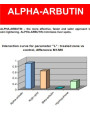
Alpha Arbutin (Switzerland)
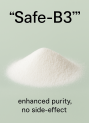
Safe-B3™ (Vitamin B3, Niacinamide)

Sea Kelp Extract
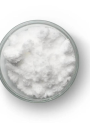
GlucoBright™ (Acetyl Glucosamine)
Phenoxyethanol (Extra Pure)

REGU®-AGE (CB)
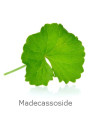
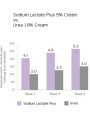
Sodium Lactate Plus
Pure-EGCG™ (Green Tea Extract, 98% EGCG)