Formulating Eye Cream for Dark Circles, Bags, and Wrinkles using Light Cream Maker
Question
I am looking for a formula and method to create an eye cream that helps reduce dark circles, under-eye bags, and wrinkles. I want to use Light Cream Maker™ as the base. Could you recommend suitable active ingredients and provide a detailed mixing procedure, including how to handle ingredients that might affect the cream's texture or stability?
Answer
Suggested Eye Cream Formulation
To create an eye cream targeting dark circles, under-eye bags, and wrinkles using Light Cream Maker as a base, you can follow the staff's advice and add specific active ingredients beneficial for the eye area.
Recommended Active Ingredients
To enhance the efficacy for eye area concerns, consider adding the following active ingredients:
- For reducing eye bags and dark circles (Peptide): We recommend
Pep®-Eye (Acetyl Tetrapeptide-5), a popular peptide used in eye products known for its properties to help reduce puffiness and lessen the appearance of dark circles. - Antioxidant:
Vitamin E (Tocopheryl Acetate)is a good antioxidant that helps protect the skin from damage and supports the effectiveness of other beneficial ingredients. - Moisturizing Agents:
Sodium LactateandGlycerinare excellent humectants. They help keep the delicate skin around the eyes hydrated, which is crucial for minimizing the appearance of fine lines. - Gentle Preservative for Eye Area: Since this product is for the eye area, it's best to use a preservative specifically designed for this sensitive region, such as
Eye Preserved™.
Sample Formula (Adjustable)
Here is a sample formula for 100 grams of eye cream:
- Water (Deionized Water): 84%
- Light Cream Maker™: 1.5% (Can be increased up to 2-3% if a thicker cream is desired or when incorporating electrolytes)
- Glycerin (USP/Food Grade): 5%
- Sodium Lactate (60% Liquid, Natural): 5%
- Pep®-Eye (Acetyl Tetrapeptide-5): 3%
- Vitamin E (Tocopheryl Acetate): 0.5%
- Eye Preserved™: 1%
Mixing Procedure
Mixing with Light Cream Maker™ does not require heat. However, since the formula includes electrolytes (Sodium Lactate and Eye Preserved™) which can reduce the cream's viscosity, follow these steps:
- Water Phase (Phase A): Weigh the Water (Deionized Water) and Glycerin together. Stir until combined.
- Oil + Emulsifier Phase (Phase B): In a separate container, weigh the Vitamin E and Light Cream Maker™. Stir to disperse.
- Combine Phase A and B: Slowly pour Phase B into Phase A little by little while stirring continuously until the mixture starts to thicken into a cream.
- Active + Preservative Phase (Phase C - Electrolyte Phase): In a separate container, weigh the Sodium Lactate, Pep®-Eye, and Eye Preserved™. Stir until well combined.
- Incorporate Phase C into the Cream: Slowly add or drip Phase C into the cream from step 3 little by little, stirring continuously and observing the cream's consistency. If the cream becomes thinner, pause adding Phase C. Add a small amount of additional Light Cream Maker™ (e.g., 0.5% increments) and stir until the cream thickens back up to your desired consistency. Then, continue adding the remaining Phase C. Repeat this step as needed until all of Phase C is incorporated and the cream has the desired thickness.
- Stir the entire mixture well again. You can use a spatula to ensure a smooth, uniform cream.
- Transfer the finished cream into a clean, dry container.
Precautions:
- Light Cream Maker™ can lose viscosity when exposed to high levels of electrolytes. Gradually adding the electrolyte phase (Phase C) and adjusting with more Light Cream Maker™ will help maintain a stable cream texture.
- Always weigh all ingredients accurately.
- Maintain cleanliness of all equipment and containers to prevent contamination.
This formula is a basic example. You can slightly adjust the percentages of the active ingredients based on your preferences and desired results, staying within the recommended usage rates for each ingredient.
Related Products Mentioned
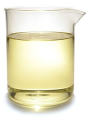
Vitamin E (Tocopheryl Acetate)
Light Cream Maker™
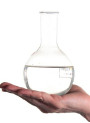
Glycerin (USP/Food Grade)
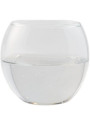
Sodium Lactate (60% Liquid, Natural)