Formulating Gel for Sensitive, Acne-Prone Skin: Stability and Mixing Issues
Question
I am trying to formulate a gel product for sensitive, acne-prone skin that is also dry and irritated from acne medication.
I initially designed a formula using:
- Aloe Vera Gel (Heavy) 89%
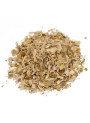
- Willow Bark Extract (Natural Salicylic Acid) 10%
- Mild Preserved Eco™ 1%
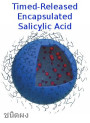
I also tried incorporating Encapsulated Salicylic Acid (Powder, Timed-Release) into a gel base but found that the powder did not dissolve and remained as particles. I attempted to heat it in a microwave to dissolve it, but this did not work.
Based on my skin condition (sensitive, acne-prone, dry, easily irritated by oils/butters/some silicones) and the issues encountered with formulation stability and ingredient mixing, what is the correct approach and what formulas would you recommend?
Answer
It is understandable how frustrating it is to have sensitive, acne-prone skin that is also dry and irritated from strong acne medication. Finding suitable products is indeed a challenge.
Based on your description, your current skin condition is unbalanced, weak, and dry from using acne medication (BHA, Epiduo). However, it still gets oily and easily clogged by certain ingredients, especially oils, butters, and some silicones. The stinging, redness, and increased clogged pores you experienced with some products indicate that your skin is currently very sensitive and its barrier function is compromised.
The main goal right now is to restore the skin barrier, reduce irritation, and provide sufficient moisture without causing clogged pores. Once the skin is stronger, you can then gently address the clogged pore issue.
Regarding the formulations you designed:
Your formula includes several good ingredients for acne, reducing inflammation, and moisturizing, such as Willow Bark Extract, Safe B3, Licorice Extract, Calendula Extract, Sodium Lactate Plus, and Ectoin. However, combining many active ingredients at relatively high concentrations (e.g., Willow Bark 10%, Ichthammol 5%, Hi-Quercetin 10%) might be too much for skin that is currently very weak and easily irritated. This could be one reason for the allergic reaction or irritation you experienced previously. Using an oil-free Aloe Vera Gel (Heavy) base is a good choice given your sensitivity to oils/butters. The mixing method you described (adding ingredients to the base) is generally correct for a simple gel base.
Regarding the Staff Recommended Formula and the Issues You Encountered:
The formula recommended by the staff focuses on skin barrier repair and reducing irritation, which is the right approach for your skin condition. Ingredients like Ezerrawax, German Chamomile Extract, Ectoine, Phospholipid, Panthenol, Beta Glucan, Rhamnose, Safe-B3, Ceramide NG, Licorice Extract have beneficial properties for soothing, strengthening the barrier, and moisturizing.
The stinging you experienced when using this formula (even after removing Ezerrawax and Ceramide NG) could be due to:
- Extremely Weak Skin: Skin that is already dry and easily irritated might be sensitive to certain ingredients, even those that are typically non-irritating on normal skin.
- Concentration of Ingredients: Even with fewer ingredients, the concentration of some (like Safe-B3 at 5%) might still be too high for skin that is currently very reactive.
Regarding the Encapsulated Salicylic Acid (Powder, Timed-Release) Issue:
It is normal for the Encapsulated Salicylic Acid powder not to dissolve and remain as particles when mixed. This ingredient is designed to "disperse" in the product, not "dissolve." Heating it (like in a microwave) will break the encapsulation, causing the Salicylic Acid to be released all at once, which can lead to severe irritation. The formula you heated is unfortunately not usable.
The correct way to mix Encapsulated Salicylic Acid is to gradually sprinkle the powder into the gel or cream base and mix or blend (without heat and not too fast) until the powder is evenly dispersed throughout the product.
Recommended Approach and Formulas for Your Skin:
During this period when your skin is weak and easily irritated, the focus should be on nourishing and soothing the skin, while strictly avoiding ingredients that might cause irritation or clogged pores. It's best to use simple products with fewer ingredients, emphasizing properties that strengthen the skin barrier, reduce inflammation, and provide moisture without feeling heavy or greasy.
I recommend two gel formulations focusing on gentleness and hydration, using an Aloe Vera Gel Base, which you know works for you.
Formula 1: Soothing & Hydrating Gel (Use Morning and Night)
This formula focuses on providing moisture, reducing irritation, and strengthening the skin barrier. It's suitable for daily use to help your skin recover.
- Aloe Vera Gel (Lite) - 88%
- Panthenol (Pro Vitamin B5) - 3%
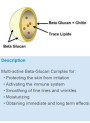
- Beta Glucan (Saccharomyces cerevisiae extract) - 3%
- Rhamnose - 2%
- Ectoin - 1%
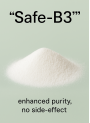
- Safe-B3™ (Vitamin B3, Niacinamide) - 2%
- Mild Preserved Eco™ - 1%
Mixing Instructions:
- Weigh all ingredients according to the desired total amount (e.g., for 50g, use 88% of 50g for Aloe Vera Gel Lite, 3% of 50g for Panthenol, etc.).
- Add all ingredients (Panthenol, Beta Glucan, Rhamnose, Ectoin, Safe-B3, Mild Preserved Eco) into the Aloe Vera Gel (Lite) base.
- Stir or blend at low to medium speed until all ingredients are well combined and the gel is smooth and uniform (no heat needed).
Formula 2: Gentle Anti-Acne Gel (Use Only at Night, Alternate with Epiduo)
This formula uses Willow Bark Extract, which has natural Salicylic Acid, to gently exfoliate and help with clogged pores. It also includes Licorice Extract for anti-inflammatory benefits.
- Aloe Vera Gel (Lite) - 93%
- Willow Bark Extract (Natural Salicylic Acid) - 5%
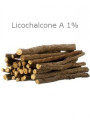
- Licorice Extract (Licochalcone A 1%) - 1%
- Mild Preserved Eco™ - 1%
Mixing Instructions:
- Weigh all ingredients according to the desired total amount.
- Add all ingredients (Willow Bark Extract, Licorice Extract, Mild Preserved Eco) into the Aloe Vera Gel (Lite) base.
- Stir or blend at low to medium speed until all ingredients are well combined and the gel is smooth and uniform (no heat needed). Willow Bark Extract might slightly thin the gel, which is normal.
How to Use:
- Morning: Cleanse with a gentle cleanser > Apply Soothing & Hydrating Gel (Formula 1) > Apply your non-irritating sunscreen.
- Night: Remove makeup/sunscreen with cleansing water > Cleanse with a gentle cleanser.
- Night 1: Apply a thin layer of Epiduo (as you currently do) > Wait a moment for it to absorb > Apply Soothing & Hydrating Gel (Formula 1) over it.
- Night 2: Apply a thin layer of Gentle Anti-Acne Gel (Formula 2) > Wait a moment for it to absorb > Apply Soothing & Hydrating Gel (Formula 1) over it.
- Alternate between Night 1 and Night 2.
Additional Precautions:
- In the initial phase when your skin is very weak, if you feel stinging or irritation from the Soothing & Hydrating Gel (Formula 1), try reducing the concentration of Safe-B3 to 1% or consider making a batch without Safe-B3 initially, until your skin barrier improves.
- If you use the Gentle Anti-Acne Gel (Formula 2) and still experience significant irritation, reduce the frequency of use or lower the concentration of Willow Bark Extract further.
- Strictly avoid products containing oils, butters, or silicones that have caused you to break out or clog in the past.
- Restoring a compromised skin barrier takes time and patience. Focus on gentle and consistent care.
I hope these recommendations and formulas are helpful. Wishing you healthier skin soon!
Related Products Mentioned
Safe-B3™ (Vitamin B3, Niacinamide)
Pro Polymer™ (Gel Maker)
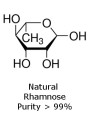
Rhamnose (rhamnose sugar)
Aloe Vera Gel (Lite)
Mild Preserved Eco™ (Preservative-Free)