Formulating Gentle, Low-Chemical, Waterproof Mascara
Question
I am looking for a formulation guideline to create a mascara that is gentle on the eyes, contains minimal chemicals, and is waterproof. Could you provide information on the types of ingredients typically used in such a formula, focusing on options that are gentle and have fewer synthetic chemicals, while still achieving waterproof properties?
Answer
Gentle, Low-Chemical Waterproof Mascara Formulation (Guideline)
Creating a precise, ready-to-use formula for mascara, especially one that is gentle, low-chemical, and waterproof, is a complex task requiring specialized formulation expertise and rigorous testing for safety and performance around the eyes. However, we can outline the key types of ingredients typically found in waterproof mascara, highlighting options that align with your request for gentleness and fewer synthetic chemicals.
A waterproof mascara formula generally includes:
- Waxes: Essential for providing structure, thickness, and forming the waterproof barrier on the lashes. For a more natural approach, plant-derived waxes are often preferred.
- Examples: Carnauba Wax, Candelilla Wax, Beeswax, Sunflower Wax.
- Oils and Emollients: Help to disperse pigments, ensure smooth application, and condition the lashes.
- Examples: Jojoba Oil, Hydrogenated Castor Oil (which acts as a hardening wax and coating agent derived from oil).
- Pigments: Provide color. Mineral pigments are commonly used.
- Example: Black Iron Oxides (CI 77499) are popular black pigments for mascara.
- Film-formers: These ingredients create a flexible film that helps the mascara adhere, prevents smudging, and enhances waterproofing. Finding natural film-formers with strong waterproof performance comparable to synthetic polymers can be challenging.
- Solvents/Carriers: Help dissolve or disperse waxes and pigments for smooth application before evaporating. Traditional waterproof mascaras often use volatile synthetic solvents, which might not fit a "low-chemical" profile.
- Thickeners/Stabilizers: Help achieve the desired consistency and prevent separation. Some natural options like certain starches or gums can be used.
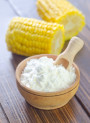
- Example: Waxy Corn Starch.
- Emulsifiers: If the formula is an emulsion (contains both oil and water phases), emulsifiers are needed to bind them. Some natural or naturally derived emulsifiers are available.
- Example: Emulsifying Beeswax.
- Preservatives: Absolutely critical for eye products to prevent microbial contamination, which can lead to serious eye infections. Selecting an effective yet gentle preservative system is paramount for eye safety.
Approach for a Gentle and Lower-Chemical Formula:
- Prioritize natural waxes like Carnauba Wax, Candelilla Wax, Beeswax, and Sunflower Wax.
- Use natural oils such as Jojoba Oil for conditioning.
- Utilize mineral pigments like Iron Oxides.
- Identifying natural film-formers that provide robust waterproofing comparable to synthetic options is a key challenge in natural formulations.
- Selecting a gentle but highly effective broad-spectrum preservative system is vital for eye safety.
Considerations for "Waterproof" and "Minimal Chemicals":
Achieving high-performance waterproofing often requires certain film-formers and solvents that may not be considered "minimal chemicals" by some definitions. A formula focusing heavily on natural ingredients might offer water resistance rather than complete, long-lasting waterproofing.
Furthermore, "minimal chemicals" is a relative term; all cosmetic ingredients are chemicals. The aim is typically to avoid certain synthetic ingredients or favor naturally derived ones. However, preservatives are absolutely necessary in eye products to prevent dangerous microbial growth.
Related Products Mentioned
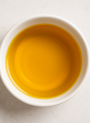
Jojoba Oil (Golden - Deodorized)
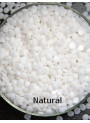
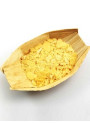
Carnauba Wax (Flake, Melting 80C)
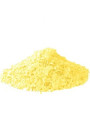
Candelilla Wax (Refined, Melting 70C)
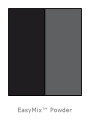
Black Iron Oxides EasyMix™

Sunflower Wax
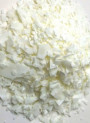
Myristyl Alcohol