Formulating High-Viscosity, Slow-Drying Gel with Herbal Extracts
Question
I want to create a gel with high viscosity that dries slowly. I also want to add some herbal extracts. I'm not sure what ratio I should use for the ingredients and if there are any other considerations. If I mix in vitamins and some herbal extracts, will it reduce the stability? Can this type of gel penetrate the skin?
Answer
High Viscosity, Slow-Drying Gel and Adding Herbal Extracts
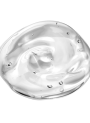
To create a high-viscosity, slow-drying gel, you can use a gelling agent in combination with humectants and solvents.
Recommended Key Ingredients
Gelling Agent:
- Carbomer 940: A popular gelling agent that provides clear, high-viscosity gels. However, it is sensitive to electrolytes and acidity (pH below 5). It requires an alkaline substance like Triethanolamine to neutralize and form the gel.
- Carbomer Ultrez 30: Another option that provides clear, easy-to-use gels and is more tolerant to electrolytes than Carbomer 940. It can be used in a wider pH range (4-12).
Usage Rate for Gelling Agent: Typically used at a rate of 0.1-3%, depending on the desired viscosity.
Humectant and Solvent:
- Glycerin: Helps to attract and retain moisture on the skin, making the gel dry slower. It is also a good solvent, helping other ingredients mix well. It can be used at a rate of 1-100% (but not recommended for direct application at very high concentrations).
- Propylene Glycol: Acts as a lubricant, viscosity reducer, solvent, and humectant. It helps with formula stability and mixes easily. It also contributes to the slow-drying property and can help dissolve ingredients. It can be used at a rate of 1-20% (not exceeding 50%).
Using Glycerin and Propylene Glycol together will enhance the slow-drying property of the gel and improve the dissolution of various ingredients.
pH Adjuster (for Carbomer 940):
- Triethanolamine 99%: Used to adjust the pH of Carbomer 940 to alkaline (pH 6-7) for gel formation. Used at a low rate, approximately 0.1-2.5%.
Adding Vitamins and Herbal Extracts
Adding vitamins and herbal extracts to a gel formulation can affect the stability and viscosity of the gel, especially if these substances are acidic, charged (electrolytes), or contain certain compounds that react with the gelling agent.
- Impact on Stability: Some vitamins (e.g., Vitamin C) and certain herbal extracts are sensitive to pH, light, or heat. Adding them to a gel formula might cause them to degrade faster. You should check the properties of the ingredients you plan to add and choose an appropriate gelling agent, such as Carbomer Ultrez 30, which is more tolerant to electrolytes than Carbomer 940.
Impact on Viscosity: High electrolyte substances can cause gels formed with Carbomer 940 to lose viscosity. If you intend to add ingredients with high electrolytes, consider using Carbomer Ultrez 30 or other electrolyte-tolerant gelling agents.
Usage Rate:* The usage rate for vitamins and herbal extracts depends on the type and desired concentration in the final product. It is advisable to start with low concentrations and test the stability and viscosity of the resulting gel.
Skin Penetration
A gel made with Carbomer gelling agents along with Glycerin and Propylene Glycol can help deliver some active ingredients into the skin to a certain extent. Glycerin and Propylene Glycol assist in dissolving and carrying substances. However, the depth of penetration and effectiveness will depend on:
- Molecular Size of the Active Ingredient: Smaller molecules generally penetrate the skin better.
- Properties of the Active Ingredient: Substances that are soluble in water or oil and have suitable properties for passing through the skin layers.
- Other Ingredients in the Formula: Other components in the formula might help enhance penetration, such as ingredients that help open up spaces between skin cells.
In summary, to create a high-viscosity, slow-drying gel, you can use Carbomer with Glycerin and Propylene Glycol. When adding vitamins and herbal extracts, you must consider their potential impact on stability and viscosity and choose a gelling agent suitable for the added ingredients. Regarding skin penetration, the gel can help deliver substances, but the effectiveness depends on the type of active ingredient and other components in the formula.
Related Products Mentioned
Propylene Glycol (USP)
Triethanolamine 99%
Glycerin (USP/Food Grade)