Formulating Mixing Medium Primer for Long-Wear and Waterproofing
Question
Based on the NYX Mixing Medium ingredient list and staff suggestions, I have the following questions regarding formulating a mixing medium primer for waterproofing and long-wear:
- Which film former is more suitable for achieving long-wear in a mixing medium: Polyester Film (Water Resistant, Hard) or Silicone Film (Medium-Wear, Soft)? If I omit Silicone Film (Long-Wear, Hard, Isododecane Base), will it significantly reduce the long-wear effect?
- If I omit Silicone Film (Long-Wear, Hard, Isododecane Base), is Isododecane still necessary? What should be the base of the mixing medium? Is Light Cream Maker considered the base?
- Could you provide a suggested formula and mixing instructions for a mixing medium primer that offers long-wear, waterproofing, and oil absorption (using MatteSilica)?
Answer
Hello! Thank you for your inquiry about creating a mixing medium primer for waterproofing and long-wear.
Regarding your questions:
Polyester Film vs. Silicone Film for Long-Wear: Based on the properties, Polyester Film (Water Resistant, Hard) (Product ID 1229) is primarily designed for high water resistance, suitable for products like mascara where strong waterproofing is needed. While water resistance contributes to makeup longevity, Silicone Film formers are typically used to create a flexible film that helps makeup adhere to the skin and provides long-lasting wear. The staff's recommendation of Silicone Film (Medium-Wear, Soft) (Product ID 1114) as a film former suggests that a silicone film is beneficial for the long-wear property in a general mixing medium. Therefore, relying solely on Polyester Film might provide water resistance but may not offer the same level of long-wear as incorporating a suitable silicone film former. Removing the Silicone Film (Long-Wear, Hard, Isododecane Base) (Product ID 1311) would likely reduce the overall long-wear effect compared to using a silicone film former.
Isododecane and Base: If you omit the Silicone Film (Long-Wear, Hard, Isododecane Base) (Product ID 1311), then Isododecane (Product ID 228), which acts as a base/solvent for it, can also be omitted. Regarding the base for your mixing medium, based on the NYX ingredient list and the staff's suggestions, a water-based emulsion is a suitable approach. Light Cream Maker is an emulsifier, not a base on its own. It is used to combine the water phase and the oil/silicone phase to form a stable emulsion, which then acts as the base for your product. You can use Light Cream Maker or the staff-recommended Milk Lotion Maker (Product ID 1040) as the emulsifier in a water-based formula containing other ingredients like silicones and emollients.
Suggested Formula and Mixing Instructions: Based on the staff's recommendations derived from the NYX formula, and incorporating your interest in oil absorption with MatteSilica, here is a suggested starting formula:
- Water: 76.8%
- Silicone Film (Medium-Wear, Soft) (Product ID 1114): 5%
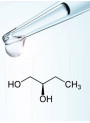
- Butylene Glycol (Product ID 320): 5%
- Isohexadecane (Product ID 1044): 5%
- Milk Lotion Maker (Product ID 1040): 5%
- MatteSilica™ (Silica) (Product ID 518): 2%
- Tocopheryl Acetate (Vitamin E) (Product ID 65): 0.1%
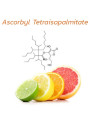
- Ascorbyl Tetraisopalmitate (Product ID 499): 0.1%
- Mild Preserved Eco (Product ID 1001): 1%
Mixing Instructions (General for Emulsion):
- Combine the Water, Butylene Glycol, and Mild Preserved Eco in a container (Water Phase). Mix until dissolved.
- In a separate container, combine the Silicone Film (Medium-Wear, Soft), Isohexadecane, Milk Lotion Maker, Tocopheryl Acetate, and Ascorbyl Tetraisopalmitate (Oil/Silicone Phase). Add the MatteSilica to this phase and disperse it well, ensuring no clumps.
- Slowly add the Oil/Silicone Phase to the Water Phase while mixing continuously and thoroughly with a suitable mixer (e.g., a small homogenizer or high-shear mixer is ideal for emulsions, but a strong stirrer can work for small batches).
- Continue mixing until a smooth, homogeneous emulsion is formed.
This formula provides film-forming for long-wear and some water resistance, emollients for feel, oil absorption from silica, and antioxidants/preservation. You can adjust the percentages based on your desired texture and performance after testing.
We hope this information is helpful for your formulation!
Related Products Mentioned
Vitamin E (Tocopheryl Acetate)
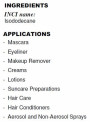
Isododecane (Germany)
Butylene Glycol
MatteSilica 5™ (5 Micron)
Mild Preserved Eco™ (Preservative-Free)

Milk Lotion Maker™
Isohexadecane
Silicone Film (Medium-Wear, Soft)