Formulating Natural Shampoo with Fractionated Coconut Oil
Question
I want to formulate an affordable natural shampoo using cold-pressed Fractionated Coconut Oil. How can I incorporate Fractionated Coconut Oil into a natural shampoo formula? Is it possible to use a high percentage of oil, and what are the challenges? Could you provide a sample formula using a sulfate-free base and suggest alternative natural surfactants?
Answer
Natural Shampoo Formula with Coconut Oil
You're looking to create an affordable, natural shampoo using your cold-pressed Fractionated Coconut Oil. It's a great goal!
As discussed, incorporating a high percentage of oil directly into a shampoo is challenging because shampoo is designed to cleanse away oils. Too much oil can leave hair feeling unclean and make the formula unstable. However, you can definitely include Fractionated Coconut Oil at a lower percentage to provide conditioning and emollient benefits without compromising cleansing performance.
Here is a sample natural shampoo formula using a sulfate-free base that can incorporate your Fractionated Coconut Oil:
- Sulfate Free Shampoo Base (pH 7, Clear, Foaming): 30-35%
- This provides the main cleansing and foaming action. It's a gentle, sulfate-free option.
- Fractionated Coconut Oil: 0.5 - 2%
- Add your cold-pressed Fractionated Coconut Oil at this level for its nourishing properties. Start with a lower percentage and test.
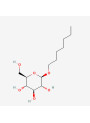
- Heptyl Glucoside: 1 - 4%
- This natural solubilizer helps disperse the Fractionated Coconut Oil evenly throughout the water-based shampoo, preventing separation. The exact percentage needed will depend on the amount of oil used; a ratio of 2:1 or 3:1 (solubilizer:oil) is a good starting point.
- Xanthan Gum: 0.2 - 1%
- A natural thickener to achieve the desired shampoo consistency. Disperse it in water first or use a pre-hydrated form.
- Water: Balance (approx. 55-68%)
- Distilled or deionized water.
- Preservative: 1% (or as recommended by the supplier)
- Essential to prevent microbial growth and ensure product safety and shelf life. Choose a natural-friendly preservative.
Instructions:
- In a container, mix the Sulfate Free Shampoo Base with the Water gently to avoid excessive foaming.
- In a separate small container, mix the Fractionated Coconut Oil with the Heptyl Glucoside until clear and well combined.
- Slowly add the oil/solubilizer mixture from step 2 into the base/water mixture from step 1 while stirring gently. Ensure it is fully incorporated.
- Slowly add Xanthan Gum while stirring or using a low-shear mixer until fully dispersed and the desired thickness is achieved. Allow time for the gum to hydrate fully.
- Add the Preservative and stir gently to combine.
- Check the pH and adjust if necessary (aim for pH 5-6 for optimal hair compatibility and potential conditioning benefits from surfactants like Sodium Lauroyl Sarcosinate if using a blend). The Sulfate Free Shampoo Base is pH 6.5-7.5, so adjustment might be needed depending on other ingredients.
- Allow the shampoo to sit for 24 hours for the viscosity to stabilize.
Alternative Natural Surfactants:
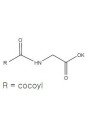
Instead of a pre-made base, you could formulate a shampoo from scratch using a blend of natural surfactants. Options include:
These surfactants are known for their mildness and good foaming properties. Combining them would require careful formulation to achieve the right cleansing, foaming, and viscosity characteristics, along with incorporating the oil using a solubilizer/emulsifier.
This formula provides a starting point. You may need to adjust the percentages of oil, solubilizer, and thickener based on testing to achieve the desired performance and stability.
Related Products Mentioned
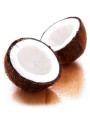
Fractionated Coconut Oil
Sodium Cocoyl Glycinate
Sophorolipid (Natural Surfactant, 50%)
Heptyl Glucoside