Formulating Oil-Free Sunscreen with Titanium Dioxide/Zinc Oxide
Question
I was initially interested in adding Oil Free Titanium Dioxide and Oil Free Zinc Oxide to an Ultra Light Serum. However, I understand that adding physical sunscreens might hinder the penetration of other active ingredients and can cause a white cast. Could you provide guidance on formulating an effective oil-free sunscreen using Oil free titanium dioxide and Oil free zinc oxide, including mixing methods, ingredient compatibility, suitability for acne-prone skin, and how to achieve a good texture? I am particularly interested in understanding the process for both water-based formulas and silicone-based formulas.
Answer
Guide to Formulating Oil Free Titanium Dioxide Sunscreen
Hello! Regarding your questions and concerns about formulating Oil Free Titanium Dioxide sunscreen, I have compiled information and advice from the experts.
Water-Based Formula and Mixing Method
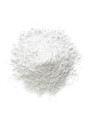
For the water-based formula discussed (Oil free titanium dioxide 20% + Caprylic/Capric Triglyceride 5% + Light Cream Maker 1-2% + remaining Water 73%), the correct mixing steps are:
- Mix the Oil free titanium dioxide with the Caprylic/Capric Triglyceride thoroughly first.
- Add the Light Cream Maker to the mixture of Oil free titanium dioxide and Caprylic/Capric Triglyceride. Stir until well combined.
- Gradually add the remaining water while continuously stirring until a homogeneous cream texture is achieved.
The separation issue you encountered might have been due to not thoroughly mixing the Oil free titanium dioxide with the oil phase (Caprylic/Capric Triglyceride) beforehand, or the amount of Light Cream Maker might not have been sufficient to emulsify all the ingredients.
Water Usage in Formulation
It is recommended to use Distilled Water for formulation due to its high purity, which reduces the risk of contamination from minerals or impurities that could affect formula stability. However, if distilled water is difficult to find and you are making it for personal use, good quality filtered water might be acceptable, but you should be careful about cleanliness and the storage of the finished product.
Suitability for Acne-Prone Skin
This formula is designed to be Oil Free and uses Caprylic/Capric Triglyceride, which is a light, non-greasy emollient and is listed as Non-comedogenic (does not clog pores). Additionally, Oil Free Titanium Dioxide is a Physical Sunscreen, which generally has a lower tendency to clog pores compared to Chemical Sunscreens when formulated correctly and well-dispersed. Therefore, this formula is quite suitable for individuals with acne-prone skin.
Using Silicone Gel Instead of Water
Based on the team's tests, it is possible to mix Oil free titanium dioxide nano into Silicone Gel + Cyclomethicone, and the stability is good. However, mixing by hand might not result in a completely homogeneous texture (small gel lumps may remain). If you desire a smooth, uniform texture, using a homogenizer might be necessary.
However, MySkinRecipes is planning to introduce a new type of Silicone Gel that can be easily mixed by hand, expected to be available around September 1, 2013 (based on conversation history).
A basic formula structure using Silicone Gel instead of water would consist of:
- Oil free titanium dioxide
- Silicone Gel
- Cyclomethicone (adjust amount to control viscosity/fluidity)
The mixing method for the current Silicone Gel (which might require a homogenizer or waiting for the new type) is to mix the Silicone Gel with the Oil free titanium dioxide nano until well combined, then gradually add Cyclomethicone while blending/stirring.
Using More Than 5% Caprylic/Capric Triglyceride
Caprylic/Capric Triglyceride can be used at concentrations up to 100% (it can be applied directly to the skin). Using more than 5% in this sunscreen formula will likely result in a greasier or heavier feel, depending on the total amount used in the formula (including the Oil free titanium dioxide dispersed in oil/silicone). Light Cream Maker can emulsify up to 20% oil in the formula. If the combined percentage of Oil free titanium dioxide dispersed in oil/silicone + Caprylic/Capric Triglyceride exceeds 20%, you might need to consider increasing the amount of Light Cream Maker or using another emulsifier to help stabilize the formula.
Using a digital scale to measure ingredients will help ensure accurate proportions and consistent results in your formulations.
I hope this information is helpful!
Related Products Mentioned
Light Cream Maker™
Fractionated Coconut Oil
Silicone Gel (Ultra Clear, Super Silky)