Formulating Silicone and Electrolyte Rich Creams (O/W, S/W, W/Si) and Nail Care Ingredient Inquiry
Question
I am trying to formulate an O/S/W and S/W cream containing approximately 10% silicone (like Cyclomethicone). The formula also includes electrolytes from:
- Sodium PCA 50% - 5%
- Sodium Lactate (60% Liquid) - 5%
I have tried various cream makers at high concentrations:
- Satin Cream Maker - 3% + Pro Polymer - 3%: Can emulsify silicone but doesn't achieve the desired thickness.
- Silk Cream Maker - 3% + Pro Polymer - 3%: Can emulsify silicone but doesn't achieve the desired thickness.
- HEC - 3% + Satin Cream Maker - 1%: Can emulsify silicone and achieves close to the desired thickness, but causes significant pilling after application.
The formula closest to the desired cream texture uses:
- Butter Cream Maker - 4% + Cetyl Alcohol (Vegetable) - 3% + Cyclomethicone / Cyclopentasiloxane (Low-Odor) - 10%
This formula achieves a texture close to desired after 24 hours, but I am unsure if it effectively emulsifies the silicone or if Satin Cream Maker is necessary to assist with silicone emulsification.
Therefore, I have the following questions:
- Can Butter Cream Maker, Milk Lotion Maker, Laureth-7, or Steareth-2 effectively emulsify silicone/water in this formula, or is Satin Cream Maker needed to assist?
- Can cream makers like Satin Cream Maker, Light Cream Maker, Silk Cream Maker, or Luxury Cream Maker tolerate heat if used together with Butter Cream Maker?
- If I use Easy Cream Maker + Glyceryl Stearate SE, can it emulsify silicone/water?
- Can Aculyn 22 (Acrylates/Steareth-20 Methacrylate Copolymer) at >= 1.25% tolerate the electrolytes in this formula?
- Alternatively, should this formula be changed to a water in silicone system?
I would appreciate any suggestions for alternative emulsifiers or additional recommendations.
Additionally, I am interested in Hydroxypropyl Chitosan (HPCH) for nail care in a hand cream formulation. I couldn't find it on your website. Do you carry this ingredient, or do you have any other recommended active ingredients for nail conditioning?
Apologies for the lengthy question.
Answer
Formulation Advice for Silicone/Electrolyte Creams
Based on your experiments and the ingredients you are using (Sodium PCA 50% at 5% and Sodium Lactate 60% Liquid at 5%, plus 10% silicone like Cyclomethicone), formulating a stable O/W or S/W cream with the desired viscosity and no pilling can be challenging due to the presence of electrolytes and a relatively high silicone percentage.
Here are answers to your specific questions and some recommendations:
Emulsifiers for silicone/water with electrolytes:
- Butter Cream Maker™ (ID 1041) is designed for high electrolyte resistance and can emulsify up to 30% oil. It is a good candidate for your formula, but it requires heating to 70°C and is mixed in the oil phase. It can help stabilize the silicone in the presence of electrolytes.
- Milk Lotion Maker™ (ID 1040) is not electrolyte resistant, so it is not suitable for your formula with Sodium PCA and Sodium Lactate.
- Laureth-7 (ID 1225) and Steareth-2 (ID 5816) are emulsifiers, and Steareth-2 is noted for electrolyte tolerance. However, their descriptions do not explicitly confirm their ability to emulsify 10% silicone in this system. You would likely need to use them in combination with other emulsifiers.
- Satin Cream Maker™ (ID 247) is electrolyte resistant and can co-mingle with silicones up to 20%. It is a heat-free emulsifier mixed in the water phase. This is a strong candidate for your formula, especially if you prefer cold processing.
- Light Cream Maker™ (ID 141) can tolerate electrolytes but may struggle with high concentrations. It can bond silicone up to 10%. Given your electrolyte levels, it might be borderline, as you experienced difficulty achieving desired thickness and pilling with a combination including it.
Heat tolerance of cream makers with Butter Cream Maker™:
- Butter Cream Maker™ requires heating to 70°C. Satin Cream Maker™, Light Cream Maker™, and Silk Cream Maker™ (ID 4303) are designed for cold processing (without heat). Combining a heat-required emulsifier like Butter Cream Maker™ with heat-sensitive polymers like those in Satin, Light, or Silk Cream Makers by heating the entire mixture to 70°C could potentially damage the polymers and negatively affect the stability and texture of the final product, potentially leading to pilling.
Easy Cream Maker™ + Glyceryl Stearate SE for silicone/water:
- Easy Cream Maker™ (ID 533) is explicitly stated to not tolerate electrolytes, making it unsuitable for your formula. Glyceryl Stearate SE (ID 174) is a thickener and self-emulsifying agent that requires heat. While Glyceryl Stearate SE can help with thickening and emulsion stability, using it with Easy Cream Maker™ in a formula with high electrolytes and silicone is unlikely to provide sufficient stability and could contribute to pilling issues.
Aculyn 22 electrolyte tolerance:
- Aculyn 22 (Acrylates/Steareth-20 Methacrylate Copolymer) is a type of polymer used as a thickener and emulsifier. Electrolyte tolerance varies depending on the specific polymer structure. While some polymers in this class are designed to be electrolyte tolerant, without a specific product description for "Aculyn 22" in our database, we cannot definitively confirm its tolerance at 1.25% in your specific electrolyte-rich formula. Pilling can sometimes occur with polymers in the presence of high electrolyte concentrations or incompatibility with other formula components.
Switching to water-in-silicone:
- Given the challenges you are facing with O/W or S/W emulsions due to the high silicone content and electrolytes, switching to a water-in-silicone (W/Si) or water-in-oil (W/O) emulsion could be a viable alternative. These systems are often more suitable for high oil/silicone phases and can sometimes better handle challenging ingredients like electrolytes. This would require using emulsifiers specifically designed for W/Si or W/O emulsions, such as Water-in-Oil Max™ (ID 7334) or potentially utilizing silicone-compatible thickeners/stabilizers like Silicone Blender (ID 736) in conjunction with appropriate W/Si emulsifiers.
Additional Recommendations:
- Consider using Butter Cream Maker™ (ID 1041) or Satin Cream Maker™ (ID 247) as primary emulsifiers due to their electrolyte tolerance and ability to handle silicone. Follow their recommended mixing methods carefully.
- If using a cold-process emulsifier like Satin Cream Maker™, ensure thorough mixing without excessive shear (below 2500 rpm) to avoid damaging the polymer, which can lead to pilling.
- When incorporating electrolytes, it is often best to add them gradually to the emulsified base while mixing to minimize disruption.
- Pilling can also be caused by incompatibility between polymers, high concentrations of film-forming ingredients, or improper mixing. Review your full formula for potential interactions.
Hydroxypropyl Chitosan for Nail Care:
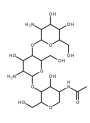
Regarding your interest in Hydroxypropyl Chitosan (HPCH) for nail care, we do have Chito-Film™ (Hydroxypropyl chitosan) (ID 125345) available. Its description highlights properties like biocompatibility, water solubility, film-forming ability, adhesiveness, and moisturizing effects, which are relevant for nail conditioning and protection, although nail care is not specifically listed as an application. We do not have other specific active ingredients primarily marketed for nail treatment in our current selection based on the search.
We hope this information helps you in refining your formulations.
Related Products Mentioned
Light Cream Maker™
Sodium Lactate (60% Liquid, Natural)
Sodium PCA 50%
Cetyl Alcohol
Pro Polymer™ (Gel Maker)

Satin Cream Maker™
Easy Cream Maker™
Silicone Blender
Milk Lotion Maker™
Butter Cream Maker™

Laureth-7
Silk Cream Maker™
Steareth-2

Water-in-Oil Max™