Formulating Skin Brightening Ingredients in Capsules for Topical Use
Question
I want to make skin nourishing capsules using the following ingredients: Glutathione, Alpha Arbutin, Vitamin B3, Vitamin C, and Gluco Bright. How can I formulate these ingredients into a capsule for topical application? What are the considerations for combining these ingredients for topical use, particularly regarding compatibility and stability?
Answer
Hello, thank you for your question.
Based on the product information I have found (Glutathione, Alpha Arbutin, Vitamin B3, Vitamin C, Gluco Bright), these ingredients are commonly used and have usage data available for topical skincare products in various forms such as gels, serums, lotions, or creams. There is currently no information in the database indicating that these ingredients are suitable for use in oral dietary supplements.
Therefore, to provide the most accurate and safe advice, could you please confirm again whether the "skin nourishing capsule" you intend to make is for topical application? If it is for oral consumption, the ingredients and recommendations would be completely different.
Assuming you are making a product for topical application, here is some information regarding the ingredients you asked about:
Combining Skincare Ingredients for Topical Use
Based on the ingredients you are interested in, here is the information and considerations for combining them:
Glutathione, Alpha Arbutin, Vitamin B3 (Niacinamide), and Vitamin C (L-Ascorbic Acid):
- Glutathione and Vitamin C (L-Ascorbic Acid) are antioxidants that contribute to skin brightening, and Vitamin C can also help enhance the function of Glutathione.
- Alpha Arbutin is a skin brightening agent specifically targeting melanin production.
- Vitamin B3 (Niacinamide) offers various benefits, including reducing dark spots, strengthening the skin barrier, reducing inflammation, and controlling oiliness.
- Consideration: Incorporating Vitamin C (L-Ascorbic Acid) into a formula is quite challenging due to its high instability when dissolved in water and its requirement for a relatively low pH (around 2.0-4.0 for optimal efficacy and stability). Alpha Arbutin works well at pH 3.5-6.5, and Vitamin B3 (Niacinamide) works best at pH 4.0-7.0. Combining these ingredients in a single formula might require selecting a pH level that is not optimal for all components, potentially reducing efficacy or increasing the risk of irritation. If you wish to include Vitamin C, consider using more stable forms like Ethyl Ascorbic Acid, Ascorbyl Glucoside, Sodium Ascorbyl Phosphate (SAP), or Magnesium Ascorbyl Phosphate (MAP), which are effective over a wider pH range and are more compatible with Niacinamide and Alpha Arbutin.
Glutathione, Alpha Arbutin, Vitamin B3 (Niacinamide), and Gluco Bright (Acetyl Glucosamine):
- This combination of ingredients is more compatible in terms of the optimal pH ranges for most components.
- Research indicates that Vitamin B3 (Niacinamide) and Gluco Bright (Acetyl Glucosamine) have synergistic effects in reducing dark spots and improving skin hydration when used together.
- Glutathione and Alpha Arbutin continue to provide brightening and antioxidant benefits.
- This formula appears more balanced and highly effective for topical use, especially considering the proven synergy between B3 and Gluco Bright. It presents fewer challenges in pH adjustment compared to a formula containing L-Ascorbic Acid.
Summary and Initial Recommendation (for Topical Use)
If you are planning to make capsules for topical application and desire the most effective formula from the ingredients mentioned, I would recommend considering the second formula: Glutathione, Alpha Arbutin, Vitamin B3 (Niacinamide), and Gluco Bright (Acetyl Glucosamine).
These ingredients complement each other well and are more compatible in terms of pH, making it easier to develop an effective and stable formula. The synergy between Vitamin B3 and Gluco Bright, specifically, is well-documented for its benefits in reducing dark spots.
However, selecting the most suitable ingredients and their proportions should be based on the recommended usage rates for each ingredient (as per product information) and compatibility testing in the actual formulation.
The most crucial step at this point is to confirm the type of "capsule" you intend to make. If it is for oral consumption, the ingredients and recommendations will be entirely different.
Please confirm the product type (oral or topical) so I can provide the correct guidance.
Related Products Mentioned
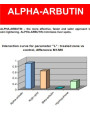
Alpha Arbutin (Switzerland)
Safe-B3™ (Vitamin B3, Niacinamide)
GlucoBright™ (Acetyl Glucosamine)
Vitamin C (L-ascorbic acid) (Ultra-Fine)
Vitamin C (L-ascorbic acid) (Fine)
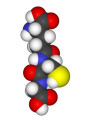
Glutathione (L-Glutathione) (Extrasol)
Vitamin C (L-ascorbic acid) (Standard)