Formulating Skin Whitening Cream/Toner with Vitamin B3, C, and NAG: Compatibility & Stability Issues
Question
I want to formulate a skin whitening cream and toner using the following ingredients:
- Vitamin B3 (Niacinamide)
- NAG (N-Acetyl Glucosamine)
- Vitamin C
- Distilled Water
Could you please advise on:
- How to mix these ingredients together for both a toner and a cream formulation?
- Are there any compatibility or stability issues when combining these ingredients, especially Vitamin B3 and Vitamin C?
- How can I achieve a "pinkish" skin tone effect with this formulation?
Answer
How to Formulate Skin Whitening Cream and Toner
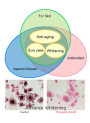
Regarding the ingredients you are interested in, Vitamin B3 (Niacinamide), NAG (N-Acetyl Glucosamine), Vitamin C, and distilled water can indeed help brighten the skin. However, combining these ingredients, especially Vitamin C, requires careful consideration regarding compatibility and stability.
Information on Key Ingredients:
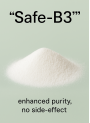
- Vitamin B3 (Niacinamide): Offers various benefits, including reducing dark spots and redness, strengthening the skin barrier, controlling oil, and improving skin radiance. It can be used at a concentration of 1-10% (5% recommended). It is water-soluble, tolerates heat reasonably well (though prolonged heating should be avoided), and the optimal pH range is 4.0-7.0. There are different grades available, such as Safe-B3™ and Extreme-B3™, which are high-purity grades that reduce the chance of flushing compared to standard grades.
- NAG (N-Acetyl Glucosamine): Another ingredient known for its brightening properties. It works well synergistically with Niacinamide. However, a specific NAG product was not found in our database during the search. If you have this ingredient, you can potentially add it to your formula.
- Vitamin C: Available in various forms, each with different stability, solubility, and optimal pH ranges. Vitamin C helps with brightening, acts as an antioxidant, and stimulates collagen production.
Considerations for Mixing:
Compatibility: Combining Vitamin B3 with certain forms of Vitamin C can lead to stability and efficacy issues.
- Vitamin Cรูปแบบ L-Ascorbic Acid requires a very low pH (around 2.0-4.0) for stability, which can cause Vitamin B3 to convert to Niacin and potentially cause flushing on the skin.
- Vitamin Cรูปแบบ Ascorbyl Glucoside (AA-2G) requires a pH of approximately 6.5-6.8 and should not be used with Safe-B3™ (Vitamin B3) according to product information.
- Vitamin Cรูปแบบ Ethyl Ascorbic Acid requires a pH of 3.5-6.0 and should not be used with Vitamin B3 according to product information.
- Vitamin Cรูปแบบ Sodium Ascorbyl Phosphate (SAP) requires a pH of 7-9, which is different from the optimal pH range of Vitamin B3.
- Therefore, combining Vitamin B3 with Vitamin C in the same formula, especially for beginners without pH adjustment tools, can be challenging to ensure stability and maximum effectiveness. You might need to consider using only one or the other, or select a form of Vitamin C explicitly stated to be compatible with Niacinamide and carefully control the pH.
Mixing Without Heat: Most of the ingredients you mentioned are water-soluble powders and can be dissolved directly in distilled water without needing heat. This method is suitable for making toners or clear water-based serums. However, if you want to make a cream, it requires oil-based ingredients and emulsifiers, and the process of creating an emulsion typically involves heating the water and oil phases separately before combining them.
Pinkish Skin Tone: As advised by the staff in the previous thread, a pinkish skin tone is usually due to cosmetic colorants like Mica or Iron Oxides, which wash off and do not represent a permanent change in skin color. You should avoid products claiming to make skin permanently pink through active ingredients, as they may contain unsafe substances not permitted by regulatory bodies.
Recommendations for Beginners:
Since you are new to formulating and combining Vitamin B3 and Vitamin C can be complex due to compatibility and pH issues, it is recommended to start with a simpler formula.
Example Concept for a Simple Toner/Serum (Focus on Vitamin B3):
- Prepare the Water Phase: Use distilled water as the main component.
- Dissolve Vitamin B3: Gradually add the Vitamin B3 powder (e.g., Safe-B3™ or Extreme-B3™) to the distilled water. Stir or use a mixer until fully dissolved (at the recommended usage rate, e.g., 5%).
- Add Other Compatible Ingredients (if applicable): If you have NAG and wish to add it, you can dissolve it in the distilled water before or along with Vitamin B3.
- Adjust pH (if necessary): For Vitamin B3, a pH of 4.0-7.0 is optimal. For accuracy, use pH paper or a pH meter to check and adjust the pH to the desired range (using an appropriate cosmetic-grade pH adjuster).
- Add Preservative: Products containing water require a preservative to prevent microbial growth. Choose a suitable preservative and use it at the recommended concentration.
- Package: Pour the finished product into a clean container.
Note:
- Creating a formula that includes Vitamin C, especially L-Ascorbic Acid or other forms explicitly stated as incompatible with B3, requires thorough research or using a pre-made base that already contains these ingredients to ensure stability.
- If you truly want a cream texture, you will need to learn about the emulsification process, which is more complex than making a water-based toner or serum.
Starting with a simple Vitamin B3 toner or serum will help you become familiar with the process and properties of the ingredients before attempting more complex formulations.
Related Products Mentioned