Formulating Spa Milk Oil and Infused Oil
Question
I would like to make two types of oil products:
Spa Milk Oil (Oil to Milk Cleanser/Massage Oil): I want an oil that turns milky when it comes into contact with water, suitable for makeup removal and massage. I've heard about using "Oil Soap" or "Oil Milk" for this. Can I use light natural oils as the base? Will it foam, and is it suitable for sensitive skin?
Infused Oil: I want to make an infused oil by steeping dried flowers in a carrier oil. Is the basic process of mixing oil with dried botanicals and letting it steep correct? Will the botanicals add scent? Can I use a light, 100% natural oil base like Fractionated Coconut Oil? Can it be used on all parts of the body? Do I need to add a preservative if there is no water? What is the shelf life without a preservative?
Answer
Hello! Let's break down your questions about making spa milk oil and infused oil.
Spa Milk Oil (Oil to Milk Cleanser/Massage Oil)
To create an oil that turns milky when it comes into contact with water, you need to incorporate an emulsifying agent. Based on the staff's response, Oil Soap or Oil Milk are the components that provide this function.
- Function: You mentioned wanting it for makeup removal and massage. The staff explained that Oil Milk is suitable for makeup removal and nourishing massage, while Oil Soap is for general cleaning in addition to makeup removal. For your specific goals (makeup removal and massage), Oil Milk appears to be the more suitable option.
- Light, Natural Oil Base: You can use light natural oils as the base for your formulation. Fractionated Coconut Oil is a good light option mentioned by the staff that is 100% natural. Other light natural oils could also be considered.
- Foam and Sensitive Skin: You asked about foam and suitability for sensitive skin. The staff did not provide a direct comparison on the level of foam or specific suitability for sensitive skin between Oil Soap and Oil Milk, focusing instead on their primary intended use (cleaning vs. makeup removal/massage). Both might exhibit a slight foam as you observed.
Infused Oil
Your understanding of the basic process for making infused oil is generally correct: steeping dried botanicals (like flowers) in a carrier oil.
- Process: You mix your chosen oil(s) with dried botanicals, seal the container, and let it steep for a period (often a few weeks).
- Purpose of Botanicals: While the staff noted that adding botanicals is often for marketing and may not add significant skin benefits, it can indeed impart a subtle scent from the flowers, which you desire.
- Light, 100% Natural Oil Base: You can use any natural oil for infusion. For a light feel and 100% natural composition, Fractionated Coconut Oil is an excellent recommendation from the staff.
- Usage: Yes, infused oil can generally be used on all parts of the body, just like regular carrier oils, provided the botanicals used are safe for skin contact.
- Preservative: As the staff confirmed, if your infused oil contains absolutely no water (which is typical for oil infusions using dried botanicals), you do not need to add a preservative.
- Shelf Life: Without a preservative, the shelf life of your infused oil will be limited by the natural shelf life and oxidative stability of the carrier oil you used. Storing it in a cool, dark place can help extend its life.
I hope this clarifies your questions! Feel free to ask if you have more questions after trying them out.
Related Products Mentioned
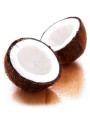
Fractionated Coconut Oil