Formulating Toner with DMAE, Niacinamide, and Preservative
Asked by: jarinrat
On: October 08, 2016
Product Type:
Cosmetics
Answered
Question
I plan to make a toner using Distilled Water, DMAE (SkinTight MD™) Liquid, Safe-B3™ (Vitamin B3, Niacinamide), and Nature Preserve. I need guidance on the following:
- What percentage should I use for each ingredient?
- Should I add any other ingredients?
- Can I mix the ingredients without testing the pH?
Answer
Toner Formulation Guidance
Here are the recommended usage rates and important considerations for your toner:
- Distilled Water: Use as the base, making up the remaining percentage of your formula (e.g., if other ingredients total 10%, use 90% distilled water).
- DMAE (SkinTight MD™) Liquid:
- Recommended usage rate is 1-10%. The product description recommends 3% for beginners and notes that using above 5% might cause irritation or stickiness. An example toner formula provided suggests 5-10%. You might start lower, like 3-5%, especially if you have sensitive skin.
- Mix in the final step, ensuring the temperature is below 40°C.
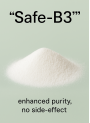
- Safe-B3™ (Vitamin B3, Niacinamide):
- Recommended usage rate is 1-10%. The product description recommends 5% and states that the Safe-B3™ type can be used up to 10% without causing flushing or irritation.
- Mix in the water phase. It is heat resistant but avoid prolonged heating.
- Works best in a pH range of 4.0-7.0 (acceptable range 3-8).
- Nature Preserve: You mentioned "Nature Preserve". There are a couple of options:
- NaturePreserve™ Ultra (Gluconolactone & Sodium Benzoate): Recommended usage rate is 0.75-2.0% (recommended 1.25%). It works in a pH range of 3-6. Do not use with L-Ascorbic Acid (Vitamin C).
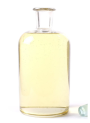
- NaturePreserve™ LB2 (Dehydroacetic Acid, Benzoic Acid, Benzyl Alcohol, Water): Recommended usage rate is 0.5-1.0%. It works in a pH range of 2.0-6.5. Avoid heat above 50°C.
Choose one of the Nature Preserve options based on your desired pH range and compatibility needs.
Should You Add Anything Else?
You have a good base with active ingredients (DMAE, Niacinamide) and a preservative. Depending on your goals, you could consider adding:
- Humectants: Ingredients like Glycerin or Propanediol can help draw moisture into the skin, enhancing the hydrating properties of the toner.
- Irritation Reducers: The DMAE description suggests adding ingredients to help reduce potential irritation, especially if using higher concentrations or if you have sensitive skin.
- Vitamin B5: The DMAE description mentions increased efficiency when used with Vitamin B5.
Can You Mix Without Testing pH?
No, you absolutely must test and adjust the pH.
- Each of your active ingredients and the preservative has a specific pH range where it is most effective and stable, or where it is less likely to cause irritation.
- Nature Preserve Ultra requires pH 3-6.
- Nature Preserve LB2 requires pH 2.0-6.5.
- Safe B3 works best at pH 4.0-7.0.
- DMAE can be irritating, and pH affects skin tolerance.
- Mixing these ingredients will result in a specific final pH that needs to be checked to ensure it is within the effective range for all ingredients and suitable for skin (typically toners are formulated between pH 4.5 and 5.5).
- You will likely need to use a pH adjuster (like Citric Acid or Sodium Hydroxide solution) to bring the final mixture into the optimal range.
Always test the pH of your final product and adjust as necessary.
Summary Recommendations:
- Determine the total percentage of your active ingredients and preservative based on the recommended ranges.
- Use distilled water for the remaining percentage.
- Mix Safe B3 and your chosen Nature Preserve into the distilled water phase.
- Add DMAE in the final step when the mixture is below 40°C.
- CRITICALLY, test the pH of your final toner. Adjust the pH to be within the effective range of your chosen preservative and suitable for skin (ideally 4.5-5.5).
- Consider adding a humectant or irritation reducer if desired.
- If you plan to sell this product, a challenge test is necessary to confirm the preservative's effectiveness in your specific formula.
Related Products Mentioned
Safe-B3™ (Vitamin B3, Niacinamide)
Cosmetics
DMAE (SkinTight MD™) Liquid
Cosmetics
NaturePreserve™ LB2
Cosmetics