Formulating Vitamin C Cream, Multi-Active Night Cream, and Loose Powder
Question
I am planning to formulate three products: a simple Vitamin C whitening cream, a multi-active night cream for brightening, melasma, repair, and anti-oxidation, and a loose powder for coverage, longevity, and waterproofing. I have listed the ingredients and percentages for each. Are these formulations sufficient and compatible for mixing to achieve the stated goals?
Answer
Formulation Analysis
1. Vitamin C Cream for Whitening
Ingredients:
- Absolue Soft Cream Base (45%)
- Perfect-C™ (Ascorbyl Tetraisopalmitate) (5%)
Analysis:
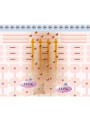
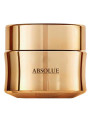
This formulation uses Absolue Soft Cream Base, which is designed to be a base for adding active ingredients and has a texture suitable for a night cream. Perfect-C™ is an oil-soluble form of Vitamin C known for its stability and effectiveness in skin brightening and whitening at concentrations of 2% or more. Using it at 5% is within the recommended range for effectiveness.
For a simple whitening cream focusing on Vitamin C, this combination can be sufficient. However, Perfect-C™ is oil-soluble and needs to be mixed into the oil phase or cream maker, and the final formula pH should be in the range of 5.0-5.5 for optimal stability and effectiveness. Since the base contains water, adding 0.2% Disodium EDTA is recommended to help maintain the stability of Perfect-C™. Ensure the mixing method for adding Perfect-C™ to the Absolue Soft Cream Base is compatible with the base's properties.
2. Night Cream for Anti-oxidation, Brightening, Melasma, Repair, and Nourishment
Ingredients:
- Absolue Soft Cream Base (36%)
- Capryloyl Salicylic Acid (LHA) Powder (2%)
- Kojic Acid Dipalmitate (3%)
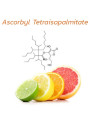
- Tranexamic Acid (3%)
- 4MSK (Potassium Methoxysalicylate) (3%)
- Panthenol (Pro Vitamin B5, DL- Panthenol, Powder) (3%)
Analysis:
This formulation includes a powerful combination of active ingredients targeting multiple skin concerns:
- Whitening/Melasma: Kojic Acid Dipalmitate, Tranexamic Acid, and 4MSK are all known for their skin brightening and melanin-reducing properties, suitable for addressing hyperpigmentation and melasma. The concentrations used (3% each) are at the higher end of or the maximum recommended/allowed cosmetic usage rates for these ingredients.
- Exfoliation/Wrinkles: Capryloyl Salicylic Acid (LHA) is an exfoliant that can help with skin renewal and the appearance of wrinkles. The 2% concentration is at the recommended maximum to minimize irritation.
- Repair/Nourishment: Panthenol (Pro-Vitamin B5) is excellent for moisturizing, soothing, reducing inflammation, and supporting skin barrier function and wound healing. The 3% concentration is within the effective range.
While this blend of ingredients is comprehensive for your stated goals, combining multiple potent active ingredients at high concentrations can increase the risk of skin irritation, especially for sensitive skin.
Formulation challenges include:
- Mixing Compatibility: LHA and Kojic Acid Dipalmitate are oil-soluble and require heat for mixing, while Tranexamic Acid, 4MSK, and Panthenol are water-soluble. You will need to ensure the Absolue Soft Cream Base can accommodate both oil-soluble ingredients requiring heat and water-soluble ingredients, and that the mixing process maintains the stability and effectiveness of all actives.
- pH Stability: The optimal pH ranges for these ingredients vary (e.g., Tranexamic Acid 3-8, Panthenol 3.5-7.0, Kojic Acid Dipalmitate 3-9). Achieving and maintaining a stable pH that is effective and non-irritating for all ingredients in the final cream base will be crucial. 4MSK is also an electrolyte and might affect the cream's texture.
- Ingredient Interactions: While some combinations are known to work well (e.g., 4MSK with Tranexamic Acid and certain Vitamin C types), the interaction of all these ingredients together needs careful consideration and stability testing.
This formulation is complex due to the number and concentration of active ingredients and their different solubility and pH requirements. It is important to proceed with caution and potentially start with lower concentrations or fewer actives if you are new to complex formulations.
3. Loose Powder for Coverage, Longevity, and Waterproofing
Ingredients:
- Synthetic Fluorphlogopite (20 Micron, Silane Coated) (%)
- BB Micro Silk™ (6%)
- Magnesium Stearate (7%)
- Titanium Dioxide 300nm WaterProof™ (%)
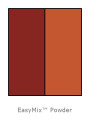
- Red Iron Oxides EasyMix™ (%)
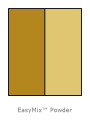
- Yellow Iron Oxides EasyMix™ (%)
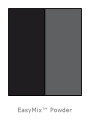
- Black Iron Oxides EasyMix™ (%)
- (Percentages for Synthetic Fluorphlogopite, Titanium Dioxide, and Iron Oxides are missing)*
Analysis:
The ingredients you have chosen are suitable for creating a loose powder with coverage, longevity, and waterproof properties:
- Base Powders: Synthetic Fluorphlogopite provides a smooth texture, brightness, shine, and helps with adherence and oil absorption. BB Micro Silk™ contributes to a silky feel and helps blur the appearance of wrinkles and pores.
- Adherence: Magnesium Stearate is a standard ingredient in powder formulations to improve the powder's adherence to the skin. The 7% concentration is within the recommended range.
- Coverage & Waterproofing: Titanium Dioxide 300nm WaterProof™ is treated to provide coverage and water resistance, essential for a long-lasting, waterproof powder.
- Color: The Red, Yellow, and Black Iron Oxides EasyMix™ are coated pigments that are easy to blend and provide color to match skin tone. Their "EasyMix" and waterproof properties are beneficial for a makeup powder.
Important Considerations:
- Missing Percentages: Your formulation is missing the percentages for Synthetic Fluorphlogopite, Titanium Dioxide, and the Iron Oxides. A complete powder formulation requires all ingredient percentages to add up to 100%. The ratio of Titanium Dioxide to the Iron Oxides will determine the coverage and the depth of the skin tone.
- Color Matching: Adjusting the tone requires carefully blending the Red, Yellow, and Black Iron Oxides with the white base (Titanium Dioxide and Synthetic Fluorphlogopite) until the desired shade is achieved. This usually involves starting with a base mix and adding pigments incrementally.
The ingredients selected are appropriate for your goal, but you will need to determine the correct percentages for Synthetic Fluorphlogopite, Titanium Dioxide, and the Iron Oxides to complete the formulation and achieve the desired coverage and color match.
Related Products Mentioned
Kojic Acid Dipalmitate
BB Micro Silk™
Yellow Iron Oxides EasyMix™
Red Iron Oxides EasyMix™
Black Iron Oxides EasyMix™
Magnesium Stearate
Tranexamic Acid (Trans-White™)