Formulating with AHA/BHA, Vitamin C, and Gel Cleansers
Question
Questions on Formulating Skincare Products
I have several questions regarding formulating skincare products:
- Is Glycolic Acid available, and in what forms (e.g., powder, solution like
Ampho-Glycolic™, encapsulated likeActiveRelease™ Glycolic Acid)? How is it typically used in toner formulations, and what are the FDA guidelines regarding its concentration (max 10%) and pH (not lower than 3.5) for consumer products? - How does Salicylic Acid 1% compare to Glycolic Acid? Can they be compared directly by percentage? What are the key differences between Salicylic Acid (BHA) and Glycolic Acid (AHA) in terms of function and suitability for different skin concerns (e.g., acne, blackheads, surface exfoliation)?
- What other active ingredients are recommended to supplement formulations containing exfoliants like Glycolic Acid and Salicylic Acid? Specifically, what ingredients can help support the skin barrier and reduce potential irritation? Are ingredients like Niacinamide (
Safe-B3™,Extreme-B3™), Ceramides (Skin-Barrier™,Ceracare™ Liposome-3), or soothing agents (Pep-Calm™) suitable? - I'm interested in the
Vitamin C E Ferulicformula (ID 70). What are its typical components (e.g., L-Ascorbic Acid, Vitamin E, Ferulic Acid)? What are its main benefits? If the kit is out of stock, can I formulate a similar serum using individual ingredients (L-Ascorbic Acid in different grades, Vitamin E, Ferulic Acid)? What are the key considerations for stability and pH when formulating with L-Ascorbic Acid? - Are surfactants necessary in gel cleanser formulations? If so, what types of gentle surfactants (e.g., Sodium Lauroyl Glycinate, Potassium Cocoyl Glycinate, Sodium Lauroyl Lactylate) are suitable for creating an effective yet non-irritating cleanser?
Answer
Formulating with Glycolic Acid, Salicylic Acid, and Other Actives
1. Glycolic Acid Availability and Use in Toner
Yes, Glycolic Acid is available. We have several forms suitable for cosmetic use, including:
- Glycopure™ (Glycolic Acid (AHA) 100% Powder): A pure powder form.
- Ampho-Glycolic™ (Non-Stinging Glycolic Acid Solution): A solution complexed with Arginine to reduce irritation.
- ActiveRelease™ Glycolic Acid (Timed-Release Glycolic Acid): An encapsulated form for gradual release and reduced irritation.
Glycolic Acid is commonly used in toners to help exfoliate the skin and adjust pH. When formulating a toner with Glycolic Acid, it's crucial to control the final pH of the product to ensure effectiveness and safety. For consumer products, the FDA recommends a concentration not exceeding 10% and a pH not lower than 3.5.
2. Salicylic Acid vs. Glycolic Acid Comparison
You cannot directly compare Salicylic Acid 1% to Glycolic Acid in terms of percentage equivalence. While both are exfoliants, they work differently:
- Salicylic Acid (BHA): Is oil-soluble, allowing it to penetrate pores and help dissolve clogged sebum and debris. It is particularly effective for acne-prone skin and blackheads/whiteheads.
- Glycolic Acid (AHA): Is water-soluble and works primarily on the skin's surface to loosen the bonds between dead skin cells, promoting shedding and revealing brighter skin.
Therefore, their effectiveness is not measured on a simple percentage scale relative to each other, but rather on their specific actions and suitable concentrations for different skin concerns.
3. Active Ingredients to Supplement Exfoliation
When using exfoliants like Glycolic Acid and Salicylic Acid, it's beneficial to include ingredients that support the skin barrier and reduce potential irritation. Consider adding:
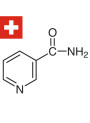
- Niacinamide (Vitamin B3): Helps strengthen the skin barrier, reduce redness and inflammation, minimize pores, and regulate oil production. We offer high-purity options like Safe-B3™ and Extreme-B3™.
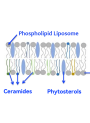
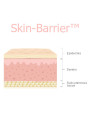
- Ceramides: Essential lipids found naturally in the skin barrier. Adding ceramides (such as Skin-Barrier™ or Ceracare™ Liposome-3) can help replenish the barrier, improve hydration, and reduce sensitivity often associated with exfoliation.
- Soothing Agents: Ingredients like Pep-Calm™ (Palmitoyl Tripeptide-8) can help calm the skin and reduce irritation.
Incorporating these ingredients can create a more balanced formula that exfoliates effectively while minimizing dryness and irritation.
4. Vitamin C E Ferulic Formula
The Vitamin C E Ferulic formula is a popular combination known for its antioxidant benefits and stability (when formulated correctly). The "Vitamin C E Ferulic" product (ID 70) is likely a base or concept that utilizes L-Ascorbic Acid, Vitamin E (like Tocopheryl Acetate or dl-alpha tocopherol), and Ferulic Acid (such as Pure-Ferulic Acid™) to create a stable and potent serum.
If the specific kit is out of stock, you can formulate a similar serum using the individual components: L-Ascorbic Acid (available in Ultra-Fine, Fine, and Standard grades), Vitamin E, and Ferulic Acid. However, formulating with L-Ascorbic Acid requires careful attention to pH (typically low, around 2.0-3.5) and stability, as it is prone to oxidation when dissolved in water. Using Vitamin E and Ferulic Acid helps to stabilize the L-Ascorbic Acid.
Alternatively, you could consider using more stable derivatives of Vitamin C if you prefer an easier formulation process, although L-Ascorbic Acid is considered the most potent form.
5. Surfactants in Gel Cleansers
Yes, surfactants are necessary for gel cleansers. Surfactants (surface active agents) are the ingredients that create lather and lift dirt, oil, and makeup from the skin so they can be rinsed away with water.
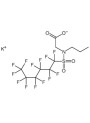
To create a gentle gel cleanser that effectively removes impurities without stripping the skin, it is crucial to select mild surfactants. Examples of gentle surfactants include Sodium Lauroyl Glycinate, Potassium Cocoyl Glycinate, and Sodium Lauroyl Lactylate. Using a combination of gentle surfactants and formulating at an appropriate pH for the skin (slightly acidic) will help ensure the cleanser is effective yet non-irritating.
Making your own formulations allows you to control the ingredients and potentially avoid those you are sensitive to, which can be a great benefit if you find commercial products irritating.
Related Products Mentioned
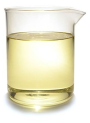
Vitamin E (Tocopheryl Acetate)
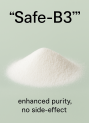
Safe-B3™ (Vitamin B3, Niacinamide)
Pure-Ferulic Acid™
Vitamin C (L-ascorbic acid) (Ultra-Fine)
Vitamin C (L-ascorbic acid) (Fine)
Vitamin E (dl-alpha tocopherol)
Salicylic Acid (BHA, Pharma Grade)
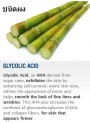
Glycopure™ (Glycolic Acid (AHA) Powder)
Vitamin C (L-ascorbic acid) (Standard)

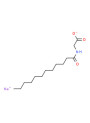
Sodium Lauroyl Glycinate
Pep-Calm™ (Palmitoyl Tripeptide-8)