Formulating with Reshape Gel: Mixing Order, EDTA, and Green Tea Extract Stability
Question
I'm formulating a product using Reshape Gel. I have a few questions:
- Can I make the Reshape Gel base first and then add other ingredients?
- Is Disodium EDTA necessary when using Green Tea Extract? If so, why?
- Does Disodium EDTA affect the viscosity or gel formation of Reshape Gel?
Answer
Formulation Questions Answered
Here are the answers to your questions regarding formulation:
Mixing Reshape Gel: The standard method involves mixing water and water-soluble ingredients with Reshape Gel, then heating briefly to 70-80°C until melted, stirring until set. However, the product description mentions adding oil later after the gel is complete. This suggests that adding certain ingredients, particularly oil-based ones or those sensitive to heat, after the gel has formed is possible. So, yes, you can create the gel base first and then incorporate other ingredients, depending on their nature.
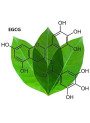
Disodium EDTA with Green Tea Extract: Disodium EDTA acts as a chelating agent, binding with metal ions in water that can destabilize sensitive ingredients. Green Tea Extract, especially its active component EGCG, is prone to degradation by metal ions. Therefore, using Disodium EDTA (or a similar chelating agent) is necessary to protect the Green Tea Extract and ensure the stability and effectiveness of your formula, particularly if you are not using distilled water. The recommended usage rate for Disodium EDTA is 0.1-0.2%, with 0.2% being preferred.
Disodium EDTA and Gel Formation: According to the product information for Reshape Gel, electrolytes do not affect its viscosity. Disodium EDTA is an electrolyte. Therefore, Disodium EDTA should not have an effect on the formation or viscosity of Reshape Gel.
Related Products Mentioned
Disodium EDTA
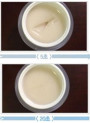
Reshape Gel™ (Gel Maker, Memory-Gel)
Hi-EGCG™ (Green Tea Extract)