Formulating with Retinaldehyde: Solubility, Oil-Free Gel/Cream, and Ingredient Compatibility
Asked by: jn_andy
On: November 15, 2016
Product Type:
Cosmetics
Answered
Question
I am planning to formulate a product with Retinaldehyde. I have several questions regarding the formulation process and ingredient compatibility:
- For sensitive or dry skin, can I add anti-irritant ingredients like Vitamin B5 (Panthenol) and Vitamin B3 (Niacinamide)?
- Can I also add HA (Hyaluronic Acid) and Adenosine to the formula?
- Is it safe to use Retinaldehyde at 0.05% continuously? What skin types or conditions should avoid it (e.g., sun exposure, pregnancy)?
- Is it possible to create an oil-free gel formulation containing Retinaldehyde? How can Retinaldehyde be dissolved if not in oil?
- What ratio of oil is suitable for dissolving Retinaldehyde, especially for acne-prone skin? Are FloraSolve and LipidSoft Dry suitable, and what percentage should be used? Is brief heating to 60°C necessary?
- Can Luxury Cream Maker be used to create an oil-free cream with Retinaldehyde that is suitable for acne-prone skin?
Answer
Based on the information provided:
- Adding anti-irritant ingredients for sensitive/dry skin: For sensitive or dry skin, it is recommended to add ingredients that help strengthen and moisturize the skin, such as Vitamin B5 (Panthenol) and Vitamin B3 (Niacinamide).
- Adding HA and Adenosine: Yes, you can add HA (Hyaluronic Acid) and Adenosine to the formula.
- Long-term use of Vitamin A and unsuitable skin types: Using Retinaldehyde at 0.05% is safe for continuous use. Avoid strong sun exposure (e.g., outdoor sports), but normal daily sun exposure is fine. Pregnant women should avoid using any type of Vitamin A.
- Gel formulation without oil and dissolving Retinaldehyde without oil: Retinaldehyde must be dissolved in oil for it to be effective. It cannot be dissolved in other solvents. Therefore, an oil-free gel formulation containing Retinaldehyde is not possible.
- Ratio of oil and suitable oil for acne-prone skin: The staff recommended using FloraSolve 5% and LipidSoft Dry 15% to dissolve Retinaldehyde, suggesting brief heating to 60°C can help. These are the recommended oils for dissolution.
- Luxury Cream Maker for oil-free cream and acne-prone skin: Since Retinaldehyde requires oil dissolution, an oil-free cream containing Retinaldehyde is not feasible based on the provided information.
Related Products Mentioned
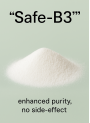
Safe-B3™ (Vitamin B3, Niacinamide)
Cosmetics

LipidSoft™ Dry
Cosmetics
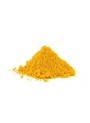
Retinal (Retinaldehyde)
Cosmetics
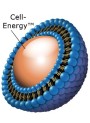
Adenosine Liposome
Cosmetics