Formulation Adjustments for Whitening & Collagen and Texture Issues in Cream/Serum
Question
I am experiencing skin peeling and have a revised formula. I have some questions about adjusting the formulation for whitening and collagen stimulation, as well as the texture.
- Soy Extract (Isoflavones / Genistein): My initial formula used 10%, but I revised it. Is reducing Soy Extract to 5% okay? What if I remove it completely? What alternative ingredients can I use for collagen stimulation if I remove it?
- Faster Natural Whitening: Once my skin has healed from peeling, I want to achieve faster natural whitening. My current revised formula includes Mahad (Oxyresveratrol), WhiteCumin 2x (Turmeric Extract), and Lemon Skin (Lemon Peel Bioferment). What other natural ingredients can I add to enhance the whitening effect?
- Cream Texture: My cream made with Light Cream Maker has a clear, gel-like texture. Why is this happening? How can I get a white cream texture? What about the air bubbles in the product?
Answer
Formulation Advice
Based on your revised formula and the staff's feedback:
Soy Extract (Isoflavones / Genistein)
You asked if reducing Soy Extract to 5% is okay or if it should be removed, and what to use for collagen stimulation if removed.
- Soy Extract (Isoflavones / Genistein) is included for its antioxidant properties, ability to stimulate collagen, provide moisture, and inhibit melanin production and age spots.
- The staff suggested reducing or removing it because at high concentrations (like your initial 10%), it might feel sticky, especially for oily skin. Reducing it to 5% is a good compromise to retain some benefits while potentially improving texture for oily skin.
- If you choose to remove Soy Extract entirely to avoid any potential stickiness, you could consider other ingredients known for collagen stimulation or anti-aging benefits. Some natural options include:
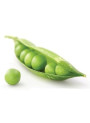
- Pisum Sativum Extract (Pea-Ex): This pea extract is known for its anti-aging properties and can help improve skin elasticity and firmness, contributing to a reduction in wrinkles. A typical usage rate is around 1-3%.
- Pure-Bakuchiol: Often referred to as a natural alternative to retinol, Bakuchiol has shown efficacy in reducing signs of aging, including improving collagen production and reducing wrinkles, without the potential irritation of retinol. A typical usage rate is around 0.5-1%. Please check the product page for specific usage instructions.
- Whether to keep Soy Extract at a lower percentage or replace it depends on your texture preference and desired focus. Keeping it at 5% might still offer some collagen benefits while being less heavy than 10%. Replacing it with Pea-Ex or Bakuchiol would provide alternative collagen-boosting mechanisms.
Faster Natural Whitening
You asked for natural ingredients for faster whitening once your skin has healed from the peeling.
- Your current revised formula already includes Mahad (Oxyresveratrol), WhiteCumin 2x (Turmeric Extract), and Lemon Skin (Lemon Peel Bioferment), all of which have skin brightening properties. Lemon Skin also has a mild exfoliating effect which can help with radiance, though at 2% it shouldn't cause significant peeling unless combined with other exfoliating factors (like your face wash).
- Once your skin barrier is healthy again, you could consider adding other natural whitening ingredients to enhance the effect. Options include:
- Licorice Extract (Glabridin type): While your formula has Licorice Extract (Licochalcone A) for anti-inflammatory benefits, the Glabridin type is specifically known for its potent tyrosinase inhibiting (whitening) activity. It can be used at 1-2%.
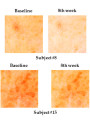
- GlyciWhite: This ingredient has been shown to counteract melanin production effectively and is gentle on the skin. It is typically used at 3-10% (recommended 5%).
- GentiWhite (Methyl Gentisate): Derived from Gentiana Lutea Root Extract, GentiWhite is considered a safe and effective whitening agent that works by inhibiting tyrosinase. It is typically used at 0.2%.
- Adding one or a combination of these after your skin has fully recovered could help achieve a faster whitening result. Remember to introduce new ingredients gradually and monitor your skin's response.
Cream Texture
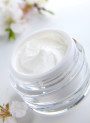
Regarding the clear, gel-like texture with Light Cream Maker, the staff explained this happens when there is no oil phase. Adding about 3% oil (like Rose Hip Oil) would result in a white cream texture. Alternatively, switching to Luxury Cream Maker would give a white cream texture even without an oil phase. The air bubbles are normal and will dissipate over time.
Next Steps
- Focus on healing your skin and identifying the cause of the peeling (likely your face wash, as you suspected). Use gentle products during this time.
- Once your skin is healthy and no longer peeling, you can proceed with the revised formula.
- If you want to enhance whitening, consider adding one of the suggested natural whitening ingredients (Licorice Extract - Glabridin type, GlyciWhite, or GentiWhite) at the recommended usage rate.
- If you decide to remove Soy Extract, consider replacing it with Pisum Sativum Extract or Pure-Bakuchiol for collagen support.
- Choose your cream maker based on whether you want to include an oil phase for a white cream (Light Cream Maker + oil) or get a white cream without oil (Luxury Cream Maker).
Remember to always make small test batches when modifying a formula.
Related Products Mentioned

Safe-B3™ (Vitamin B3, Niacinamide)

Rosehip Oil (Extra Virgin Organic)
Light Cream Maker™
Lemon Peel Bioferment (Lemon Skin™)

Soy Extract (Isoflavones / Genistein)
Rice Vitamin (Inositol, Vitamin B8)
Ethylhexylglycerin
Luxury Cream Maker™

สารสกัดมะหาด (Oxyresveratrol)
Pisum Sativum Extract (Pea-Ex™)
GlyciWhite™