Formulation Advice for Anti-Aging, Brightening Serum/Cream for Oily Skin
Question
I need advice on formulating a serum (or gel/light cream) with Vitamin C for my mother to use at night.
Her overall skin condition is very oily, with many wrinkles, lack of firmness, old acne scars (planning DermaRoller treatment), and some freckles/dark spots.
The desired outcomes are firmer facial and neck skin, reduced wrinkles, smaller pores, and brighter, clearer skin tone.
I would like to know:
- Should this formula be adjusted?
- Will it be difficult to mix myself?
- If her skin is oily but lacks nourishment, does she need additional moisturizer for hydration at night after using this cream-gel formula?
Proposed Formula:
- Perfect-C 5%
- Repair Activator 15%
- MSH White Absorb 5%
- Kojic Acid Dipalmitate 3%
- Vitamin E (dl-alpha tocopherol) 1%
- Satin Cream Maker 1%
- Disodium EDTA 0.2%
- Water 69.8%
Answer
Serum/Gel/Light Cream Formulation Advice
Here is some advice regarding the serum/gel/light cream formulation you are planning for your mother, considering her skin type (oily, with wrinkles, looseness, acne scars, freckles, and dark spots) and desired outcomes (tightening, wrinkle reduction, pore minimization, brightening).
Your proposed formula includes several excellent active ingredients targeting these concerns:
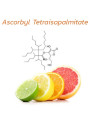
- Perfect-C (Ascorbyl Tetraisopalmitate): A stable, oil-soluble Vitamin C derivative known for its whitening, anti-aging, and collagen-boosting properties.
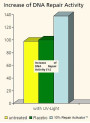
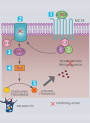
- Repair Activator (Bifida Ferment Lysate): Helps repair skin DNA damage and supports the skin's natural repair process.
- MSH White (Undecylenoyl phenylalanine): Works to brighten skin tone and reduce dark spots by targeting melanin production.
- Kojic Acid Dipalmitate: Another effective whitening agent that works synergistically with Vitamin C.
- Vitamin E (dl-alpha tocopherol): An antioxidant that protects the skin from free radical damage and supports anti-aging.
- Satin Cream Maker: An emulsifier and thickener to create the desired texture.
- Disodium EDTA: A chelating agent that improves formula stability, especially important for Vitamin C.
Formula Adjustments
Your ingredient selection is good for addressing the stated concerns. However, one adjustment is recommended:
- MSH White (Undecylenoyl phenylalanine): The proposed concentration of 5% is higher than the generally recommended usage rate of 0.5-2%. It is advisable to reduce the concentration to 2% to minimize potential irritation while still achieving significant brightening effects. The water percentage should be increased to 72.8% to balance the formula to 100%.
Revised Formula Suggestion:
- Perfect-C (Ascorbyl Tetraisopalmitate): 5%
- Repair Activator (Bifida Ferment Lysate): 15%
- MSH White (Undecylenoyl phenylalanine): 2%
- Kojic Acid Dipalmitate: 3%
- Vitamin E (dl-alpha tocopherol): 1%
- Satin Cream Maker: 1%
- Disodium EDTA: 0.2%
- Water: 72.8%
Mixing Difficulty
Mixing this formula at home is moderately difficult due to the different solubility and temperature requirements of the ingredients:
- MSH White and Kojic Acid Dipalmitate need to be dissolved in the oil phase using heat (80°C for MSH White, then cooled to 60°C for Kojic Acid Dipalmitate).
- Perfect-C and Vitamin E are oil-soluble but are sensitive to high heat and should be added to the cooled oil phase (below 50°C).
- Satin Cream Maker is a cold-process emulsifier added to the water phase.
- Repair Activator is heat-sensitive and should be added in the final step.
Careful attention to temperature control and mixing order is crucial for the stability and efficacy of the final product.
Additional Moisturizers for Oily Skin
Your mother's skin is described as very oily but lacking nourishment. The proposed formula contains some moisturizing components (like the base of Repair Activator and Vitamin E). For oily skin, it's important to provide hydration without adding heavy oils that can clog pores.
After using this serum, observe how her skin feels. If it still feels tight or dehydrated, a separate, lightweight, non-comedogenic moisturizer can be applied afterward. Look for moisturizers containing humectants like Hyaluronic Acid or Glycerin. Avoid heavy creams or oils unless specifically formulated for oily skin.
Remember to also consider sun protection during the day, as many of the active ingredients in this nighttime serum can increase skin sensitivity to the sun.
Related Products Mentioned
Vitamin E (dl-alpha tocopherol)
Kojic Acid Dipalmitate
Disodium EDTA

Satin Cream Maker™