Formulation advice for body and face cream using existing ingredients (Whitening, Scar Reduction)
Question
I would like advice on formulating a body cream for whitening and reducing small scars. I also plan to make a face cream for reducing dark spots, controlling T-zone oiliness, and addressing post-acne concerns.
Here is a list of ingredients I currently have:
- Ascorbic Acid
- Glycerine
- Aloe Vera Extract
- Vitamin B3 (Niacinamide)
- Vitamin B5 (Panthenol)
- PG (Propylene Glycol)
- Vitamin E Acetate
- Alpha Arbutin
- Cyclopentasiloxane
- Silicone Gel
- Tween 20 (Polysorbate 20)
- Salicylic Acid (powder form)
- Distilled Water
I am also planning to order the following ingredients:
- Ferulic Acid
- Sepiplus 400
- Phenoxyethanol
- Pro Polymer
Could you please provide guidance on how to use these ingredients to create effective and stable formulations for both the body cream (whitening, scar reduction) and face cream (dark spots, oil control, post-acne)?
Answer
Formulation Guidelines for Face and Body Cream
Based on the ingredients you have and plan to order, you have a good set of active ingredients and basic components for developing cosmetic formulations for both face and body. Mixing your own cosmetics is an interesting endeavor that allows you to tailor formulas to your specific skin needs. However, creating stable, safe, and effective formulas requires a thorough understanding of each ingredient's properties, compatibility, solubility, pH, preservation, and appropriate concentrations for safety and efficacy.
I can provide you with information about the properties of the ingredients you have and will have, to guide you in utilizing them for your desired face and body creams.
Ingredients You Have and Their Properties
- Ascorbic Acid (Vitamin C): L-ascorbic acid is a highly effective antioxidant that helps brighten skin, reduce dark spots, stimulate collagen production, and protect skin from UV damage (though it's not a sunscreen). However, this form of Vitamin C is unstable in water, especially at high pH. It should be mixed in the final step below 30°C, and the pH should be controlled between 2.0-4.0 (FDA requires pH not lower than 3.5 for leave-on cosmetics). Ferulic Acid and Vitamin E can help enhance its stability.
- Glycerine: A good humectant (moisture retainer) that helps soften the skin and is a good solvent. Can be mixed in the water phase.
- Aloe Vera Extract: Helps soothe skin, reduce irritation, moisturize, and promote wound healing. Can be mixed in the water phase at pH 3.5-7.
- Vitamin B3 (Niacinamide): Has various benefits, including reducing dark spots and redness, controlling oiliness, strengthening the skin barrier, and reducing inflammation. Suitable for acne-prone and combination skin. Can be mixed in the water phase at pH 3-8 (optimal 4.0-7.0).
- Vitamin B5 (Panthenol): A Pro-Vitamin B5 that helps increase moisture, reduce inflammation, heal wounds, and reduce scars. Suitable for skin needing regeneration. Can be mixed in the water phase at pH 3.5-7.0.
- PG (Propylene Glycol): A good solvent that helps deliver ingredients into the skin, increases moisture, and helps adjust product texture. Can be used to dissolve Salicylic Acid.
- Vitamin E Acetate: A stable form of Vitamin E, an antioxidant that protects skin and formula ingredients from free radicals. It is oil-soluble and should be mixed in the oil phase or emulsion at temperatures that are not too high.
- Alpha Arbutin: Helps brighten skin and reduce dark spots by reducing melanin production. It is water-soluble and should be mixed in the final step below 30°C, with pH controlled between 3.5-6.5. Do not mix in formulas with pH higher than 8.
- Cyclopentasiloxane and Silicone Gel: Silicones that help adjust product texture to be smooth, slippery, light, and non-sticky, making them easy to spread and helping deliver ingredients into the skin. Cyclopentasiloxane evaporates quickly. Silicone Gel (Ultra Clear, Super Silky) provides a clear texture and excellent feel. They are soluble in oil and silicone and should be mixed in the oil or silicone phase.
- Tween 20 (Polysorbate 20): An emulsifier/solubilizer that helps combine water and oil components. It is soluble in water and Glycerin.
- Salicylic Acid (BHA): Helps exfoliate skin cells, unclog pores, and reduce inflammation. Suitable for acne-prone and oily skin. The powder form is not water-soluble and must be dissolved in solvents like Propylene Glycol or Alcohol. The usage rate for skin products is up to 2%.
- Distilled Water: A primary component in water-based or emulsion formulas.
Ingredients You Are Ordering and Their Properties
- Ferulic Acid: A potent antioxidant that enhances the stability and effectiveness of Vitamin C and Vitamin E. Helps protect skin from UVB. It is not water-soluble but dissolves in Ethoxydiglycol or Ethanol.
- Sepiplus 400: (Specific information for this ingredient was not found in the database, but it is generally a thickener/gel maker). This type of ingredient helps create a gel texture or increase the viscosity of a formula.
- Phenoxyethanol: A commonly used broad-spectrum preservative with high safety. It is water-soluble and should be mixed in steps that are not too hot (below 80°C) at a usage rate of 0.5-1.0%.
- Pro Polymer: A gel maker for water-based formulas and helps create a creamy texture in emulsion formulas. It has a special characteristic of creating a polymeric gel structure that is resistant to electrolytes (though a higher amount may be needed if many electrolytes are present). It provides a texture similar to Hyaluronic Acid and is water-soluble.
Potential Uses of Your Ingredients
Based on the ingredients you have and will have, you can develop formulations for face and body creams focusing on your desired properties.
For Face Cream (Reducing Dark Spots, Controlling T-zone Oiliness, Post-Acne)
- Focus on Dark Spot Reduction: Use Vitamin C (Ascorbic Acid), Alpha Arbutin, and Vitamin B3 (Niacinamide) along with Ferulic Acid (when ordered) to enhance Vitamin C's effectiveness and stability.
- Focus on Oil Control/Acne Care: Use Salicylic Acid and Vitamin B3 (Niacinamide).
- Focus on Hydration and Soothing: Use Glycerine, Propylene Glycol, Aloe Vera Extract, and Vitamin B5 (Panthenol).
- Texture Adjustment: Use Cyclopentasiloxane, Silicone Gel, Tween 20, and Pro Polymer (when ordered) to create a light, easily absorbed, non-sticky texture suitable for combination to oily skin.
- Preservation: Use Phenoxyethanol (when ordered).
Considerations for Face Formulas:
- Mixing Vitamin C (Ascorbic Acid) with Salicylic Acid requires careful attention to pH. Vitamin C needs a low pH (2.0-4.0), while Salicylic Acid works well in a slightly wider pH range (dissolving in PG first is recommended). Using exfoliating ingredients together might increase the risk of irritation; start with low concentrations.
- Using Pro Polymer or Sepiplus 400 can help create a light gel or gel-cream texture.
- You should adjust the formula's pH to be suitable for the main active ingredients you want to emphasize (e.g., if focusing on Vitamin C, adjust to a low pH, but be mindful of potential irritation).
For Body Cream (Whitening, Reducing Small Scars)
- Focus on Whitening: Use Vitamin C (Ascorbic Acid), Alpha Arbutin, and Vitamin B3 (Niacinamide) along with Ferulic Acid (when ordered).
- Focus on Scar Reduction: Use Vitamin B5 (Panthenol), Aloe Vera Extract, and Vitamin E Acetate.
- Focus on Hydration: Use Glycerine, Propylene Glycol, Aloe Vera Extract, Vitamin B5 (Panthenol), and Vitamin E Acetate.
- Texture Adjustment: Use Cyclopentasiloxane, Silicone Gel, Tween 20, and Pro Polymer (when ordered) to make the cream easy to spread and provide a good feel.
- Preservation: Use Phenoxyethanol (when ordered).
Considerations for Body Formulas:
- Since the application area is larger than the face, you might adjust the concentration of some active ingredients accordingly.
- Using Vitamin C (Ascorbic Acid) in a body formula might be simpler than a face formula if a clear gel texture is not a primary concern.
- Vitamin B5, Aloe Vera, and Vitamin E will be beneficial for skin regeneration and reducing scars.
Additional Tips for DIY Formulation
- Study Properties and Solubility: Understand what each ingredient dissolves in (water, oil, or other solvents) and at what stage it should be added.
- Control pH: Use a pH meter to adjust the formula's pH to the appropriate range for the main active ingredients to ensure efficacy and formula stability.
- Preservation System: Phenoxyethanol is a good preservative, but research the appropriate usage rate and consider combining it with other preservatives if broader protection is needed.
- Compatibility: Check if the ingredients you choose are compatible. Some ingredients may react with each other or destabilize the formula.
- Cleanliness: Maintain clean equipment and working environment during mixing to prevent microbial contamination.
- Testing: Before applying the product to a large area of your face or body, always perform a patch test on a small area of skin to check for irritation or allergic reactions.
Creating a complete and effective cosmetic formula requires experimentation and refinement. Have fun learning and creating your own formulas!
For others who have experience or interesting formulas, feel free to share your thoughts and formulas to benefit everyone's learning and adaptation. Exchanging knowledge will help everyone improve their cosmetic formulation skills.
Related Products Mentioned
Vitamin E (Tocopheryl Acetate)
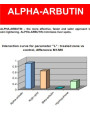
Alpha Arbutin (Switzerland)
Safe-B3™ (Vitamin B3, Niacinamide)
Pure-Ferulic Acid™
Vitamin C (L-ascorbic acid) (Ultra-Fine)
Propylene Glycol (USP)
Glycerin (USP/Food Grade)
Salicylic Acid (BHA, Pharma Grade)
Phenoxyethanol (Extra Pure)
Polysorbate 20 (Tween 20)
Silicone Gel (Ultra Clear, Super Silky)
Pro Polymer™ (Gel Maker)