Formulation Advice for Brightening and Strengthening Serum
Question
I ordered Ingredients Tester base and actives from the website. Based on the following formulation, I have some questions. My goal is to formulate a serum for skin brightening, even tone, dark spot reduction, and soothing/strengthening. The color changed, and the texture resulted in pilling.
Base Ingredients and Percentages:
- Purified Water (ส่วนที่เหลือ)
- Aloe Vera (Actives Extract 10:1) 3.00%
- Pro Polymer 1.50%
- Phenoxyethanol (สารกันเสีย) 1.00%
- Lactic Acid ปรับ pH ที่ 5-6 0-1%
Active Ingredients and Percentages:
- Perfect-C™ (Ascorbyl Tetraisopalmiate) 10%
- Beta Glucan 10%
- Green Tea Extract EGCG 5%
- Vitamin B3 (Safe-B3™) 5%
- Adenosine Complex 5%
- N-Acetyl-D Glucosamine (GlucoBright™) 4%
- Alpha-Arbutin 2%
- Tranexamic Acid 3%
- Bisabolol 1%
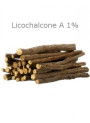
- Licorice Root Extract (Licochalcone A) 1.0%
- Allantoin 0.2-0.5%
Questions:
- Should I add more whitening agents like Alpha-Arbutin, Nanowhite, or Azelaic Acid?
- Does MatteSilica™ affect the absorption of active ingredients?
- Which ingredients work well with Adenosine?
- How should I adjust the necessary and unnecessary ingredients in this formula?
- Which peptides should I choose to add?
Answer
Formulation Advice for Skin Brightening and Strengthening
Based on your goal to brighten skin, even tone, reduce dark spots, and soothe/strengthen the skin, and considering your current test formulation, here is some advice:
1. Adding More Whitening Agents: Alpha-Arbutin, Nanowhite, or Azelaic Acid?
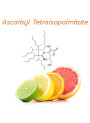
You already have several ingredients targeting skin brightening and dark spots, including Perfect-C™ (Ascorbyl Tetraisopalmitate), Vitamin B3 (Safe-B3™), GlucoBright™ (N-Acetyl-D Glucosamine), and Tranexamic Acid. Adding another potent whitening agent should be done carefully to avoid irritation and ensure stability.
- Alpha-Arbutin: This is a well-regarded skin brightener that works by inhibiting tyrosinase, a key enzyme in melanin production. It is water-soluble and generally considered safe and effective at recommended concentrations (up to 2%). It pairs well with Vitamin B3 and GlucoBright™, which you already have, as they work synergistically for pigmentation reduction.
- Nanowhite: As mentioned in the feedback you received, Nanowhite is typically a blend containing ingredients like Vitamin C derivatives, Glutathione, and Alpha Arbutin encapsulated in liposomes. The liposomal delivery can potentially enhance penetration and stability. Given your current formula already contains Ascorbyl Tetraisopalmitate (a Vitamin C derivative) and Alpha-Arbutin, adding Nanowhite would introduce more of these ingredients, potentially at higher overall concentrations, and also add Glutathione. This could be effective but increases the complexity and the total active load significantly.
- Azelaic Acid (Liquid Azelaic™): This form of Azelaic Acid is water-soluble and known for its effects on brightening, reducing dark spots, and controlling oiliness and acne. It works through multiple mechanisms, including inhibiting tyrosinase and reducing inflammation. It can be effective for both pigmentation and improving skin texture/reducing breakouts, which might be beneficial if you have combination skin prone to oiliness. It is recommended at 5-10% for these effects.
Recommendation: Given your existing ingredients, adding Alpha-Arbutin at 2% is a straightforward option that complements your current actives like Vitamin B3 and GlucoBright™ for enhanced brightening and dark spot reduction. If you are also concerned with oiliness and potential breakouts, Liquid Azelaic™ at 5-10% would be a strong addition, offering both brightening and oil control benefits. Nanowhite is also a viable option, but consider the total concentration of similar actives and the overall complexity.
2. Effect of MatteSilica™ on Active Ingredient Absorption
MatteSilica™ is a porous powder designed to absorb oil and provide a matte finish and slip to formulations. While its primary function is texture modification and oil absorption on the skin's surface, it is possible that in a formula, it could absorb some liquid components, including dissolved active ingredients, potentially affecting their immediate availability for skin absorption. However, once applied to the skin, the actives should still be able to transfer from the silica and the rest of the formula onto and into the skin. The extent of this effect would depend on the specific active, its solubility, and the concentration of MatteSilica™. In your formula, MatteSilica™ at 5% is a significant amount and could contribute to the texture and feel you experienced.
3. Ingredients that Work Well with Adenosine
Adenosine is known for its anti-aging properties, helping to improve wrinkles and skin elasticity by supporting skin cell function and repair. Ingredients that complement Adenosine often focus on similar goals or provide supporting benefits:
- Peptides: Many peptides work synergistically with Adenosine to boost collagen production, improve skin firmness, and reduce wrinkles. Examples include Palmitoyl Tripeptide-5 (Pep®-Coll), Matrixyl 3000 (Pal-GHK, Pal-GQPR), and various other signaling peptides.
- Niacinamide (Vitamin B3): As noted in the description for GlucoBright™, Niacinamide works well with N-Acetyl Glucosamine for brightening. Niacinamide also has broader benefits including improving skin barrier function, reducing inflammation, and potentially supporting skin repair processes, which can complement Adenosine's effects.
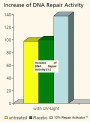
- Repair Activator™ (Bifida Ferment Lysate): This ingredient is specifically mentioned as helping to repair DNA damage in the skin, which aligns well with Adenosine's role in supporting skin cell function and repair.
Recommendation: Repair Activator™ is a good ingredient to pair with Adenosine based on its function in supporting skin repair. Many anti-aging peptides would also be excellent companions to enhance wrinkle reduction and firmness.
4. Advice on Adjusting Necessary and Unnecessary Ingredients
Your current test formula includes a high concentration of active ingredients (around 50% excluding water and base components). While aiming for efficacy is good, excessively high concentrations or too many actives in one formula can lead to:
- Stability Issues: Ingredients may interact negatively, causing degradation, color change (like the browning you observed, which could be due to oxidation of Green Tea Extract or interactions between ingredients, potentially exacerbated by the lack of EDTA as suggested for Perfect-C™), or separation.
- Texture Problems: High solid content can make the product feel heavy, sticky, or prone to pilling, as noted in the feedback you received and your own testing experience.
- Increased Risk of Irritation: A high load of active ingredients, especially those with exfoliating or potent effects, can increase the likelihood of skin sensitivity or irritation.
- Reduced Efficacy: Ingredients might interfere with each other's absorption or activity when combined at high concentrations.
Specific Considerations for Your Formula:
- Perfect-C™ (Ascorbyl Tetraisopalmitate) and Bisabolol: These are oil-soluble ingredients. In a water-based gel formula using Pro Polymer, they will not fully dissolve in the water phase. While they might be dispersed, their stability and ability to penetrate the skin effectively from a purely water-based system are compromised. As suggested in the product description for Perfect-C™, it should be mixed in the oil phase or cream maker. For a gel, you would typically need a solubilizer or a more complex emulsion system (like a gel-cream) to properly incorporate oil-soluble ingredients. The staff feedback also highlighted this issue.
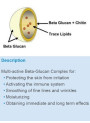
- Beta Glucan: As noted by staff, Beta Glucan can cause odor and color issues at high concentrations and may precipitate in low-viscosity water formulas. Your 10% concentration is high for a gel base thickened only with 1.5% Pro Polymer. You would need a higher concentration of gel maker or a different base to keep it dispersed and stable.
- Green Tea Extract EGCG: This extract can contribute to the browning of the formula, especially if exposed to light or air, or if the pH is not optimal. The staff feedback also mentioned this.
- High Total Active Load: The combined percentage of your active ingredients is very high. This likely contributes to the thick, potentially sticky texture you experienced and increases the risk of instability and irritation.
Recommendations for Adjustment:
- Reduce Total Active Concentration: Consider reducing the percentage of some actives or focusing on a smaller number of key actives per formula. For example, you might create separate formulas targeting different concerns (e.g., one for brightening and dark spots, another for soothing and strengthening).
- Address Solubility Issues: If you want to keep oil-soluble ingredients like Perfect-C™ and Bisabolol, you need to formulate a system that can properly incorporate them, such as an emulsion (cream or lotion) or a gel with a suitable solubilizer. A simple water-based gel with Pro Polymer is not ideal for these ingredients.
- Optimize Beta Glucan Usage: If keeping Beta Glucan at a high percentage, ensure your base has sufficient viscosity to keep it dispersed, as advised by the staff. Be aware of the potential color and odor.
- Consider Ingredient Interactions: Be mindful of potential incompatibilities, such as Perfect-C™ with Vitamin B3 (though Safe-B3™ is high purity and less likely to cause issues, it's still a consideration) or Copper Peptide with EDTA.
- Prioritize Key Actives: Select the most effective ingredients for your primary goals (brightening, dark spots, strengthening) and use them at their recommended effective concentrations.
5. Adding Peptides: Which One to Choose?
Adding peptides can significantly enhance your formula's anti-aging and skin-strengthening properties. Considering your goals and existing ingredients:
- For Wrinkle Reduction and Collagen Stimulation: Peptides like Pep®-Coll (Palmitoyl Tripeptide-5) or Matrixyl 3000 are excellent choices for stimulating collagen and reducing the appearance of wrinkles. Acetyl Hexapeptide-8 (Argireline) is known for reducing expression lines by relaxing muscle contractions, but it doesn't stimulate collagen like Pep®-Coll. Since you mentioned wanting to strengthen skin, peptides that boost collagen and extracellular matrix components would be beneficial.
- For Skin Repair and Strengthening: Copper Peptide (GHK-Cu) is well-known for its wound healing and skin repair properties, which can help strengthen the skin barrier and improve overall skin health. Repair Activator™ (Bifida Ferment Lysate), which works well with Adenosine, also falls into this category of supporting skin repair mechanisms.
- For Brightening and Dark Spots (Peptide focus): Pep-Even™ (Tetrapeptide-30) is a peptide specifically designed to address uneven skin tone and dark spots by inhibiting pigment transfer.
Recommendation: To complement your existing formula and focus on strengthening and potentially further reducing wrinkles and dark spots, consider adding Pep®-Coll (Palmitoyl Tripeptide-5) for collagen stimulation and wrinkle reduction, or Copper Peptide (GHK-Cu) for overall skin repair and strengthening. If your primary peptide goal is brightening, Pep-Even™ (Tetrapeptide-30) would be suitable. Remember to check compatibility and recommended usage rates for any peptide you choose. Ensure the formula pH is suitable for the chosen peptide (e.g., Copper Peptide requires a pH of 4.5-7.4).
In summary, while your test formula contains many beneficial ingredients, the high total concentration and potential solubility/stability issues with oil-soluble components in a simple gel base are significant challenges. Consider simplifying the formula, addressing the solubility of oil-soluble actives, and optimizing the concentrations and compatibility of your chosen ingredients to achieve your desired results effectively and safely.
Related Products Mentioned
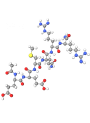
Acetyl Hexapeptide-8 (eq Argireline)
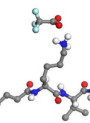
Pep®-Coll (Palmitoyl tripeptide-5)
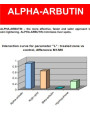
Alpha Arbutin (Switzerland)
Safe-B3™ (Vitamin B3, Niacinamide)

Allantoin

Natural Bisabolol (Brazil Chamomile)
GlucoBright™ (Acetyl Glucosamine)
Phenoxyethanol (Extra Pure)

Pro Polymer™ (Gel Maker)
MatteSilica 5™ (5 Micron)
Tranexamic Acid (Trans-White™)
Pure-Adenosine™
Pure-EGCG™ (Green Tea Extract, 98% EGCG)