Formulation Advice for Combination/Oily, Acne-Prone Skin: Gel, Serum, Toner, Shelf Life, and Firmness
Question
I am developing skincare products for combination skin that is oily and prone to clogged pores in the morning, but dry at night. My concerns are dullness, acne breakouts, and I would like my skin to feel firmer. I have the following initial formulations:
Gel for Whitening, Moisturizing, and Acne
- Whitening: Glucosamine (N-acetyl-D): Glucosamine (N-Acetyl-D) 4%
- Whitening: Arbutin (อาร์บูติน): Alpha-Arbutin 2%
- Moisturizing Sea Kelp 10%
- Moisturizing Amino Acids: Natural Moisturizing Amino Acids 5%
- Anti-Acne: Licorice Root Extract (Licochalcone A): Licorice Root Extract (Licochalcone A) 0.5%
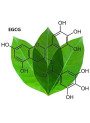
- Anti-Oxidant: GreenTea EGCG (สารสกัดชาเขียว): Green Tea Extract EGCG 3%
- Anti-Aging/Anti-Acne: Vitamin B3 (Niacinamide): Vitamin B3 5%
- Preservative: Phenoxyethanol
For daytime use, a gel is not recommended; an ultra-light serum is suggested instead as it is better for oily skin. Licorice Extract should be increased to 1% to help control oil. Natural Moisturizing Amino Acids and Sea Kelp should be removed for oily skin.
Pore Tightening + Acne Toner
- Whitening/Anti-Acne: Azelaic Acid: Azelaic Acid (Potassium Azeloyl Diglycinate) 10%
To add moisture to the toner, Natural Moisturizing Amino Acids and Sodium Lactate Plus should be added.
The recommended usage is to use the serum only during the day. At night, wipe with the toner, let it dry, and then follow with the serum. The toner provides moisture and helps with acne, while the serum brightens the skin, improves skin health, and controls oil.
My questions are:
- What are the recommendations for adjusting the gel formulation, especially regarding the stickiness when mixing the Aloe Vera gel base with Vitamin B3 and Alpha Arbutin?
- What ingredients are recommended for skin firmness for someone aged 20?
- What is the typical shelf life of products containing Phenoxyethanol?
- Can I use a Neutrogena BHA 2% facial cleanser, which states it is oil-free and alcohol-free, in conjunction with this regimen? It seems to contain oil ingredients, but the bottle says no oil or alcohol.
Answer
Recommendations for Combination Skin with Acne and Dullness Concerns
Based on the information you provided, I understand you have combination skin that is oily and prone to clogged pores in the morning, but dry at night. You are concerned about dullness and acne breakouts and would like your skin to feel firmer.
Adjusting the Gel Formulation
Regarding the stickiness of the Aloe Vera gel base mixed with Vitamin B3 and Alpha Arbutin, the staff's previous advice to switch to an Ultra-Light Serum base for daytime use is a good recommendation for oily skin.
If you still prefer using a gel base, I recommend trying Aloe Vera Gel (Lite), which has a lighter texture than Aloe Vera Gel (Heavy). This should feel more comfortable on the skin and be less sticky.
Other ingredients in your proposed gel formula, such as Vitamin B3 (Niacinamide) and Licorice Extract (Licochalcone A), are excellent for your skin type. Vitamin B3 helps control oiliness, reduce acne inflammation, and strengthen the skin barrier. Licorice Extract also helps reduce inflammation and control oil. Increasing the concentration of Licorice Extract as previously recommended is a good approach.
Moisturizing ingredients like Sea Kelp Extract and Natural Moisturizing Amino Acids, which you included in your original list, can contribute to a sticky feeling, especially for oily skin during the day. Removing them from the daytime formula as previously advised is appropriate.
Ingredients for Skin Firmness at Age 20
At age 20, the most important focus should be on maintaining healthy, hydrated skin and preventing premature aging. Some ingredients you are already using can help with this. Vitamin B3 (Niacinamide) helps stimulate collagen and ceramides, contributing to stronger and more elastic skin. Green Tea Extract (EGCG) is an antioxidant that helps protect the skin from external damage.
At this age, it's not necessary to use highly concentrated anti-aging ingredients. Focusing on a good basic skincare routine, including cleansing, moisturizing, oil control, and sun protection, will help keep your skin looking firm and healthy in the long run.
Shelf Life of Products with Phenoxyethanol
Phenoxyethanol is a commonly used and relatively safe preservative in cosmetics. Products formulated with Phenoxyethanol and stored at normal room temperature, away from direct sunlight and heat, in a tightly sealed container, typically have a shelf life of at least 2 years.
However, the exact shelf life of a finished product should be confirmed through Stability Testing and Challenge Testing to ensure the preservative's effectiveness and the formula's stability.
Additional Recommendations from Previous Advice
Following the previous staff recommendations, for the Witch Hazel Alcohol-Free Toner containing Azelaic Acid (Potassium Azeloyl Diglycinate), adding Natural Moisturizing Amino Acids and Sodium Lactate Plus will help boost hydration.
Using a BHA 2% cleanser is possible, but observe your skin after washing. If it feels very dry or tight, the product might be too strong for your skin.
I hope this information is helpful.
Related Products Mentioned
Alpha Arbutin (Switzerland)
Safe-B3™ (Vitamin B3, Niacinamide)
Phenoxyethanol (Extra Pure)
Aloe Vera Gel (Heavy)
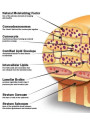
Hi-EGCG™ (Green Tea Extract)
Aloe Vera Gel (Lite)

Phenoxyethanol SA (eq. Optiphen Plus)
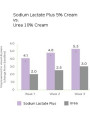
Sodium Lactate Plus