Formulation Advice for Dry, Oily, and Aging Skin
Question
I have dry skin that is also oily and shows signs of aging. I am looking for advice on formulating several products:
- Vitamin C Essence: I want to mix L-Ascorbic Acid (15%) with water for single use to avoid sticky texture from bases. The staff mentioned stickiness from Laureth-23, Hyaluronic Acid, and Vitamin E. I plan to include Zinc PCA and Disodium EDTA. Is Ethoxydiglycol essential? Can I use Vitamin C essence morning and night?
- Vitamin C pH: When mixing L-Ascorbic Acid (15%) with distilled water for single use, do I need to pre-adjust the water's pH? How can I adjust the final pH if it's too irritating?
- Hydration for Dry/Oily Skin: I plan to use Aloe Vera Gel (Lite) as a base with Safe-B3™ (Vitamin B3), GlucoBright™ (Acetyl Glucosamine), and Bi-o Yeast for hydration. What other water-soluble ingredients can I add to boost hydration? I have Alpha Arbutin and Nanowhite - can these be included?
- Facial Spray: Is it possible to create a facial spray using water (90%+) as the main component? What water-soluble ingredients can be added for hydration and soothing?
- Anti-aging Night Cream: For a night cream targeting aging and dryness, what highly effective active ingredients (like Retinal, Bakuchiol, Peptides, Collagen) are recommended?
Answer
Formulation Advice for Dry, Oily, and Aging Skin
Thank you for your detailed questions and for sharing your skin concerns and experiences. It's great that you are exploring formulating your own products to better suit your skin's needs. Let's address each of your questions based on your feedback and the information available.
1. Vitamin C Essence Formulation
Regarding your experience with the sticky Vitamin C tester, you are correct that the staff indicated the stickiness was likely due to ingredients like Laureth-23, Hyaluronic Acid, and Vitamin E, not Vitamin B5 at that concentration. Your plan to mix L-Ascorbic Acid with water for single use is a good approach to avoid unwanted textures from base ingredients.
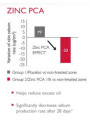
- Zinc PCA is indeed mentioned as helping to enhance the efficacy of Vitamin C. When combining them, it's important to follow the staff's advice: dissolve Zinc PCA and Disodium EDTA in water first, let it sit, and then add other ingredients including Vitamin C. This helps manage Zinc PCA's solubility and protects Vitamin C from metal ions.
- Ethoxydiglycol acts primarily as a solvent and penetration enhancer. For a simple, single-use water mix, it is not essential if your chosen actives dissolve well in water. Omitting it can help achieve a lighter, essence-like texture as you prefer.
- You can apply Vitamin C serum both in the morning and at night. Using it once or twice a day depends on your skin's tolerance. Starting once a day is often recommended.
2. Vitamin C pH Adjustment
When mixing L-Ascorbic Acid (such as 15%) with distilled water for single use, you do not need to pre-adjust the water's pH. The L-Ascorbic Acid itself is acidic and will lower the pH of the solution to a range generally suitable for its stability (below 3.5). If you find the solution too irritating, you can slightly adjust the pH upwards towards 3.5 by adding a small amount of Triethanolamine 99%.
3. Hydration for Dry/Oily Skin
It's common to have skin that is oily on the surface but lacks hydration underneath. Your current plan to use Aloe Vera Gel (Lite) as a base with Safe-B3™ (Vitamin B3), GlucoBright™ (Acetyl Glucosamine), and Bi-o Yeast is a good combination for hydration, soothing, and potentially helping to balance oiliness and improve skin barrier function.
For additional water-soluble ingredients to boost hydration in your essence, besides the ones you plan to use, consider adding:
- Hyaluronic Acid Gel Base: Provides multi-molecular weight hydration.
- Advanced Moisture Complex: A complex blend of humectants including Sodium PCA and Sodium Hyaluronate for intense hydration.
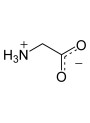
- Glycine: An amino acid that is part of the skin's natural moisturizing factor.
- PCA Glyceryl Oleate: A natural-based moisturizer that helps strengthen the skin barrier and reduce water loss.
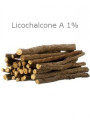
- Licorice Extract (Licochalcone A 1%, Water-Soluble): Can help soothe irritation and reduce oiliness.
Alpha Arbutin is a brightening agent, not a primary hydrator, but it is water-soluble and can be included if brightening is a goal. Nanowhite is also a brightening complex. You can add these if desired, keeping the formulation simple as you prefer.
4. Facial Spray
Yes, it is possible to create a facial spray using water as the main component (90%+). For the remaining percentage, you can add water-soluble hydrating and soothing ingredients like those mentioned in point 3 (e.g., low concentrations of Hyaluronic Acid Gel Base, Advanced Moisture Complex, Glycine, PCA Glyceryl Oleate, or Licorice Extract). Be mindful that frequent spraying of purely water-based solutions without sufficient humectants can sometimes lead to increased dryness as the water evaporates. Including effective humectants is key. It's worth trying a simple hydrating spray and observing how your skin responds.
5. Anti-aging Night Cream
Addressing dryness is crucial for improving the appearance of fine lines. For a potent anti-aging night cream, you can explore active ingredients known for their wrinkle-reducing and skin-renewing properties. Some highly effective options available include:
- Retinal (Retinaldehyde) or Retinal-EZ™ (Encapsulated Water Dispersible Retinal): More potent forms of Vitamin A than Retinol, known for stimulating collagen and reducing wrinkles.
- Pure-Bakuchiol™ (Natural Retinol): A plant-based alternative to retinoids with similar benefits but often less irritation.
- HyaRetin™ (Sodium Retinoyl Hyaluronate): An encapsulated form combining a retinoid with Hyaluronic Acid for enhanced delivery and reduced irritation.
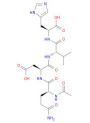
- Pep®-Mican (Acetyl Tetrapeptide-9): A peptide that helps stimulate collagen synthesis.
- HRC-4000™ (Human Type III Recombinant Collagen): Can help improve skin elasticity and reduce wrinkles.
These actives can be incorporated into a suitable cream base. You can research these ingredients further to decide which ones align best with your specific anti-aging goals before formulating your night cream.
Remember that consistency in your routine, including gentle cleansing and sun protection (even if not mentioned in your questions, it's vital for preventing dryness and aging), is fundamental to improving skin health.
Related Products Mentioned
Alpha Arbutin (Switzerland)
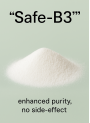
Safe-B3™ (Vitamin B3, Niacinamide)
GlucoBright™ (Acetyl Glucosamine)
Vitamin C (L-ascorbic acid) (Ultra-Fine)
Triethanolamine 99%
Disodium EDTA
Zinc PCA
Aloe Vera Gel (Lite)
Retinal (Retinaldehyde)
Glycine

Hyaluronic Acid Gel Base
Pep®-Mican (Acetyl Tetrapeptide-9)
Advanced Moisture Complex