Formulation Advice for Dry, Sensitive Skin with Actives
Question
I am formulating a skincare product for dry, sensitive skin, especially considering a history of steroid use. I have included various active ingredients.
I have specific questions about the formulation:
- Water Lock (Polyquaternium-51): I am concerned if using Water Lock will cause pilling or interfere with the application and setting of sunscreen or makeup. How does its performance compare to traditional humectants like glycols or glycerin?
- Beta Glucan vs. Ceramide: For sensitive, irritated, and dry skin, which ingredient, Beta Glucan or Ceramide, is more beneficial? I have experienced dryness potentially from Ceramide, so I am considering Beta Glucan as an alternative. How do their mechanisms for addressing dryness and irritation differ?
- Counteracting Niacinamide Dryness: I suspect that Vitamin B3 (Niacinamide) is causing dryness on my skin, which seems unusual as it's typically hydrating. I want to keep B3 in the formula for its benefits. How can I counteract this dryness while maintaining the efficacy of B3 and other actives like Argireline and DMAE? I have already added MOIST72. Would adding Double Hyaluron Liquid (10%) and Water Lock (2%) help mitigate the dryness? Are there any concerns about the combined effect of high concentrations of actives (B3, Argireline, DMAE) on sensitive skin, or potential issues with the pH range (3.5-6.5) for B3 stability or irritation?
Answer
Formulation Advice for Dry Skin
Thank you for sharing your formula and detailed observations. It's great that you've been experimenting and noting the effects on your skin, especially considering your history with steroids. Let's address your questions based on the properties of the ingredients and general formulation principles.
Water Lock
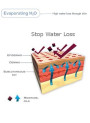
Water Lock (Polyquaternium-51) is designed to form a film on the skin's surface, similar in structure to skin's natural phospholipids. This film helps reduce transepidermal water loss (TEWL) and can also reduce irritation by providing a barrier. While it does create a coating, based on its properties and typical usage, it is unlikely to cause significant pilling (ball-up) or interfere with the application and setting of sunscreen or makeup when used at the recommended concentration (1-2%). Its primary function is surface hydration and barrier support, not creating a heavy or sticky layer that would disrupt subsequent product application.
Comparing Water Lock to humectants like glycols or glycerin, Water Lock's key difference is its cationic nature. This positive charge allows it to adhere more effectively to the negatively charged keratin in skin and hair, providing a more durable, longer-lasting film compared to simple humectants which can be easily washed away or transferred.
Beta Glucan vs. Ceramide
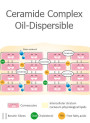
Both Beta Glucan and Ceramide are beneficial for sensitive and irritated skin, but they work differently. Ceramide is a natural lipid found in the skin barrier. Adding Ceramide Complex helps replenish these lipids, strengthening the skin's natural barrier function, reducing water loss, and increasing resistance to irritants and allergens. Beta Glucan, particularly from yeast, is known for its ability to activate the skin's immune system, reduce inflammation, and promote wound healing. It helps strengthen the skin's natural defenses and reduce allergic reactions and irritation.
For general skin barrier repair and reducing dryness/peeling, Ceramide is often considered more directly impactful as it replaces essential skin lipids. However, Beta Glucan is an excellent alternative or complementary ingredient for sensitive, easily irritated skin due to its anti-inflammatory and immune-boosting properties. If Ceramide causes dryness for your skin, Beta Glucan could be a suitable alternative to help soothe irritation and support skin health, though its primary mechanism for dryness relief is different from Ceramide's barrier repair.
Counteracting B3 Dryness
It is indeed unusual for Vitamin B3 (Niacinamide) to cause dryness, as its typical effects include improving the skin barrier, reducing TEWL, and increasing ceramide production, which should lead to improved hydration. However, individual skin reactions can vary, especially with a history of steroid use. If you've confirmed that B3 is causing dryness for you, reducing its concentration could be considered, although you wish to maintain efficacy.
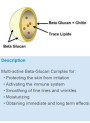
To counteract the dryness while keeping B3 in your formula, you can focus on increasing the overall moisturizing and barrier-supporting components. You've already added MOIST72, which is a good step. Adding Double Hyaluron Liquid (containing both standard and nano molecular weights) at 10% would provide significant hydration at different skin depths. Water Lock at 2% would further help by creating a surface film to prevent moisture loss.
Consider also incorporating emollients or occlusives that provide a more substantial barrier than humectants alone. Since you want to avoid ingredients that feel heavy or interfere with makeup, look for lighter emollients. However, given your significant dryness, a balanced approach with humectants (like Hyaluron, B5, MOIST72), barrier repair ingredients (like Ceramide, if you can find one that doesn't dry your skin, or Beta Glucan as an alternative), and a suitable emollient/film-former (like Water Lock) is crucial.
It's important to note that high concentrations of active ingredients, even beneficial ones like B3, Argireline, and DMAE, can sometimes contribute to irritation or dryness, especially on sensitive or compromised skin. The combined effect of multiple actives at high percentages might be overwhelming. Ensure the pH of your final formulation is within the optimal range for the ingredients (e.g., B3 is best between 4.0-7.0, Argireline 3.5-6.5, B5 3.5-7.0, DMAE below 40°C mixing temp). While the pH range of 3.5-6.5 seems suitable for Argireline and B5, it might be slightly low for optimal B3 stability and could potentially contribute to irritation if the pH is on the lower end.
Adding Double Hyaluron Liquid and Water Lock as you proposed are good strategies to boost hydration and reduce water loss, which should help mitigate the dryness you're experiencing.
Related Products Mentioned
Acetyl Hexapeptide-8 (eq Argireline)
Safe-B3™ (Vitamin B3, Niacinamide)
GlucoBright™ (Acetyl Glucosamine)
MOIST72™
WaterLock™ (Polyquaternium-51)
Double Hyaluron Liquid
DMAE (SkinTight MD™) Liquid