Formulation Advice for Essence with Multiple Actives and Anti-Aging Prevention
Question
I am developing an essence formula with many active ingredients and have two main questions:
Base Selection and Formulation: I have a list of active ingredients I want to include:
- Matrixyl 3000 5%
- Alpha Arbutin 2%
- Tranexamic Acid 3%
- VIT B3 4%
- Glucosamine 4%
- Soy Extract 5%
- Aloe Vera 3%
- Green Tea Extract 5%
- Centella Asiatica Extract 5%
- Calendura Extract 2%
I initially thought of adding these to a pre-made toner base. Is this feasible? Or is it better to use distilled water as the base?
If using distilled water, how can I achieve a light, fast-absorbing essence texture using a water-based thickener at 0.25%? Do I need a preservative? What percentage should I use?
Anti-Aging Ingredients for Prevention: I am 22 years old and want to use anti-aging ingredients for prevention. Which ingredients are suitable? I am considering Pep®-Coll, Matrixyl™ 3000, and Metabiotics Resveratrol. What are the benefits of each for prevention, and which one would be the best choice?
Answer
Formulation Feedback and Recommendations
Thank you for sharing your detailed formulation questions and the previous discussion. It's great that you are experimenting and seeking advice to refine your essence formula.
Feedback on Your Formulations
Using a Pre-made Toner Base: As was previously advised, adding a large number of active ingredients (almost 10) to a finished product like a toner base is generally not recommended. Pre-made products are formulated for stability and efficacy with their existing ingredients. Adding many new components can disrupt the balance, potentially leading to instability (separation, discoloration), reduced efficacy of the actives (due to incompatibility or incorrect pH), and undesirable textures (stickiness, tackiness). While adding one or two compatible ingredients might be feasible, incorporating such a high percentage and variety of actives is likely to result in a product that is neither stable nor pleasant to use.
Using Distilled Water as the Base: Using distilled water as your base provides much more flexibility to incorporate your desired active ingredients and control the final product's properties.
Texture: With 0.25% of a water-based thickener, the formula will likely be very liquid, similar to water. To achieve a slightly thicker, more essence-like texture that is still light and fast-absorbing, you will need to increase the concentration of the thickener. You can start by trying 0.5% and gradually increase it, testing the texture until you reach your desired viscosity. Keep in mind that some natural thickeners can feel slightly sticky at higher concentrations. If you want a very light, silky feel that absorbs quickly, incorporating a silicone like Cyclomethicone with an appropriate emulsifier such as Warp Cream Maker, as suggested in the conversation, is an effective approach for creating a water-in-silicone emulsion that provides a smooth, non-greasy finish.
Preservative: When using distilled water as the base, adding a preservative is absolutely essential to prevent microbial growth. Phenoxyethanol is a common and effective preservative. Using it at a concentration of 1% is a standard recommendation for many cosmetic formulas. Ensure you add it at the appropriate stage and temperature according to the supplier's instructions (typically below 80°C or 60°C depending on the specific type, like Phenoxyethanol SA). It is highly recommended to perform a challenge test on your final formula to confirm the preservative system is effective.
Ingredient Percentages: The percentages of active ingredients you listed (Matrixyl 3000 5%, Alpha Arbutin 2%, Tranexamic Acid 3%, Vitamin B3 4%, Glucosamine 4%, Soy Extract 5%, Aloe Vera 3%, Green Tea Extract 5%, Centella Asiatica Extract 5%, Calendula Extract 2%) are generally within the recommended usage rates for these ingredients. However, combining this many high-percentage extracts might still contribute to a slightly heavier or potentially sticky feel, especially the Soy Extract at 5%. You may need to experiment and potentially reduce the concentration of some extracts or select different grades (e.g., more concentrated extracts used at lower percentages) to optimize the texture while maintaining efficacy.
pH Considerations
Measuring and adjusting the pH is a crucial step when creating your own water-based formula. The pH affects:
- Ingredient Stability and Efficacy: Many active ingredients, including Alpha Arbutin, Vitamin B3, and Tranexamic Acid, are stable and most effective within specific pH ranges. For example, Alpha Arbutin should be in a formula with a pH between 3.5-6.5 (ideally not above 8). Vitamin B3 works best between pH 4.0-7.0. Tranexamic Acid is stable between pH 3-8. Ensuring your final pH is within the optimal range for your key actives is vital for your product to work as intended.
- Preservative Efficacy: Some preservatives are more effective at certain pH levels.
- Skin Compatibility: A final product pH that is too high or too low can irritate the skin. A slightly acidic pH (around 4.5-6.0) is generally considered skin-friendly.
You should measure the pH of your formula after adding all water-soluble ingredients and before adding pH-sensitive ingredients like certain thickeners or preservatives. Adjust the pH using a dilute acid (like Citric Acid solution) or base (like Sodium Hydroxide solution) as needed, then add the remaining ingredients.
Anti-Aging Prevention (Age 22)
For preventing wrinkles at age 22, focusing on skin health, hydration, and stimulating collagen production is beneficial. The ingredients you mentioned:
- Pep®-Coll (Palmitoyl tripeptide-5): This peptide is designed to stimulate collagen production and has research showing effectiveness in reducing wrinkles. It works by mimicking the skin's natural mechanisms to boost collagen synthesis.
- Matrixyl™ 3000 (Pal-GHK, Pal-GQPR): This peptide blend also stimulates collagen synthesis and helps improve skin elasticity. It is specifically noted as suitable for preventing and delaying wrinkles even if they haven't appeared yet.
- Metabiotics Resveratrol (Trans-Resveratrol): Resveratrol is a powerful antioxidant that also has anti-aging properties, including stimulating collagen production and protecting against UV damage and inflammation.
All three ingredients offer benefits for preventing signs of aging by supporting collagen and overall skin health. As suggested previously, if you are looking for an effective option for prevention and considering cost, starting with a well-researched peptide like Matrixyl 3000 or Pep®-Coll could be a good approach. Matrixyl 3000 is specifically mentioned as suitable for prevention. Metabiotics Resveratrol provides broader antioxidant protection which is also valuable for preventing age-related damage.
The best choice depends on your specific priorities (e.g., focusing purely on collagen stimulation vs. broader antioxidant benefits) and budget. You could also consider combining them or alternating their use in different products.
In summary, while your initial idea of adding actives to a finished base is not recommended, creating a formula from scratch with distilled water allows for better control. Pay close attention to thickener concentration for desired texture, ensure adequate preservation, and always measure and adjust pH for stability, efficacy, and skin compatibility. For anti-aging prevention, peptides like Matrixyl 3000 or Pep®-Coll and antioxidants like Metabiotics Resveratrol are good options to consider.
Related Products Mentioned
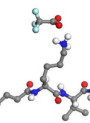
Pep®-Coll (Palmitoyl tripeptide-5)
Pal-GHK, Pal-GQPR (eq Matrixyl 3000)
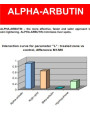
Alpha Arbutin (Switzerland)
Safe-B3™ (Vitamin B3, Niacinamide)
GlucoBright™ (Acetyl Glucosamine)

Calendula Extract (Water Soluble)
Phenoxyethanol (Extra Pure)
Warp Cream Maker™ (e.q. Nikkomulese wo)
Hi-EGCG™ (Green Tea Extract)

ThixoGel™ (Thixotropic Gel Maker)

Tranexamic Acid (Trans-White™)