Formulation Advice for Gentle Sunscreen (Spreadability) and Foundation (Color Selection)
Question
I would like to inquire about ingredients for sunscreen formulations and colors for foundation formulations.
I am interested in developing sunscreen and foundation formulas in various shades, focusing on gentle ingredients, without alcohol, silicone, or ingredients that cause acne and clogged pores.
Currently, I have developed a sunscreen formula using Tris-Biphenyl Triazine as the sunscreen agent, included at 10% in the formula. However, when applied to the skin, it is slightly difficult to spread and not very smooth. What ingredients can I use to adjust this?
I also plan to develop foundation in various shades. I have looked on the website but cannot decide which colors or types of color to use. Could you please advise on the colors to use for developing foundation formulas?
Thank you.
Answer
Recommendations for Sunscreen and Foundation Formulation
Thank you for your inquiry regarding the development of sunscreen and foundation formulas, focusing on gentle, alcohol-free, silicone-free, and non-comedogenic ingredients.
Improving Sunscreen Spreadability
It is common for formulas with a high percentage of powder sunscreens like Tris-Biphenyl Triazine to feel less smooth or spreadable. To improve the texture and spreadability of your sunscreen formula without using silicones, you can incorporate emollients that provide a smooth feel and help disperse the powder. Based on your requirements for gentle and non-comedogenic ingredients, we recommend the following emollients:
- LipidSoft™ Moist (Triethylhexanoin): This emollient is known for its excellent spreadability and light feel. It is oil-free and does not clog pores, making it suitable for normal to oily skin types.
- LipidSoft™ B (Dibutyl adipate): Commonly used in sunscreens, LipidSoft™ B helps dissolve sunscreen agents and improves spreadability. It dries quickly, provides a smooth, light touch, and is non-comedogenic.
- Ethylhexyl cocoate: This ester offers a light, non-greasy, and easily spreadable texture. It provides a smooth, silky feel and is generally considered non-comedogenic.
You can experiment with different percentages of these emollients in your formula to achieve the desired texture and spreadability.
Selecting Colors for Foundation
For developing foundation in various shades, the primary pigments used are:
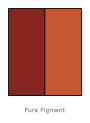
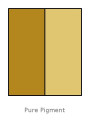
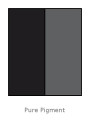
- Iron Oxides: These come in Red, Yellow, and Black and are the main pigments for creating skin tones.
- Titanium Dioxide: This white pigment is used to lighten shades and provide coverage.
By mixing Iron Oxides (Red, Yellow, Black) and Titanium Dioxide in different ratios, you can create a wide range of foundation shades to match various skin tones. To ensure good dispersion of these pigments in your silicone-free formula, consider using pigments that are specially treated or are in a readily dispersible form. Options include:
- Coated Pigments: Pigments coated with substances like Triethoxycaprylylsilane can offer improved dispersion and feel compared to non-coated versions.
- FoundationPro™ Pigments: These pigments are designed for easy incorporation into foundation formulas.
- Non-Coated Pigments: While potentially requiring more effort to disperse evenly, non-coated pigments are also an option.
Experimenting with different combinations and concentrations of these pigments is key to developing your desired range of foundation shades.
Related Products Mentioned

LipidSoft™ Palm (Ethylhexyl palmitate)
LipidSoft™ Moist (Triethylhexanoin)
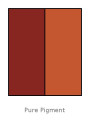
Iron Oxides Red (non-coated)
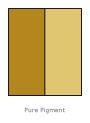
Iron Oxides Yellow (non-coated)
Iron Oxides Black (non-coated)

Squalane Oil Gel (Thixotropic)
C12-15 alkyl benzoate Gel (Flowable)
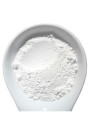
Titanium Dioxide FoundationPro™
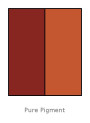
Iron Oxides Red (FoundationPro™)
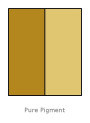
Iron Oxides Yellow (FoundationPro™)
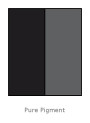
Iron Oxides Black (FoundationPro™)
LipidSoft™ B (Dibutyl adipate)
C13-15 Alkane Gel