Formulation Advice for Lightweight Serum with Multiple Actives
Question
I have the following ingredients:
- Encapsulated Salicylic Acid (Powder, Timed-Release)
- Ceramide Complex (CeraTouch™, Powder)
- Cholesterol
- LipidSoft™ F (Ethyl Linoleate)
- Activated Resorcinol™
- Disodium EDTA
- Bakuchiol (Natural Retinol)
- Dimethyl Isosorbide (DMI)
- Madecassoside-80 (Centella Asiatica Extract)
- Natural Bisabolol
- Ume Extract (Anti-Glycation)
- 4MSK (Potassium Methoxysalicylate)
- Protec™ UV (Benzotriazolyl Dodecyl p-Cresol)
- Salmon Roe Extract
- Silicone Gel (Ultra Clear)
- Silky Serum Base Plus (Face/Eye, Oil)
- Nano Silver Solution (500ppm)
- สารสกัดนมผึ้ง 10-Hydroxydecanoic Acid (95% Purity)
- Butylene Glycol
- BioSulphur™ EQ กำมะถัน ไบโอเทค
Are all these ingredients compatible? Are there any potential issues in the formula? I want a formula with a lightweight texture that absorbs quickly, is not sticky or greasy, does not clog pores, and leaves no oiliness on the face after application. What ingredients should I add or reduce in this formula to achieve the desired texture?
Answer
Formulation Advice for Your Lightweight Serum
You have a comprehensive list of ingredients aimed at addressing various skin concerns like acne, oiliness, aging, and uneven skin tone, while also providing barrier support. Creating a single, lightweight, non-greasy, and non-comedogenic formula with these ingredients is possible, but requires careful consideration of compatibility and formulation techniques.
Ingredient Compatibility and Potential Issues
Most of the ingredients you listed can be incorporated into a cosmetic formula, but there are some key compatibility points and challenges:
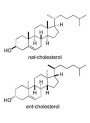
- Cholesterol: The primary challenge is the Cholesterol powder, which requires heating above 150°C to dissolve in oil. This high temperature is incompatible with many of your other heat-sensitive active ingredients (like Salmon Roe Extract, Bakuchiol, 10-Hydroxydecanoic Acid, 4MSK, Madecassoside, and Activated Resorcinol) and the Silky Serum Base Plus (sensitive above 30°C). Incorporating Cholesterol would likely require dissolving it separately at high heat in a compatible oil and then carefully integrating this mixture into the main formula at a much lower temperature, which adds significant complexity. Consider if a pre-solubilized form of Cholesterol is available or if you can achieve your skin barrier goals with Ceramide Complex and LipidSoft F alone in a lightweight formula.
- Heat Sensitivity: Several ingredients are sensitive to heat and must be added during the cooling phase or at room temperature:
- Salmon Roe Extract: Max 40°C
- 4MSK: Avoid heat above 60°C
- 10-Hydroxydecanoic Acid: Max 70°C
- Pure-Bakuchiol: Avoid heat, max 75°C if necessary for short periods
- LipidSoft F: Max 80°C for no more than 15 minutes
- Dimethyl Isosorbide: Max 80°C
- Activated Resorcinol: Avoid heat
- Madecassoside: Do not expose to heat
- Silky Serum Base Plus: Sensitive above 30°C
- pH Requirements: Many active ingredients have optimal pH ranges for efficacy and stability. Activated Resorcinol (4.5-5.5), 10-Hydroxydecanoic Acid (4-5.5), Madecassoside (4-6.5), and Pure-Bakuchiol (ideally 3.5-6.5) all perform well in the pH range of 4.5-5.5. Disodium EDTA (3-9) and Natural Bisabolol (3-11) are stable within this range. Aiming for a final pH between 4.5 and 5.5 would be beneficial for the efficacy and stability of multiple actives.
- Solubility: Ensure ingredients are properly dissolved or dispersed according to their type (water-soluble, oil-soluble, dispersible). Dimethyl Isosorbide and Butylene Glycol are excellent solvents for many ingredients and can help with incorporation.
- Electrolytes: 4MSK is an electrolyte and may cause some gel or cream formulas to thin. This needs to be managed during formulation, potentially by adjusting thickeners or emulsifiers.
- Metal Ions: Pure-Bakuchiol is sensitive to metal ions. Including Disodium EDTA (0.1-0.2%) is crucial for chelating metal ions and maintaining Bakuchiol's stability. Disodium EDTA should be added to the water phase early in the process.
- Light Sensitivity: Activated Resorcinol and Pure-Bakuchiol are light sensitive. If your final product packaging is clear, you must include Protec UV (0.1%) to protect the formula from degradation. Opaque packaging is also recommended.
- BioSulphur EQ: This ingredient is incompatible with all types of Vitamin C (Ascorbic Acid). Ensure Vitamin C is not added to this formulation.
- Precipitation: Salmon Roe Extract and Silky Serum Base Plus can precipitate if the formula is too thin or not mixed correctly. Ensure the formula has sufficient viscosity and follow the mixing instructions for the Silky Serum Base Plus (add water phase gradually to the oil/base phase while stirring/blending, consider using Magnesium Sulfate).
Achieving a Lightweight, Non-Greasy Texture
To create the desired lightweight, fast-absorbing, non-greasy, non-comedogenic texture, consider the following:
- Base Selection: The Silky Serum Base Plus is a good choice for a lightweight serum texture that absorbs quickly and provides a smooth feel. Follow its recommended usage and mixing method, particularly the gradual addition of the water phase to the oil/base phase.
- Oil Phase Management: Keep the total percentage of oil-soluble ingredients and oils relatively low, ideally within the capacity of the Silky Serum Base Plus (up to 30% total oil/silicone, with at least 60-70% water). LipidSoft F is a lightweight emollient that can contribute to a non-greasy feel.
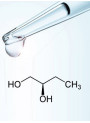
- Solvents and Carriers: Utilize Butylene Glycol and Dimethyl Isosorbide. They help dissolve active ingredients and enhance skin penetration without adding significant weight or greasiness to the formula.
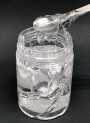
- Texture Enhancers: Silicone Gel (Ultra Clear) can significantly improve the spreadability and provide a soft, silky, non-sticky feel, contributing to the desired texture.
- Ingredient Concentration: Use active ingredients at effective but not excessively high concentrations, as high levels of some ingredients can impact texture.
Formulation Recommendations
- Address Cholesterol: Decide whether to include Cholesterol. If so, you must dissolve it separately at high heat in a compatible oil before carefully incorporating it into the main formula at a much lower temperature. Given the complexity and heat sensitivity of other ingredients, omitting Cholesterol might be simpler for a lightweight serum.
- Establish the Base: Start with the Silky Serum Base Plus and the water phase (containing water-soluble ingredients like Disodium EDTA, 4MSK, Butylene Glycol, and ActiveRelease Salicylic Acid).
- Prepare Oil Phase: Combine oil-soluble ingredients like LipidSoft F, Activated Resorcinol, Pure-Bakuchiol, 10-Hydroxydecanoic Acid, Natural Bisabolol, and Protec UV (if using clear packaging) with the oil component of the Silky Serum Base Plus. Gently warm if necessary (below the lowest heat tolerance of the ingredients, ideally room temperature or slightly above) to help dissolve, but avoid prolonged or high heat.
- Combine Phases: Gradually add the water phase to the oil/base phase while continuously stirring or blending, following the specific instructions for Silky Serum Base Plus. Incorporate Magnesium Sulfate as recommended for stability.
- Add Heat-Sensitive Actives: Once the emulsion is formed and cooled below 40°C, add the most heat-sensitive ingredients: Salmon Roe Extract and Madecassoside. Ensure they are properly dispersed or dissolved according to their instructions.
- Adjust pH: Check and adjust the final pH to the target range of 4.5-5.5.
- Add BioSulphur EQ: Add BioSulphur EQ according to its instructions.
- Final Adjustments: Ensure all ingredients are fully incorporated and the texture is as desired.
Ingredients Not Found in Search
The search did not return specific product information for Nano Silver Solution and Ume Extract from your list. If you plan to include these, please check their specific compatibility, usage rate, mixing instructions, and any pH or temperature sensitivities to ensure they are compatible with the other ingredients and the desired formula characteristics.
By carefully considering the compatibility and properties of each ingredient, particularly the heat sensitivity and solubility, and by following appropriate formulation techniques, you can create a lightweight, non-greasy serum with the beneficial actives you've selected.
Related Products Mentioned

Natural Bisabolol (Brazil Chamomile)
Disodium EDTA
Silicone Gel (Ultra Clear, Super Silky)
Butylene Glycol
Cholesterol (95%, NF, Fine Powder)

Silky Serum Base Plus (Face/Eye, Oil)


LipidSoft™ F (Ethyl Linoleate)
4MSK (Potassium Methoxysalicylate)
BioSulphur™ EQ (Water Soluble Sulfur)
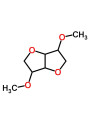
Dimethyl Isosorbide (DMI)