Formulation Advice for Liquid Toothpaste and Mouth Spray
Question
Please provide advice on the following formulas:
Liquid Toothpaste Formula:
AminoWash™ 10%
Propylene Glycol 5%
Poloxamer 407 1%
Mild Preserved Eco 1%
DeoMax™ Liquid 1%
Four-EO 0.3%
Zinc Citrate 0.3%
Cetylpyridinium chloride 0.01%
Water to 100%
Mixing procedure: Mix Poloxamer 407 and Four-EO together, then add water and the remaining ingredients.
Mouth Spray Formula:
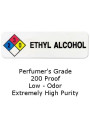
Ethyl Alcohol (99.9%) 20%
Propylene Glycol 5%
Poloxamer 407 1%
DeoMax™ Liquid 1%
Four-EO 0.3%
Zinc Citrate 0.2%
Cetylpyridinium chloride 0.01%
Water to 100%
Mixing procedure: Mix Poloxamer 407 and Four-EO together, then add water and the remaining ingredients.
Answer
Formulation Advice for Liquid Toothpaste and Mouth Spray
Thank you for sharing your liquid toothpaste and mouth spray formulations. Here is some advice regarding the ingredients and their roles in your formulas:
Liquid Toothpaste Formula
- AminoWash™ (Sodium Lauroyl Glutamate): This is a gentle, amino acid-derived surfactant that provides cleansing and foaming properties. Using it at 10% is within the typical range for cleansers, providing effective cleaning for the toothpaste.
- Propylene Glycol: Acts as a solvent and humectant, helping to dissolve ingredients and retain moisture in the formula.
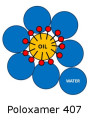
- Poloxamer 407: Functions as an emulsifier and helps to solubilize ingredients like essential oils (Four-EO™) in the water base.
- Mild Preserved Eco™: Provides preservation for the formula, helping to prevent microbial growth.
- DeoMax™ Liquid: An effective deodorizer derived from fruit tannin, specifically targeting compounds that cause bad breath. Its inclusion at 1% is within the recommended usage range for oral products.
- Four-EO™: A blend of essential oil extracts (Thymol, Eucalyptol, Menthol, Menthyl Salicylate) that provides freshness, flavor, and helps control oral bacteria. The concentration of 0.3% is within the recommended range.
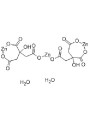
- Zinc Citrate: Helps reduce plaque and bacteria and combats bad breath by neutralizing odor-causing compounds. The concentration of 0.3% is suitable for oral care products.
- Cetylpyridinium chloride (CPC): This is an antibacterial agent. However, the concentration used (0.01%) is below the typical effective range (0.025-0.1%) for its primary bactericidal action in oral care products. While it might offer some minimal benefit or act as a co-preservative, its main antibacterial effect might be limited at this level.
- Water: The base of the liquid formulation.
The mixing instructions to combine Poloxamer 407 and Four-EO™ before adding water and other ingredients are appropriate, as Poloxamer 407 aids in dispersing the essential oils in the water phase.
Mouth Spray Formula
- Ethyl Alcohol (99.9%): Acts as a solvent for other ingredients and provides a refreshing sensation. The 20% concentration is common for mouth spray formulations.
- Propylene Glycol: Similar to the toothpaste, it functions as a solvent and humectant.
- Poloxamer 407: Helps to solubilize the Four-EO™ in the water/alcohol base.
- DeoMax™ Liquid: Provides effective bad breath control, used at the recommended 1% concentration.
- Four-EO™: Delivers freshness, flavor, and antibacterial properties from essential oils at a suitable concentration (0.3%).
- Zinc Citrate: Contributes to bad breath control and helps reduce bacteria. The 0.2% concentration is within the recommended range for sprays.
- Cetylpyridinium chloride (CPC): As in the toothpaste, the concentration of 0.01% is lower than the typical effective range for its primary antibacterial function in oral products.
- Water: The base of the spray formulation.
The mixing instructions are logical for incorporating the ingredients.
General Considerations
Both formulations utilize ingredients known for their benefits in oral hygiene, particularly for addressing bad breath and maintaining freshness. The inclusion of DeoMax™ Liquid, Four-EO™, and Zinc Citrate directly targets odor-causing compounds and bacteria.
If a stronger antibacterial effect from Cetylpyridinium chloride is desired, you might consider increasing its concentration, keeping in mind the recommended usage rates (typically 0.025-0.1% for oral products) and potential taste impact at higher levels. Always adhere to regulatory guidelines for ingredient usage rates.
For the liquid toothpaste, while AminoWash™ is a gentle cleanser, exploring surfactants specifically designed for oral care could also be an option depending on the desired foaming and cleaning performance profile.
Overall, these appear to be well-structured formulas for their intended purposes, with a strong focus on combating bad breath and providing freshness.
Related Products Mentioned
Propylene Glycol (USP)
Mild Preserved Eco™ (Preservative-Free)
Zinc Citrate

Four-EO™
Cetylpyridinium chloride (CPC)