Formulation Advice for Lotion: Oily, Dehydrated Skin, Aging, Scars, and Post-Ematrix Care
Question
I am developing a lotion formulation using 120g of Aloe Vera Gel Base. I plan to add 5g each of the following ingredients:
- Resveratrol
- Matrixyl™ 3000
- Pep®-Coll
- Tego® Pep 4-17
- Apple Stem Cell Extract
- Vitamin B3
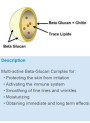
- Beta Glucan
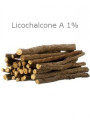
- Licorice Extract
- Centella Asiatica
- Pepha®-Tight
I also want to add Squalane. My skin type is oily and dehydrated, with concerns about wrinkles, acne scars, and generally aging skin. I also plan to use this product after undergoing an e-matrix procedure.
I have several questions:
- With this list and quantities, will the texture be too sticky or heavy for oily skin?
- Will combining all these ingredients at these quantities cause stability issues?
- Is it better to split this formulation into two separate bottles (e.g., one for morning, one for evening)?
- Can Squalane be added to an Aloe Vera gel base, and is it suitable for oily skin?
- Is this formulation suitable for use after an e-matrix procedure, and are there any specific considerations for post-procedure application?
Answer
Formulation Advice for Oily, Dehydrated Skin with Aging and Scarring Concerns
Thank you for reaching out with your detailed formulation plan. It's great that you are focusing on ingredients to support collagen production and address your specific skin concerns (oily, dehydrated, wrinkles, acne, and scarring).
Let's review your proposed formulation and address your questions:
Formulation Complexity and Ingredient Concentrations
Your list includes many excellent active ingredients targeting various concerns. However, adding 5g of multiple ingredients to a 120g base will result in very high concentrations (e.g., 5g in a total of ~125g is 4%, so adding 10 ingredients at 5g each to 120g base results in a total active load of 50g in 170g, which is nearly 30% actives, and some ingredients were proposed at even higher percentages relative to the base). This high total concentration can potentially lead to issues with:
- Texture: The lotion might become sticky, heavy, or difficult to spread, which is not ideal for oily skin.
- Stability: High concentrations and multiple actives can sometimes affect the stability and shelf-life of the product.
- Skin Sensitivity: Using too many actives at high concentrations simultaneously can increase the risk of irritation, especially for skin prone to acne or recently treated with procedures like e-matrix.
It is generally recommended to follow the suggested usage rates for each ingredient, which are typically provided as a percentage of the total formulation weight. A total active load of 10-20% is more common for a serum or lotion.
Ingredient Selection and Adjustments
Based on your skin type and the staff's previous advice:
- Resveratrol: As the staff mentioned, Resveratrol can sometimes feel sticky or heavy on the skin. For oily skin, it's advisable to omit it or use a very low concentration if you choose to include it in a separate, lighter formulation.
- Pepha®-Tight: The staff's recommendation to start with 1% is appropriate. Using 4-5% might cause a strong tightening sensation that could feel uncomfortable.
- Other Actives: Matrixyl™ 3000, Pep®-Coll, Tego® Pep 4-17, Apple Stem Cell Extract, Vitamin B3, Beta Glucan, Licorice Extract, and Centella Asiatica are all beneficial ingredients for your concerns (collagen support, hydration, soothing, anti-inflammatory, anti-acne, scar improvement). They are generally compatible in a water-based system like an Aloe Vera gel base. However, ensure the total concentration of all actives combined remains at a level that provides a pleasant texture for oily skin.
Should You Split into Two Bottles?
Splitting the formulation into two might be a good idea if you want to target specific concerns more intensely or if the combined formulation proves too heavy or unstable. For example:
- Bottle 1 (Morning): Focus on hydration, oil control, and protection (e.g., Aloe Vera base, Vitamin B3, Beta Glucan, Licorice, Centella).
- Bottle 2 (Evening): Focus on collagen stimulation and repair (e.g., Aloe Vera base, Peptides like Matrixyl 3000, Pep-Coll, Tego Pep 4-17, Apple Stem Cell Extract, Beta Glucan, Centella).
Alternatively, you can create one combined lotion, but you will need to carefully adjust the percentages of each active to ensure a suitable texture for oily skin and maintain stability. It's crucial to calculate the percentages based on the total weight of your final product, not just adding grams to the base.
Squalane Inclusion
As the staff correctly pointed out, Squalane is an oil. Adding it to a water-based Aloe Vera gel will require an emulsifier to create a stable lotion or cream. For oily skin, incorporating oil like Squalane might make the product feel too heavy or greasy. If you wish to use Squalane, it would be better suited for a cream formulation or a separate oil-based product used sparingly.
Use After E-Matrix Treatment
The ingredients you've chosen, particularly Beta Glucan, Centella Asiatica, Vitamin B3, and peptides, have soothing, hydrating, and skin-repairing properties that can be beneficial after a procedure like e-matrix. However, skin is very sensitive post-treatment. It is crucial to:
- Wait for the initial healing phase: Ensure the skin is no longer raw, irritated, or peeling before applying active ingredients.
- Start with a simple, soothing formula: Immediately after e-matrix, focus on hydration and soothing ingredients. Avoid multiple actives or high concentrations.
- Gradually introduce your formulated lotion: Once your skin has recovered significantly, you can gradually introduce your lotion, perhaps starting with a small amount on a test area to see how your skin reacts.
- Consider lower concentrations: A lower concentration of actives might be better tolerated on post-procedure skin.
In summary, while your ingredient selection is good for targeting your concerns, the proposed quantities are likely too high for a single lightweight lotion suitable for oily skin. Consider reducing the concentrations of each active based on recommended usage rates (as a percentage of the total formula) and potentially splitting the formulation or omitting ingredients like Resveratrol and Squalane to optimize the texture for oily skin. Always introduce new formulations cautiously, especially after skin treatments.
Related Products Mentioned
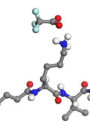
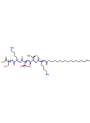
Pep®-Coll (Palmitoyl tripeptide-5)
Pal-GHK, Pal-GQPR (eq Matrixyl 3000)
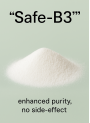
Safe-B3™ (Vitamin B3, Niacinamide)