Formulation Advice for Skin Brightening and Anti-Aging Gel: pH Compatibility
Question
I am trying to formulate a skin brightening and anti-aging gel with the following ingredients:
- Delentigo (1%)
- Nanowhite (2%)
- Vitamin B3
- N-Acetyl Glucosamine
- Syn®-Coll (2%)
- Allantoin (0.5%)
- Hyaluronic Acid (Standard Molecule) (1%)
- Disodium EDTA (0.1%)
- Phenoxyethanol (1%)
- Water (balance)
I want to add Lactic Acid (or Glycolic Acid) to the formula for exfoliation.
- Will adding Lactic Acid (or Glycolic Acid) cause any compatibility issues with the other ingredients, particularly Delentigo and Nanowhite, regarding pH?
- If the pH needs to be adjusted upwards after adding Lactic Acid, can I use Citric Acid?
- Is the concentration of Hyaluronic Acid (Standard Molecule) at 1% appropriate, and is dissolving it in water, shaking, and refrigerating the correct mixing method?
Answer
Formulation Advice for Skin Brightening and Anti-Aging Gel
Thank you for sharing your revised gel formula and questions. It's great that you are carefully considering the compatibility of your ingredients, especially regarding pH levels. Let's address your points based on the information available.
Your revised formula includes several excellent ingredients for addressing dullness, dark spots, and wrinkles:
- Delentigo and Nanowhite: These are aimed at reducing dark spots and brightening the skin. Based on your information, they are stable and effective within a pH range of 4-7.
- Vitamin B3 (Niacinamide): Known for multiple benefits, including reducing hyperpigmentation, strengthening the skin barrier, reducing wrinkles, and controlling oil. It works best in the pH range of 4.0-7.0.
- N-Acetyl Glucosamine: Works synergistically with Vitamin B3 for skin brightening and also helps with gentle exfoliation and hydration.
- Syn®-Coll (Palmitoyl tripeptide-5): A peptide that helps stimulate collagen production to reduce wrinkles.
- Allantoin: Provides soothing and anti-irritant properties, supporting skin healing.
- Hyaluronic Acid (Standard Molecule): A humectant that provides hydration to the skin surface and helps create the gel texture.
- Disodium EDTA: A chelating agent to improve formula stability.
- Phenoxyethanol: A preservative to prevent microbial growth.
pH Compatibility Issue
Your primary concern about the pH is very important and correct. While Lactic Acid (or Glycolic Acid) is effective for exfoliation at a low pH (ideally below 4.0, and legally not below 3.5 for consumer products), this low pH conflicts directly with the optimal pH range (4-7) required for Delentigo and Nanowhite to maintain their full efficacy and stability. If you adjust the pH to 3.5 for the Lactic Acid to work effectively as an exfoliant, you risk significantly reducing the benefits of your brightening ingredients, Delentigo and Nanowhite.
pH Adjustment
You were right to question using Citric Acid to adjust the pH upwards. Citric Acid is an acid and would lower the pH even further. To increase the pH of a formula, you would typically use a base like Triethanolamine. However, as discussed, the challenge isn't just how to adjust the pH, but what the target pH should be to ensure all active ingredients are effective.
Lactic Acid vs. Glycolic Acid
Substituting Lactic Acid with Glycolic Acid would present the same pH challenge. Both are AHAs that require a low pH for optimal exfoliation, which would still conflict with the stability requirements of Delentigo and Nanowhite.
Recommendation
Given that you are new to formulating and the complexity of balancing the pH for conflicting ingredients, the strongest recommendation is to omit the Lactic Acid (and therefore the Citric Acid) from your formula. The other ingredients you have chosen are excellent for addressing your skin concerns (brightening, dark spots, wrinkles, hydration, soothing) and are compatible with a neutral or slightly acidic pH, which your formula would naturally have without the added acid (likely in the 6-7 range). This pH range is also suitable for the skin and within the optimal range for Vitamin B3, N-Acetyl Glucosamine, Delentigo, Nanowhite, Syn®-Coll, Allantoin, Disodium EDTA, and Phenoxyethanol.
Removing the Lactic Acid simplifies the formulation process significantly and ensures that all the beneficial ingredients you included can work effectively without being compromised by an unsuitable pH environment.
Hyaluronic Acid Concentration
Regarding the Hyaluronic Acid (Standard Molecule) at 1%, as noted previously, this concentration might result in a sticky texture, especially if your skin is not very dry. You might consider reducing the concentration to 0.5% or even 0.3% if stickiness is a concern. The mixing method you described for Hyaluronic Acid (dissolving in water, shaking, and refrigerating) is correct for this type of powder.
Revised Mixing Method (without Lactic Acid)
If you choose to omit the Lactic Acid, your mixing method would be simpler:
- Combine water and Disodium EDTA. Mix until dissolved.
- Add Vitamin B3 and N-Acetyl Glucosamine to the water phase. Mix until dissolved.
- Add Delentigo, Nanowhite, Syn®-Coll, and Allantoin. Mix until fully dispersed/dissolved.
- Add Hyaluronic Acid (Standard Molecule) powder to the mixture. Shake vigorously to disperse, then refrigerate for a few hours (or until fully hydrated and gelled). Alternatively, use a blender to incorporate the Hyaluronic Acid powder gradually into the water phase while blending at high speed.
- Once the gel has formed and is smooth, add Phenoxyethanol and mix well.
This simplified formula, without the Lactic Acid, still provides potent ingredients for brightening, reducing dark spots, anti-aging, and hydration, while being much easier to formulate with compatible pH levels.
I hope this detailed explanation helps you refine your gel formulation!
Related Products Mentioned
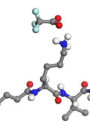
Pep®-Coll (Palmitoyl tripeptide-5)
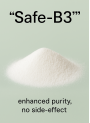
Safe-B3™ (Vitamin B3, Niacinamide)

Allantoin
GlucoBright™ (Acetyl Glucosamine)
Triethanolamine 99%
Phenoxyethanol (Extra Pure)
Disodium EDTA
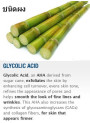
Glycopure™ (Glycolic Acid (AHA) Powder)
Lactic Acid (AHA) 90%