Formulation Advice for Whitening, Melasma, Dry Skin, and Irritation
Question
Based on the provided information, I have a few questions and would like some advice regarding whitening formulations:
- Is ODA-White discontinued? If so, why? I still have this ingredient and am concerned about continuing to use it since it's no longer on the website.
- Which whitening ingredients are suitable for individuals with dry skin, melasma, and dullness? I plan to create a formula for others to try.
- I have tested two formulas on two individuals:
- Individual A (fair skin, dullness): Used two formulas morning and evening, followed by moisturizer, combined with exfoliation using 10% AHA and a 15% Vitamin C mask twice a week. After 1 month, dullness slightly reduced, but the skin did not become as fair as her arm (which has a naturally fair complexion like people from Northern Thailand). The result was not as significant as expected.
- Individual B (darker skin, melasma, dullness): Used the same routine as Individual A. Overall skin became fairer, but the melasma did not respond as well as with the first formula tested previously. Crucially, this individual experienced skin irritation within 10 days, including redness, stinging upon application, and clear bumps on the face. The second formula used for Individual B contained ingredients such as 4MSK, Ethyl Ascorbic Acid, Tranexamic Acid, Ferulic Acid, and Ethoxydiglycol.
Could you please provide advice for both skin types/situations, addressing the observed results and the irritation issue?
Answer
Formulation Advice for Whitening and Skin Concerns
Here is some advice regarding your questions and experiences with the whitening formulations:
ODA-White Availability
Regarding ODA-White, the product is still available for purchase until the current stock is depleted. However, it is no longer being offered to new users. You can continue to use the stock you currently possess.
Whitening Ingredients for Dry Skin, Melasma, and Dullness
For individuals with dry skin, melasma, and dullness, many whitening ingredients can be effective. The key is to ensure the skin is adequately hydrated and healthy, as dry skin may not absorb ingredients efficiently. Suitable ingredients include:
- Tranexamic Acid
- Alpha Arbutin
- Kojic Acid Dipalmitate
- Vitamin B3 (Niacinamide)
- Acetyl Glucosamine
- 4MSK (Potassium Methoxysalicylate)
- Ethyl Ascorbic Acid
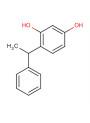
- Phenylethyl Resorcinol (SymWhite 377)
Focus on incorporating hydrating ingredients into the overall routine and ensuring the skin barrier is healthy to maximize the effectiveness of the whitening agents.
Feedback on Formulations for Individuals A and B
It is common for individuals to respond differently to skincare formulations due to variations in skin type, underlying conditions, and individual skin biology. The timeframe for visible results can also vary.
For Individual A (fair skin, dullness): Achieving significant brightening on skin that is already relatively fair (like Northern Thai skin) often takes longer than addressing hyperpigmentation like melasma on darker skin tones (like Northeastern Thai skin). The initial formulas you used contain a good combination of active ingredients targeting different pathways involved in pigmentation. Continuing a consistent routine with these or similar effective ingredients, along with proper hydration and sun protection, is recommended. The staff advises against excessive exfoliation, such as using 10% AHA and 15% Vitamin C mask twice a week concurrently with potent whitening serums, as this can potentially irritate the skin without necessarily accelerating brightening results on this skin type.
For Individual B (darker skin, melasma, irritation): It is positive that the initial formulas showed good results for melasma reduction on Individual B's skin. However, the irritation experienced with the second formula (redness, stinging, clear bumps) indicates that the current regimen is too aggressive. Using multiple potent active ingredients (such as 4MSK, Ethyl Ascorbic Acid, Tranexamic Acid, Ferulic Acid) in combination with a penetration enhancer (Ethoxydiglycol) and also performing frequent exfoliation (10% AHA and 15% Vitamin C mask) is likely overwhelming the skin barrier, leading to sensitivity and irritation. The staff strongly recommends stopping the use of the irritating formula immediately and reducing the frequency or strength of exfoliating treatments.
Recommendations for Both Individuals
- Simplify the Routine: Reduce the number of active ingredients and products used simultaneously, especially if irritation occurs. Focus on a few well-chosen actives at appropriate concentrations.
- Prioritize Skin Barrier Health: Ensure the skin is well-hydrated and the barrier is intact. This is crucial for both efficacy and preventing irritation, particularly for dry skin or skin prone to sensitivity.
- Be Patient: Whitening and addressing dullness takes time. Consistent use of a suitable, gentle routine over several months is often necessary to see significant results.
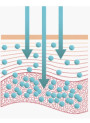
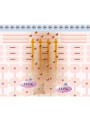
- Consider Reservoir-Tech: As suggested by the staff, incorporating Reservoir-Tech into formulations containing water-soluble active ingredients (like Vitamin B3, Acetyl Glucosamine, Tranexamic Acid, 4MSK, and AHAs) can help the ingredients penetrate the skin more gradually. This can potentially reduce irritation, especially with potent actives or exfoliating agents, while allowing the ingredients to work effectively over a longer period.
- Sun Protection is Essential: Consistent daily use of broad-spectrum sunscreen is non-negotiable when using whitening ingredients to prevent further pigmentation and protect the skin.
For Individual B, allow the skin to fully recover from the irritation before introducing any new treatments. Start with a very simple, hydrating routine and gradually reintroduce well-tolerated whitening ingredients at lower concentrations if desired, always monitoring for signs of sensitivity.
Related Products Mentioned
Vitamin E (Tocopheryl Acetate)
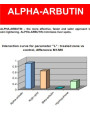
Alpha Arbutin (Switzerland)
Safe-B3™ (Vitamin B3, Niacinamide)
GlucoBright™ (Acetyl Glucosamine)
Pure-Ferulic Acid™
Vitamin C (L-ascorbic acid) (Fine)
Ethoxydiglycol (e.q. Transcutol)
Glycerin (USP/Food Grade)
Kojic Acid Dipalmitate
Disodium EDTA
Pro Polymer™ (Gel Maker)
Butylene Glycol
MSH White™ (Undecylenoyl phenylalanine)
Mild Preserved Eco™ (Preservative-Free)
Ume Extract (Anti-Glycation)
Tranexamic Acid (Trans-White™)
4MSK (Potassium Methoxysalicylate)